Garage Doors in Brampton, OntarioYou will knowbefore we start.
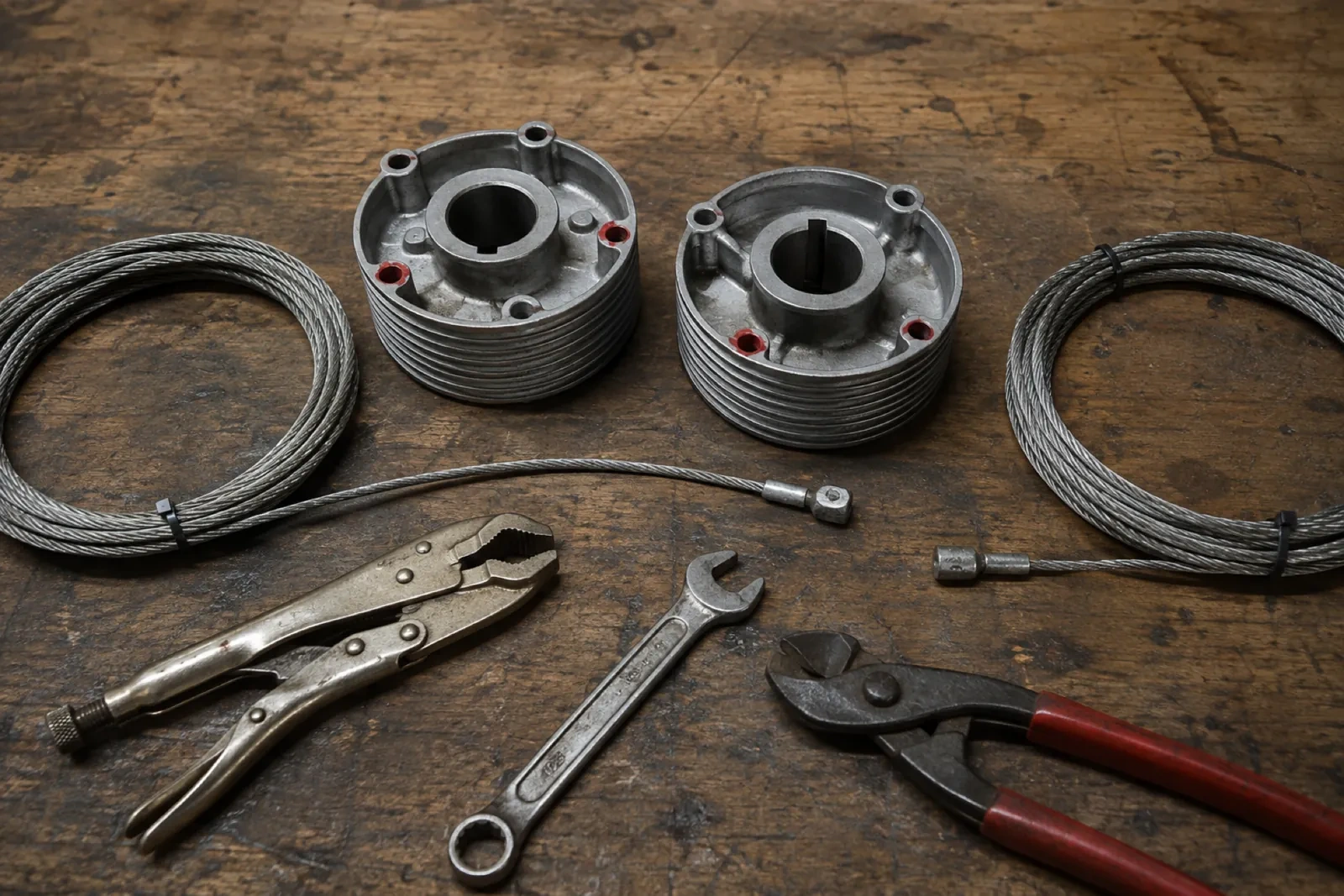
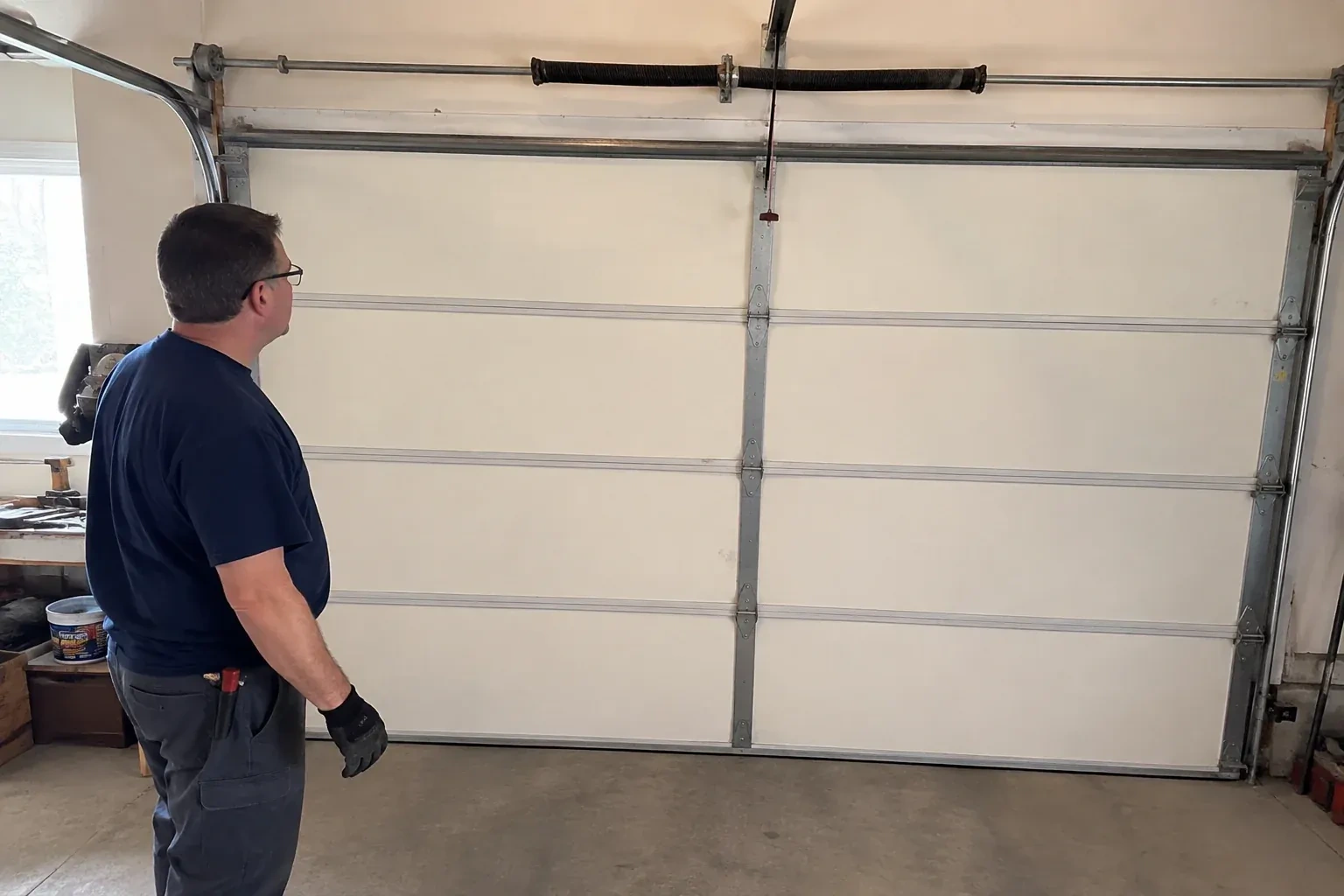
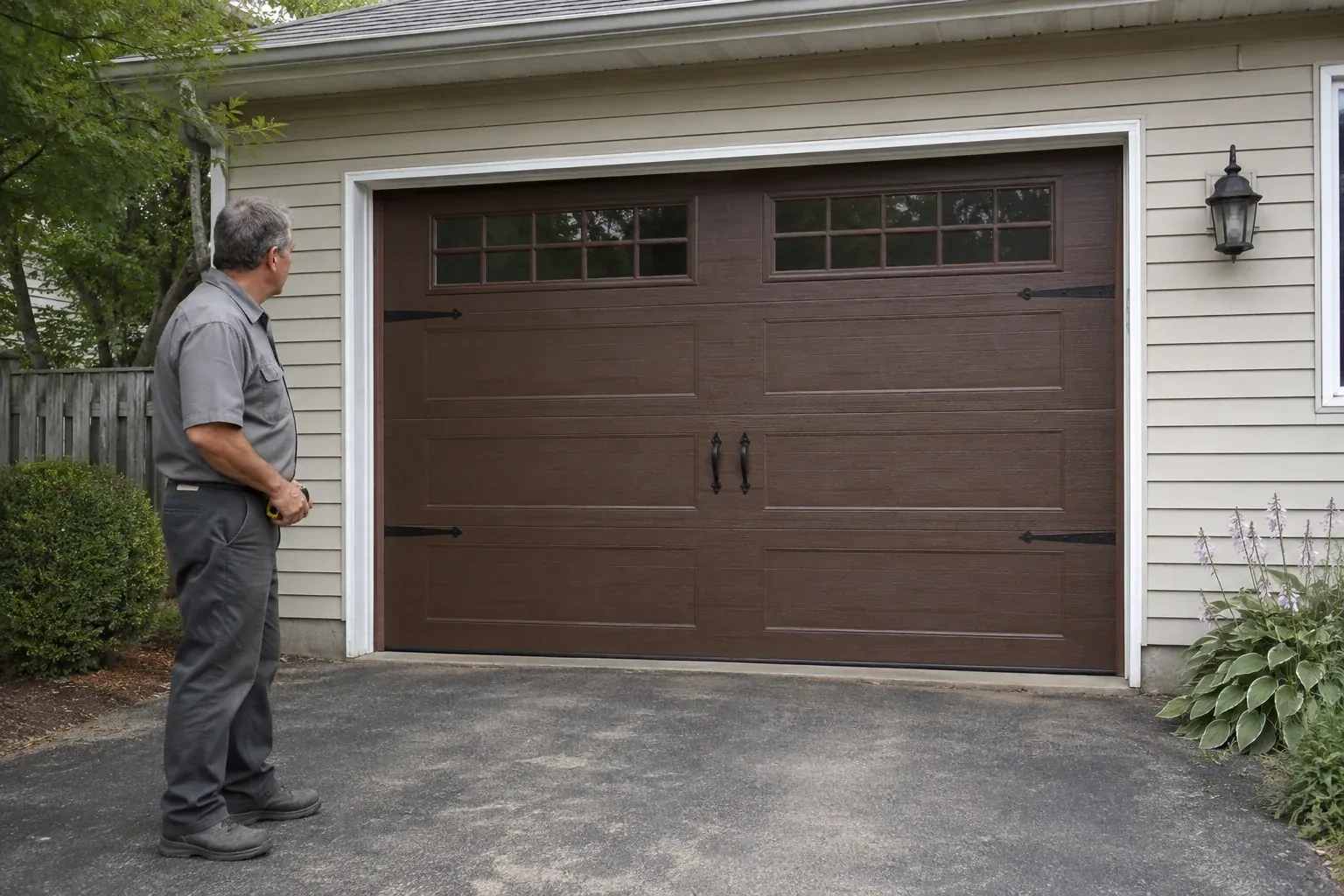
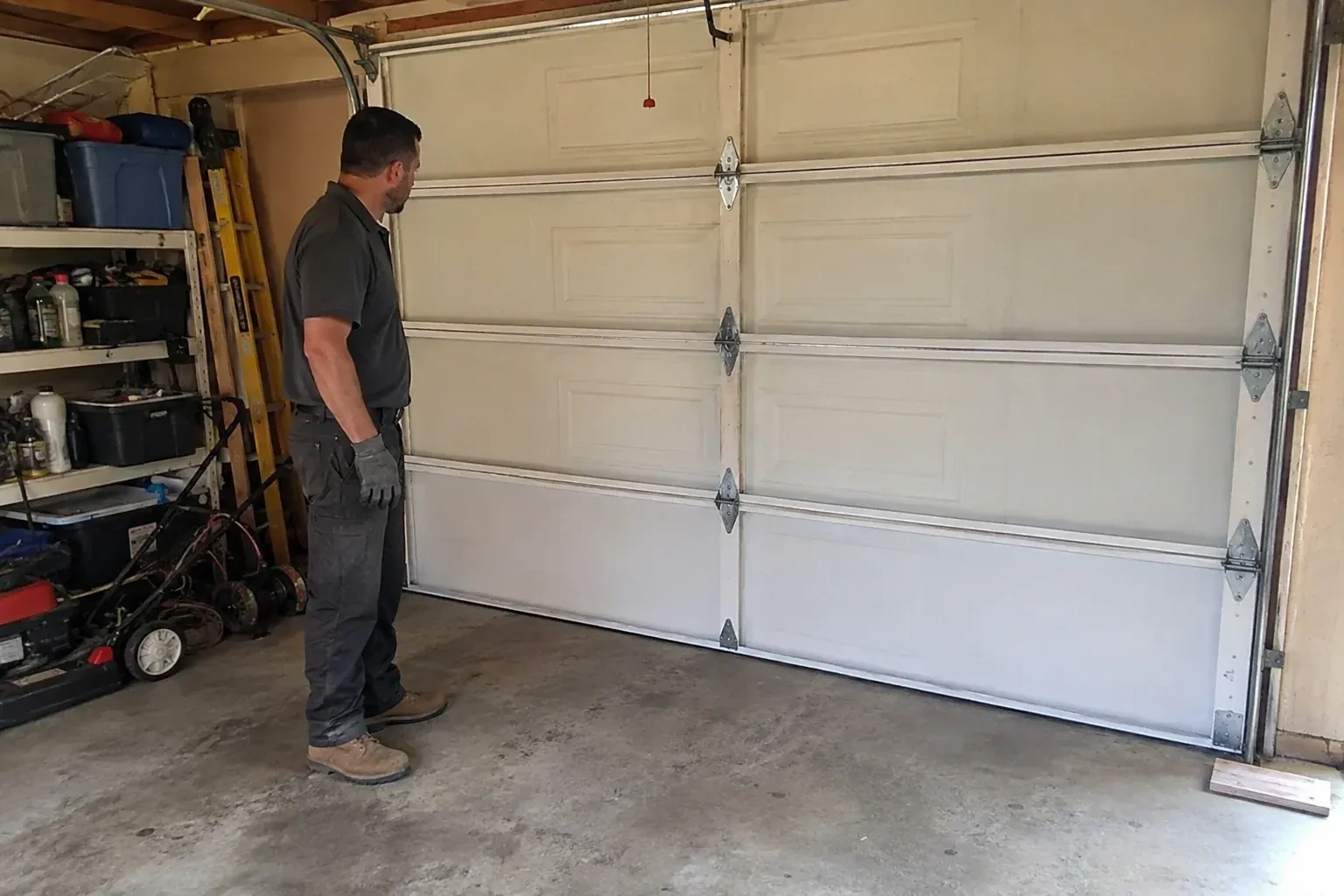
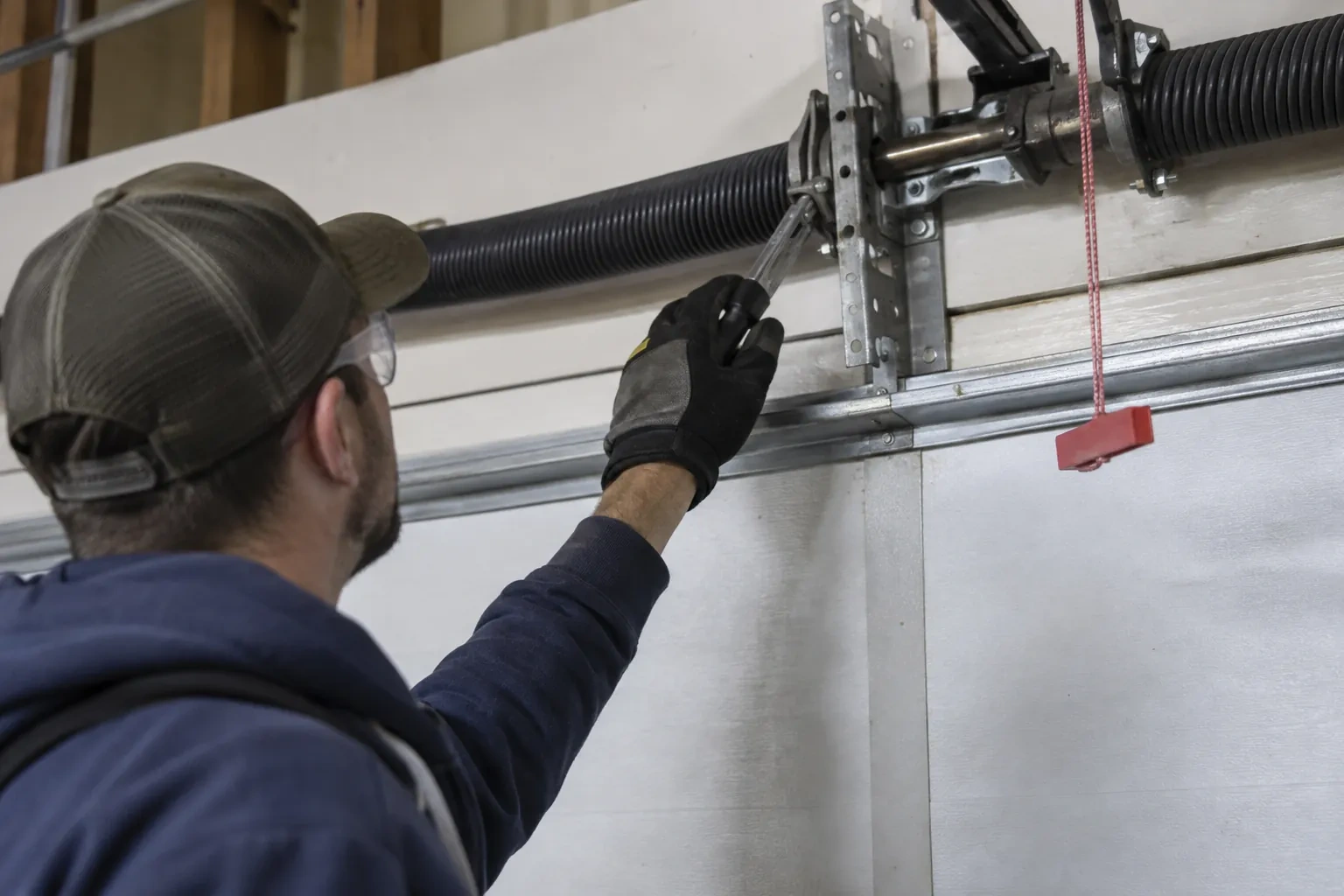
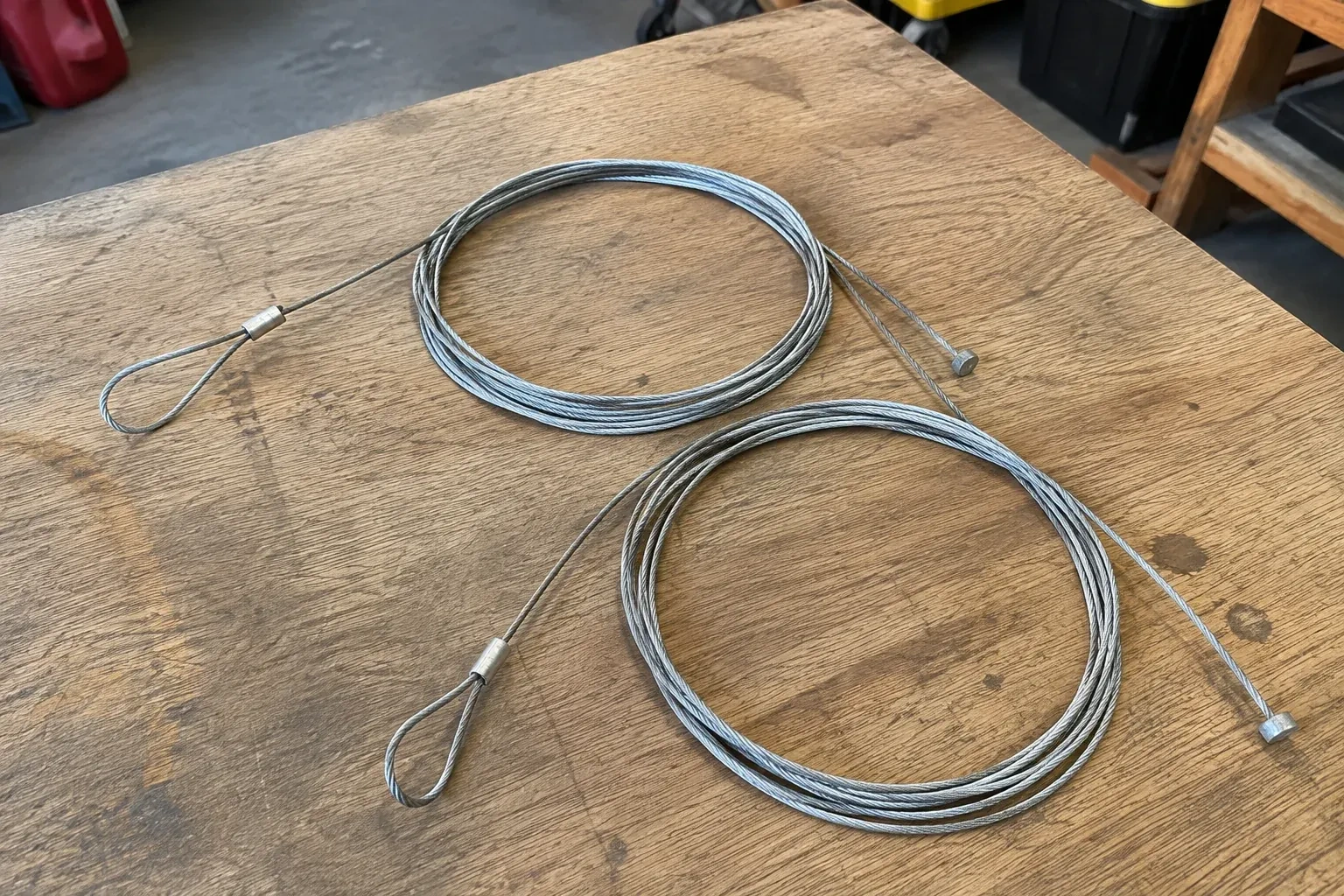
Nobody in Brampton should nod along to an explanation they did not follow. Before a tool comes out, the technician shows you the worn spring, the frayed cable or the stripped gear, tells you why it failed, and lays out the sensible choices side by side. The decision stays with you.
Nobody in Brampton should nod along to an explanation they did not follow. Before a tool comes out, the technician shows you the worn spring, the frayed cable or the stripped gear, tells you why it failed, and lays out the sensible choices side by side. The decision stays with you.
The biggest door in the house, done right.
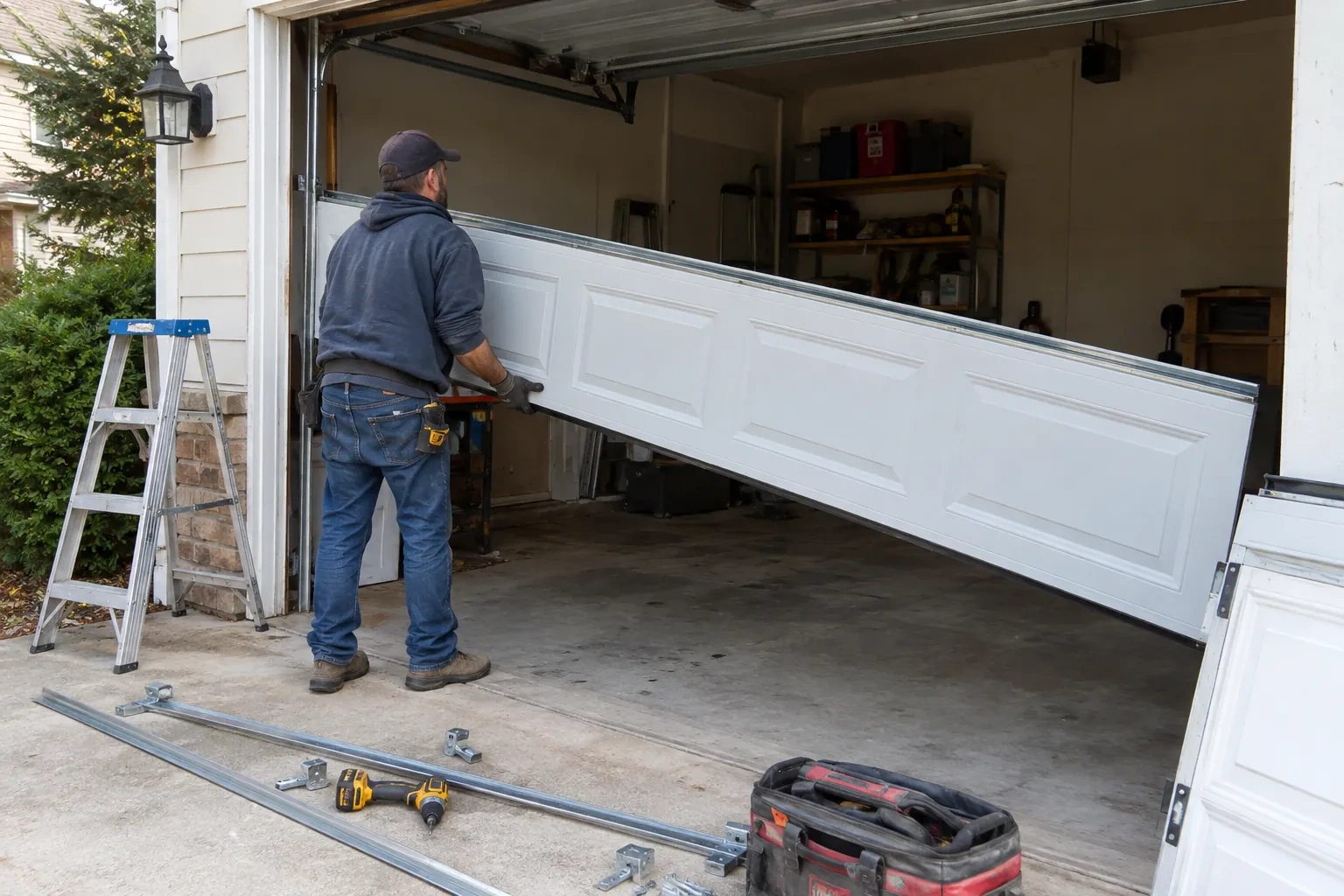
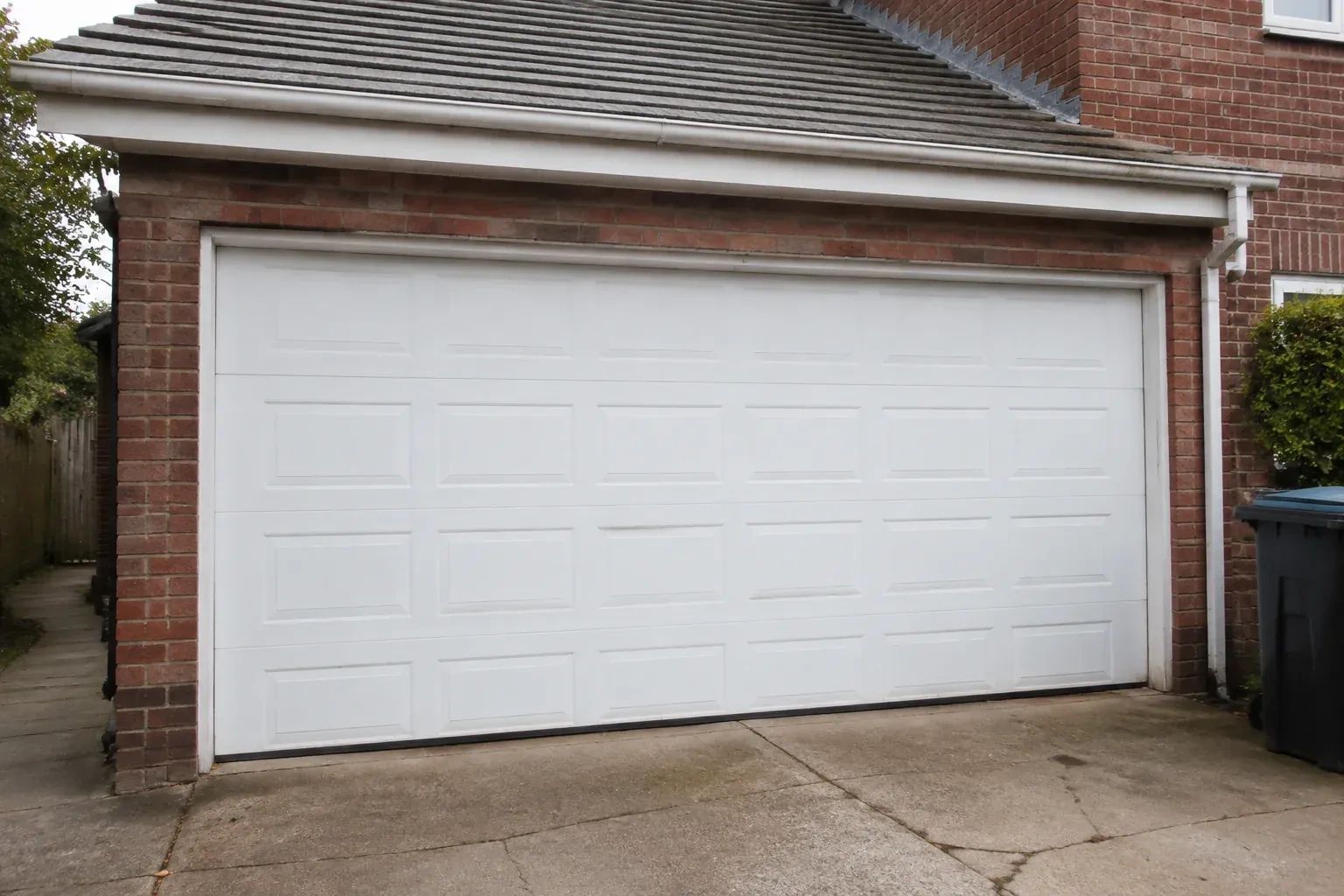
A new door for a home in Brampton is planned with more time than a repair. We measure the opening and headroom, talk through insulation, windows, colour and panel style, show samples at the house, and install the door and its hardware plumb, level and balanced so it looks and runs right from the first day.
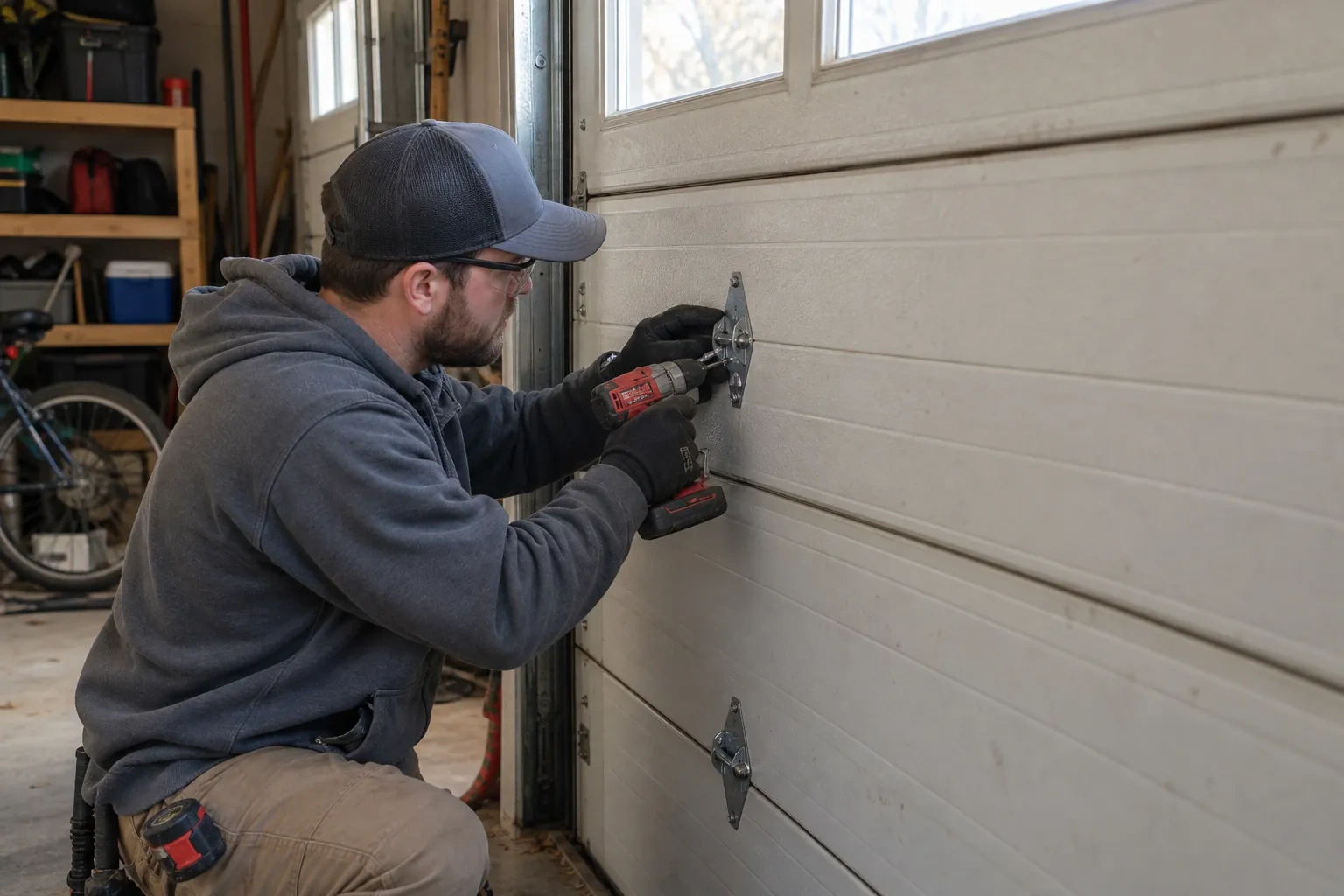
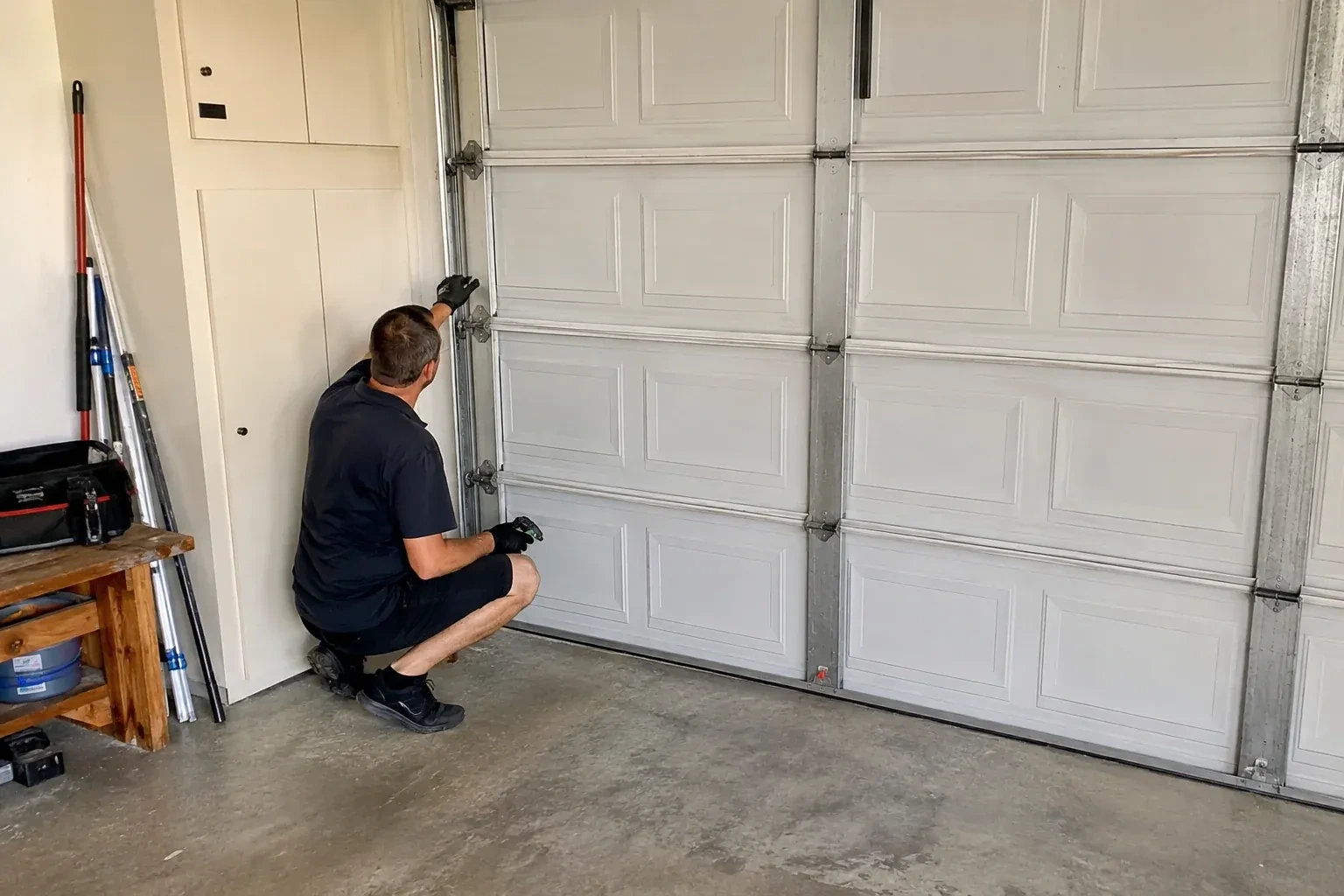
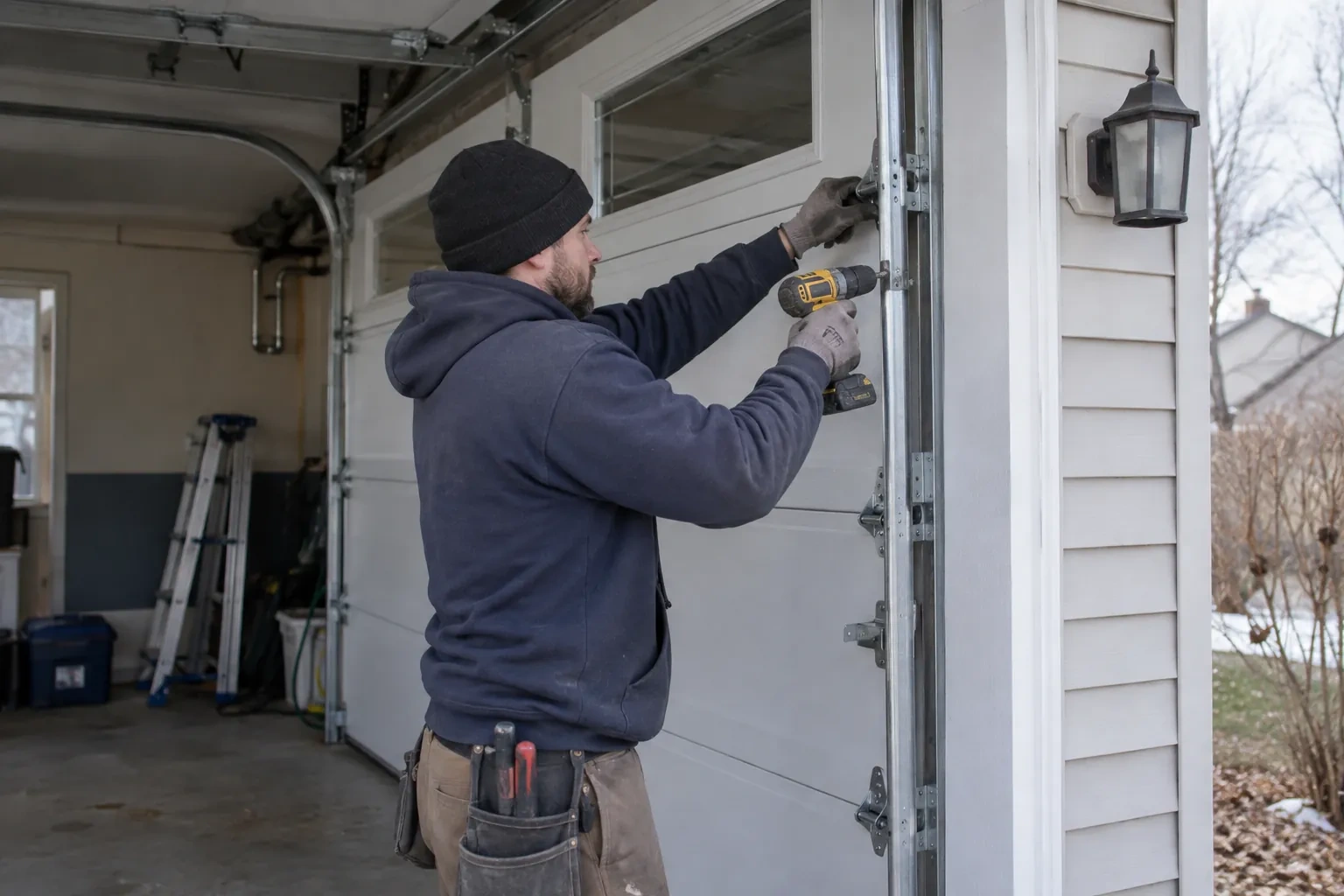
When a garage door in Brampton needs attention, we would rather you understand the problem than simply be told what it will take to fix it. Our technicians show you the worn spring, the frayed cable or the tired gear, explain what caused it and set out the sensible options side by side. The repair is done carefully, the door is tested with you watching, and the garage is left clean.
33years in business
24/7open every day
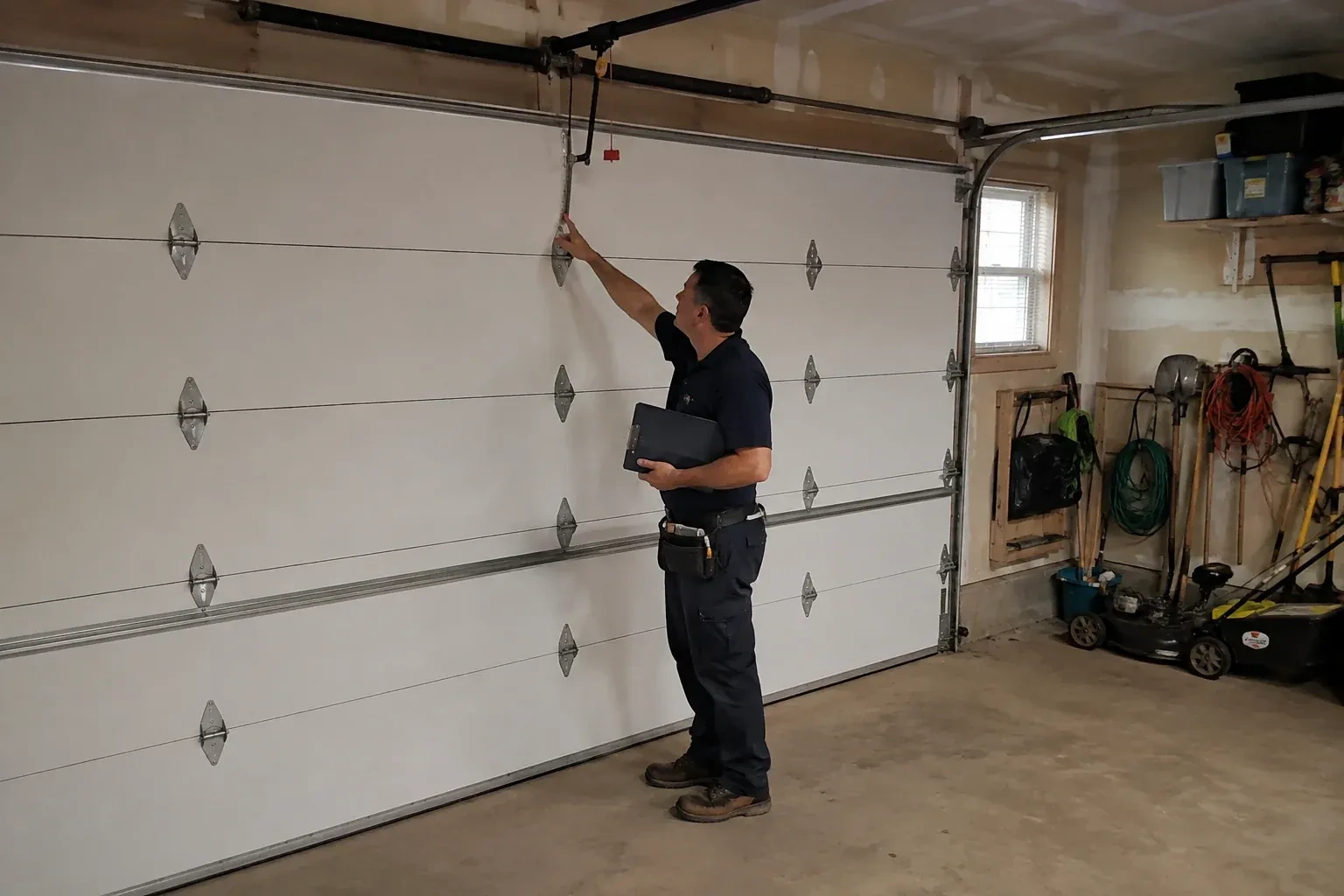
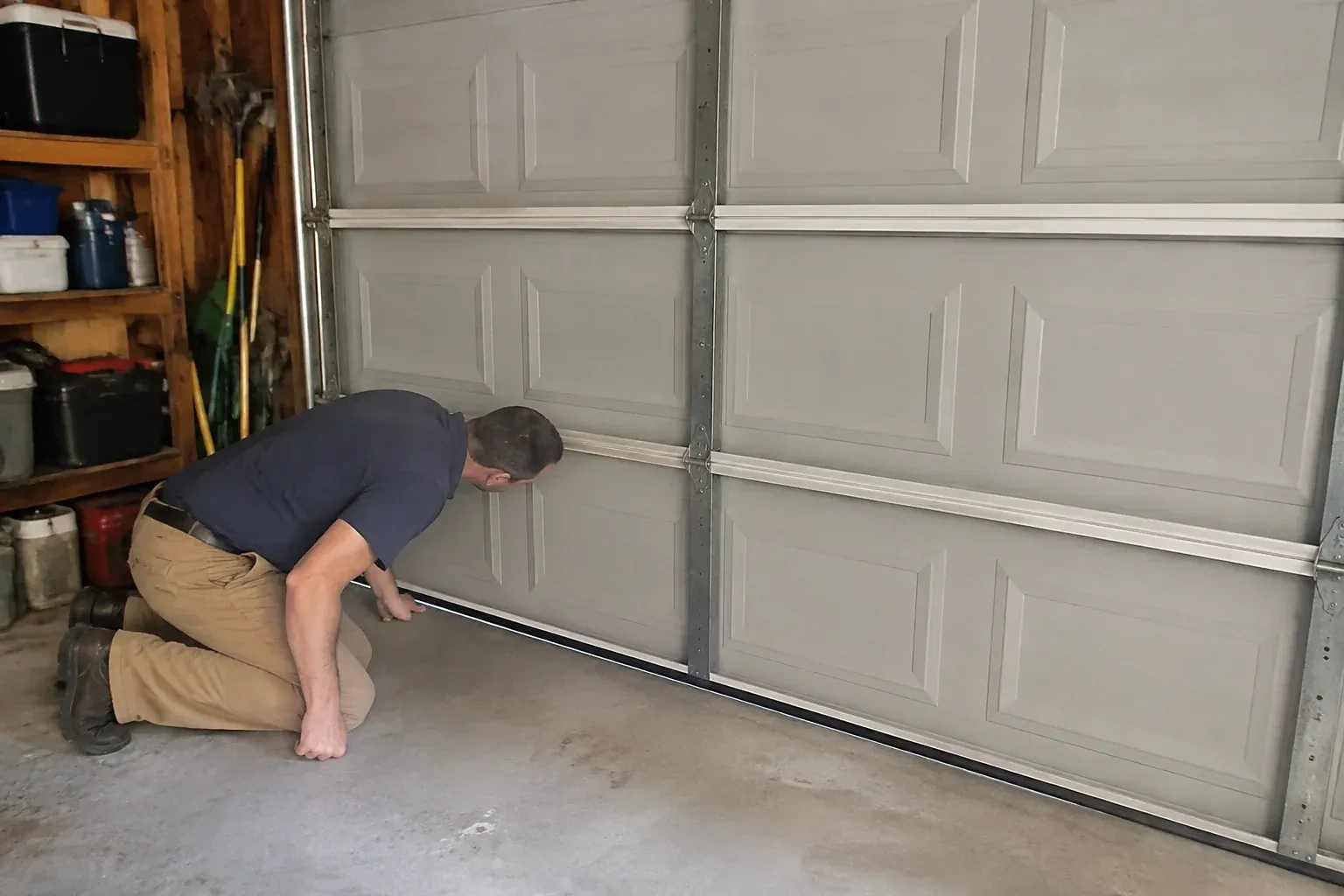
A walk-through of the door. You see what we see: the spring that has stretched, the cable that is fraying, the sensor that is knocked off line.
Care for what is stored. Bikes, tools, seasonal boxes and vehicles are moved or covered as needed, and put back where they were.
Choices that fit your plans. Selling next year, staying for decades or renting out: the right option depends on that, and we ask before advising.
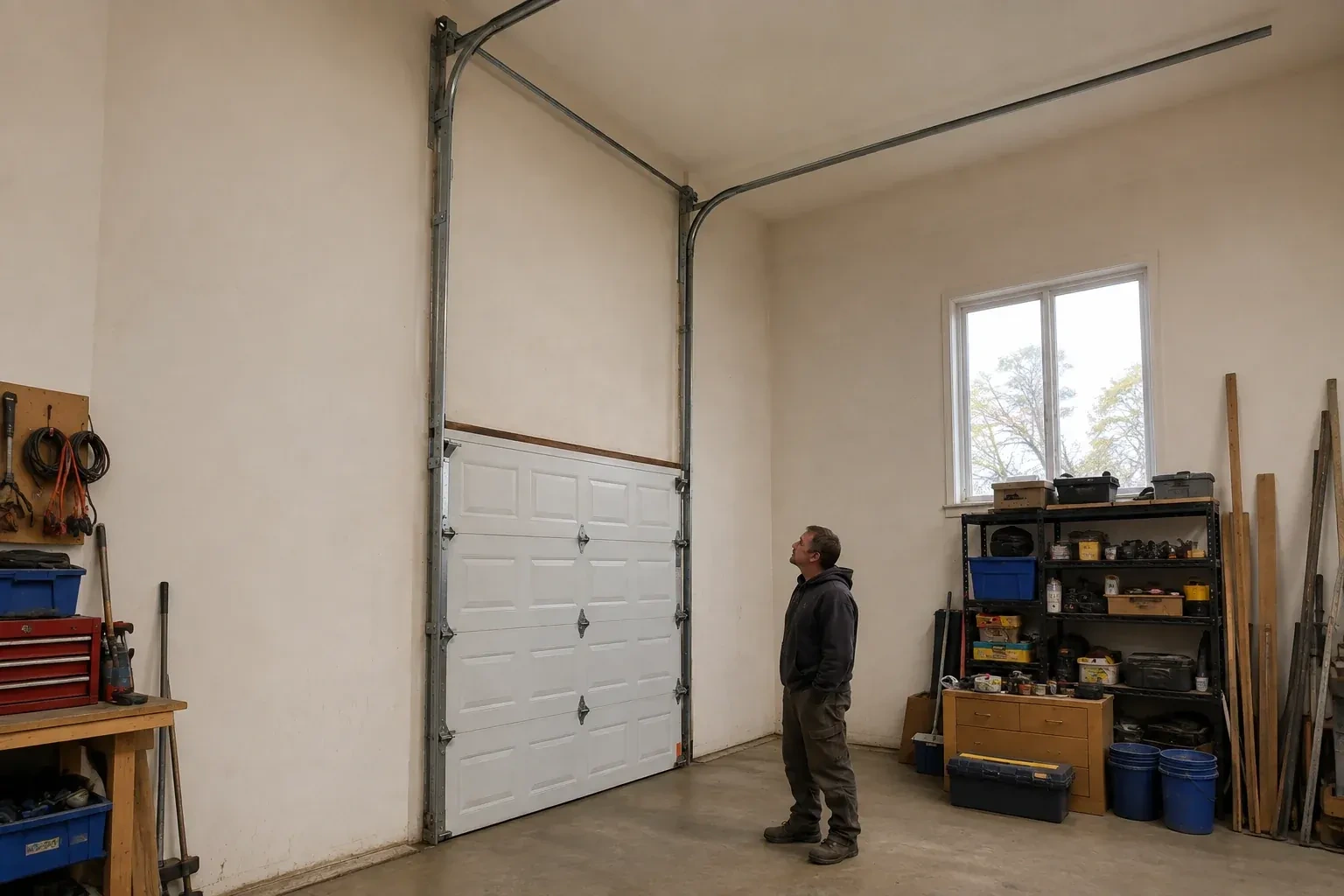
Everything we do for garage doors in Brampton starts with a proper look at the whole door. From there the service might be a small adjustment, a set of new rollers, a spring replacement, an opener repair or a new door. The pages here explain each option so you can follow the reasoning.
About 23% of homes in Brampton were built in 1980 or earlier, according to the 2021 Census.
Newer homes
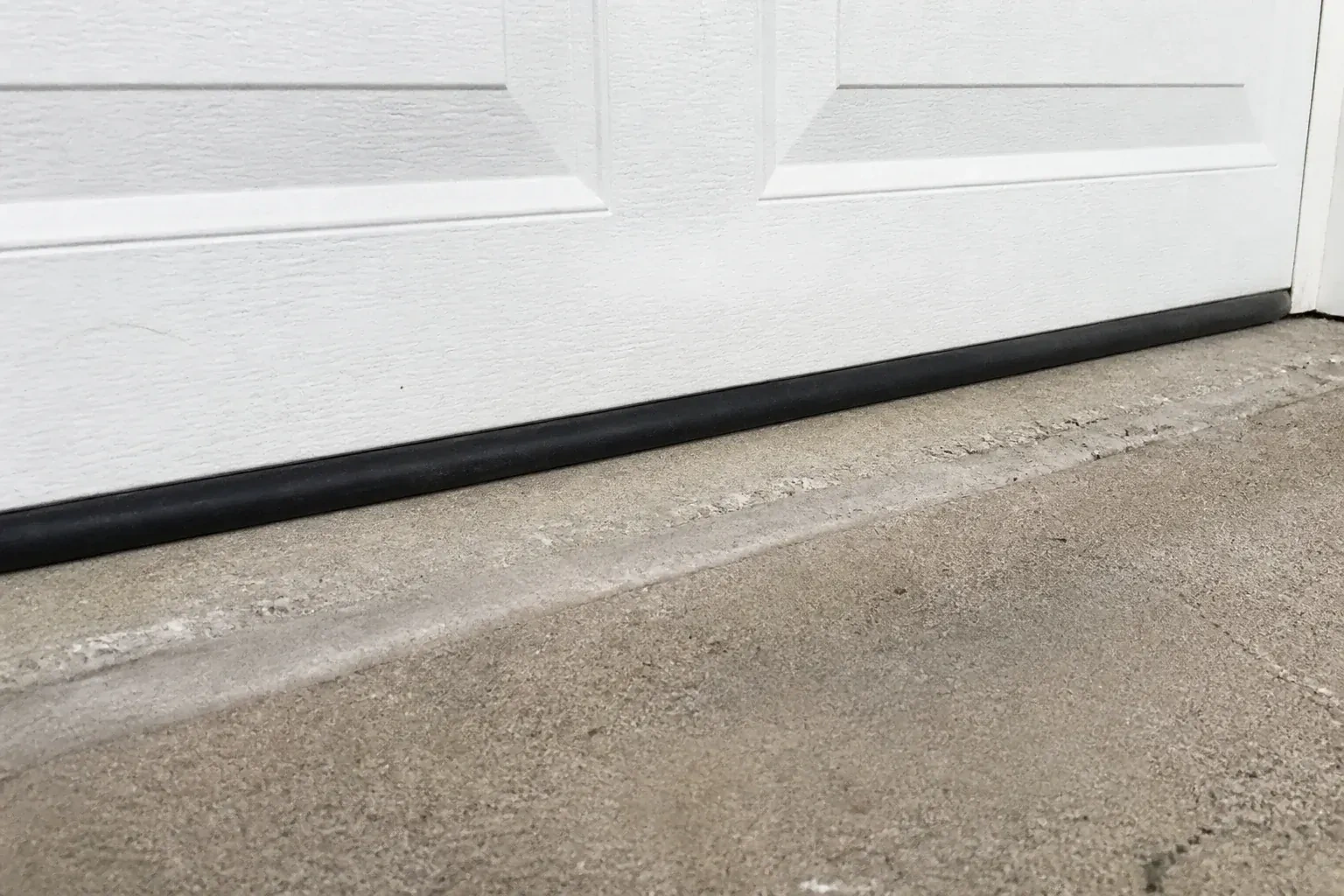
Where houses are newer, driveways slope up to the door and the apron is smooth, so the bottom seal usually meets the floor evenly. Seal work here is more about replacing a section cracked by winter salt than about closing a gap, and it is a small, worthwhile job.
Single-detached houses make up about 53% of homes in Brampton (2021 Census).
Mixed housing brings mixed garage use: workshops and storage in the detached homes, everyday parking and a tight squeeze in the attached ones. Sealed rollers and protected sensors suit the busy workshop door; a quiet opener and a well-balanced door suit the townhouse.
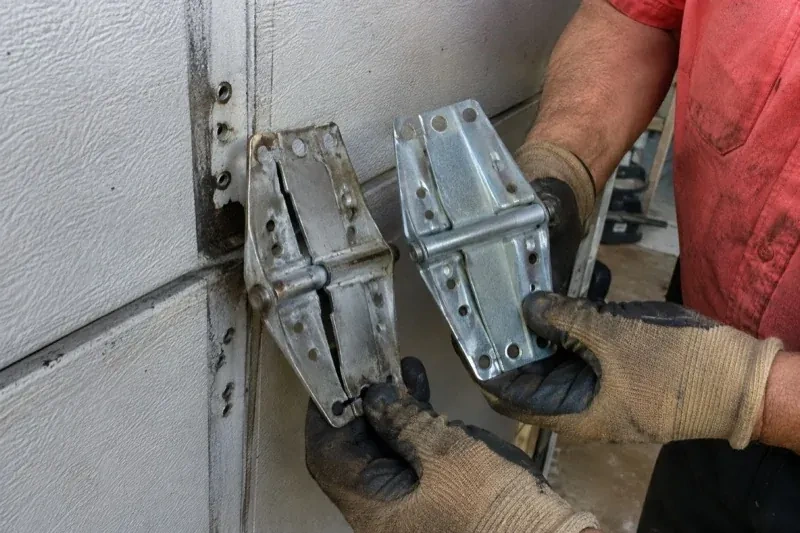
Hinges hold the sections together and let them fold around the curve of the track. When they crack or wear oval, the door binds and the panels begin to separate. We replace them by position and gauge so the door folds cleanly again.
Homeowners come to this group for two reasons: the door has failed, or the door is fine and they want something better. Either way, the process is the same measured, unhurried installation with hardware matched to the new door.
The door opens about a third of the way and stops. Turning the limit screw on the head has made no difference, and the trolley seems to sit in the wrong place along the rail when the door is fully closed.
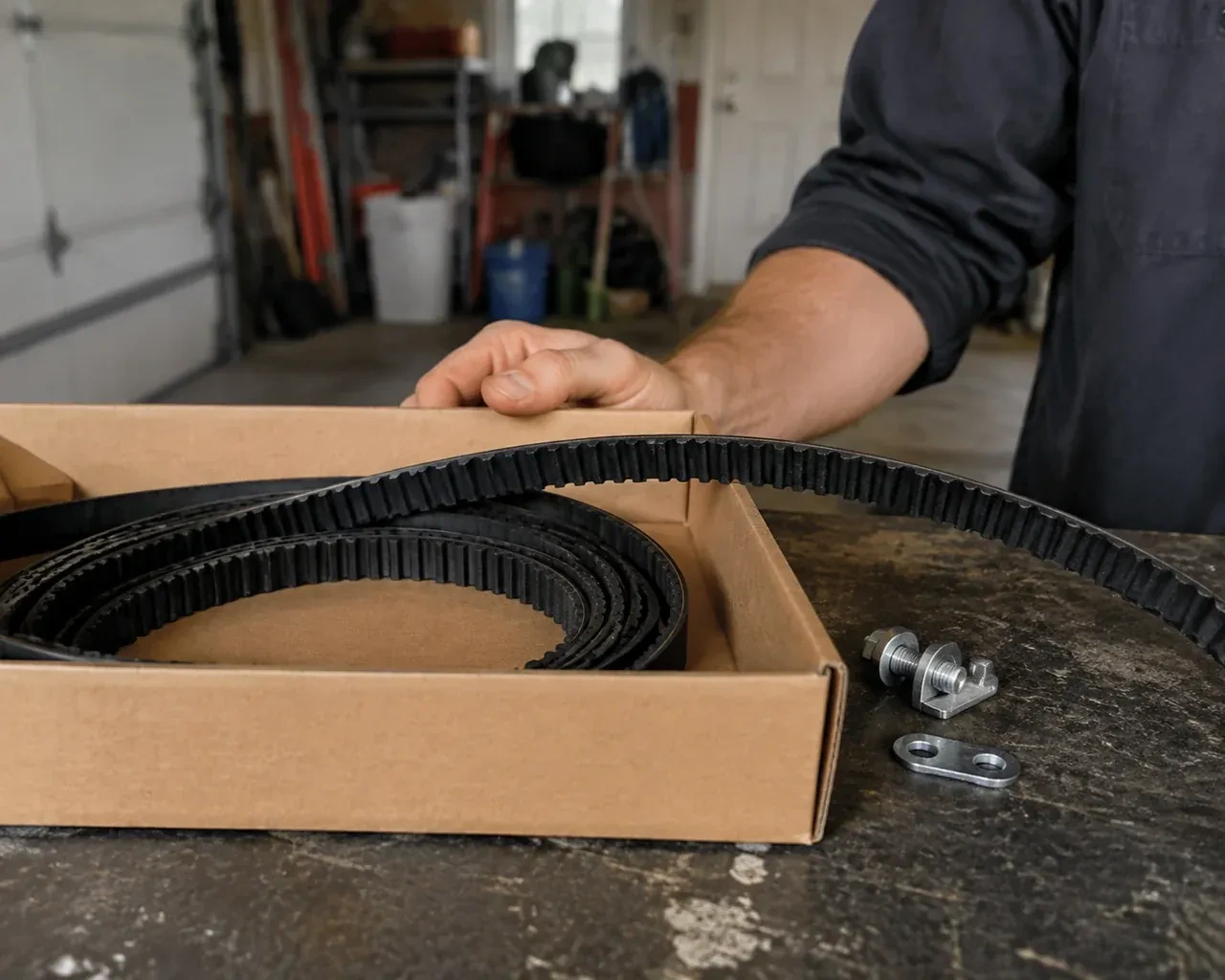
The door used to glide up with a soft hum. Now there is a sharp clack every second or so, and if you stand underneath you can see the belt sagging below the rail and slapping it on the way up.
During the ice storm the power was off for two days. You came home in the dark, found the door dead, and had to climb out of the car to pull the red cord in the cold.
Someone in the family tried to add a remote, held the button on the ceiling unit a little too long, and now every remote in the house is dead at once. The wall control still moves the door.
After a week of lifting the door by hand you pressed the button, hoping it would catch. Instead the motor grinds, the trolley thumps against the end of the rail, and the little lever that should snap back stays stubbornly upright.
Which fix fits?
You moved in a few months ago and have no idea when the garage door was last looked at.
WhyA heavier decorative door may need a different spring specification, stronger section reinforcement or another opener arrangement than the former door.
You like the brightness of clear glazing but not a direct view of everything stored inside.
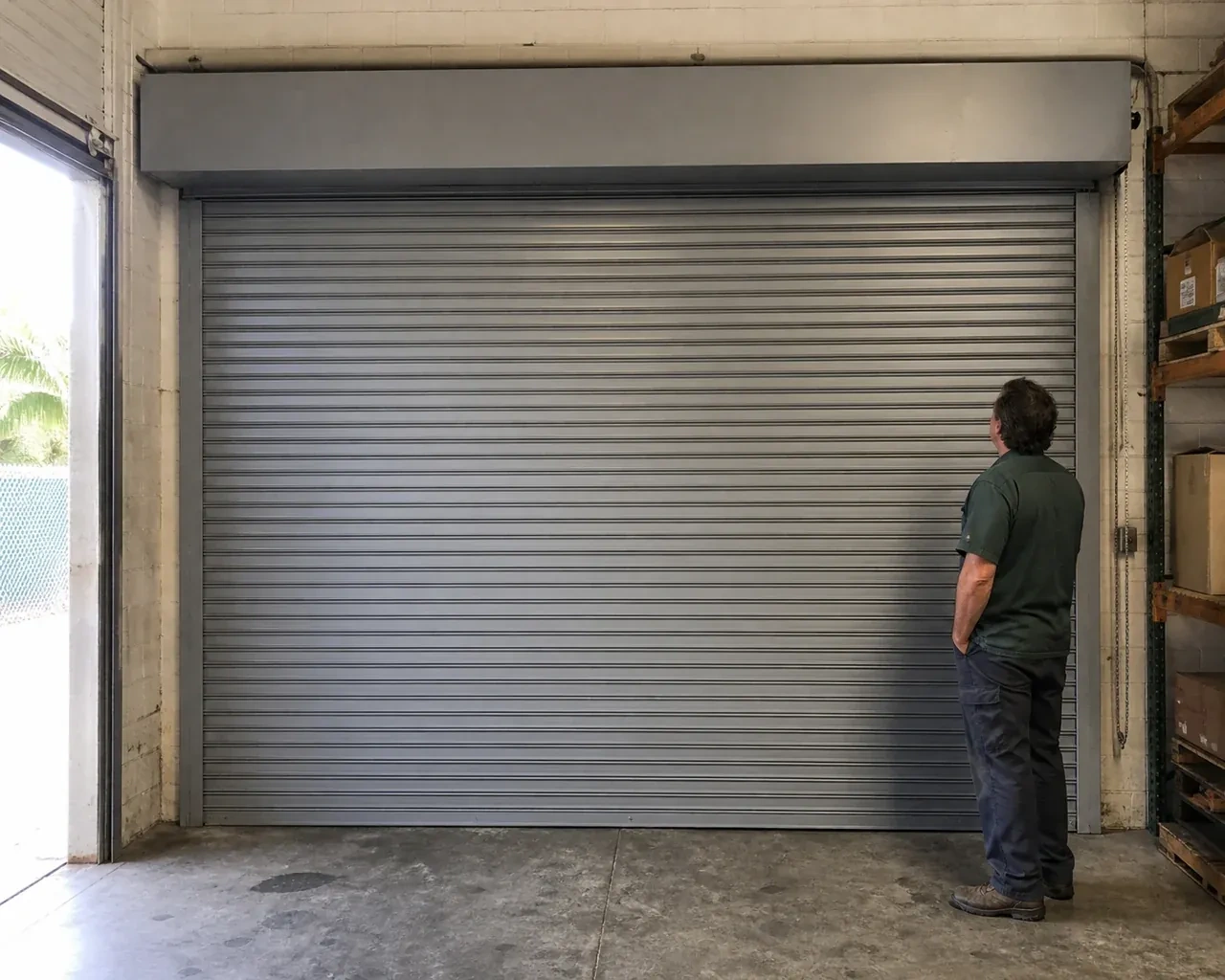
WhyExterior rolling doors work at the boundary between indoor operations and winter weather.
An entrance. Not an afterthought.
1/10Garage Door Tune-Up
You moved in a few months ago and have no idea when the garage door was last looked at. The previous owners left the remotes on the counter and no paperwork, and the door works, but it works loudly and unevenly.
One side of the door hangs a hand's width lower than the other. A steel cable is drooping in a loop beside the track instead of running tight to the drum, and the whole door looks tilted in the opening.
It is a February morning and the key goes only halfway into the garage handle. Yesterday's melt ran down the door face and into the keyway, and overnight it set like glass. The key flexes; the cylinder stays put.
For a few days there was a grinding sound whenever the door started moving. Now the motor spins freely and the door stays exactly where it is. On the hood of the car there is a scatter of white plastic shavings that fell from the unit above.
The motor runs, you can hear it working, but the door never moves. When you look up, the sprocket on top of the head is barely turning, and there is a little drift of pale plastic dust on the cover.
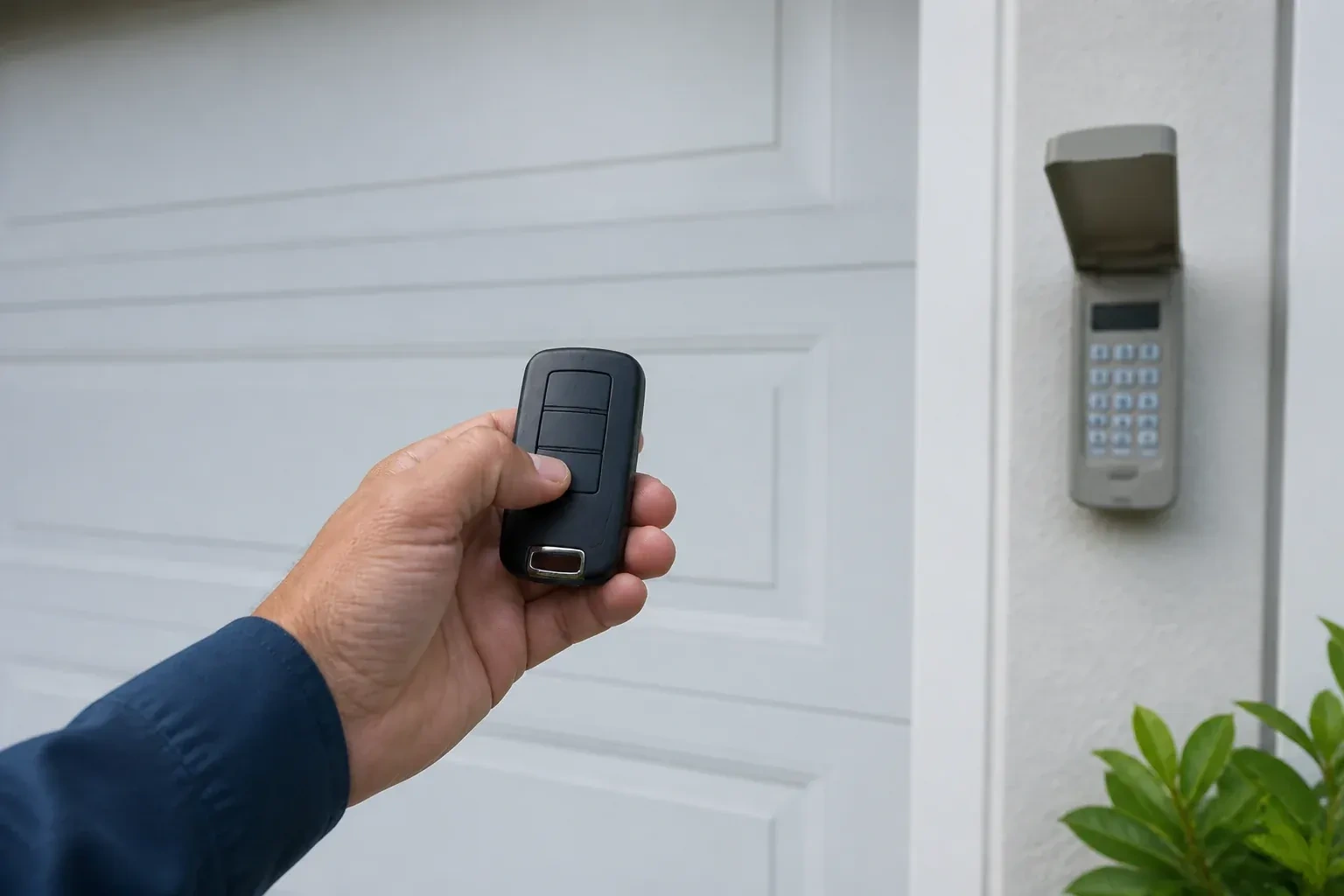
The new car has three buttons in the mirror for garage doors. You held the old remote up to it as the manual said, the light in the car changed, and yet the door ignores it completely. The handheld remote works fine.
Two garage openings sit side by side, and small differences in window spacing or decorative hardware would be obvious. You are looking for a measured installation with aligned panels and balanced proportions.
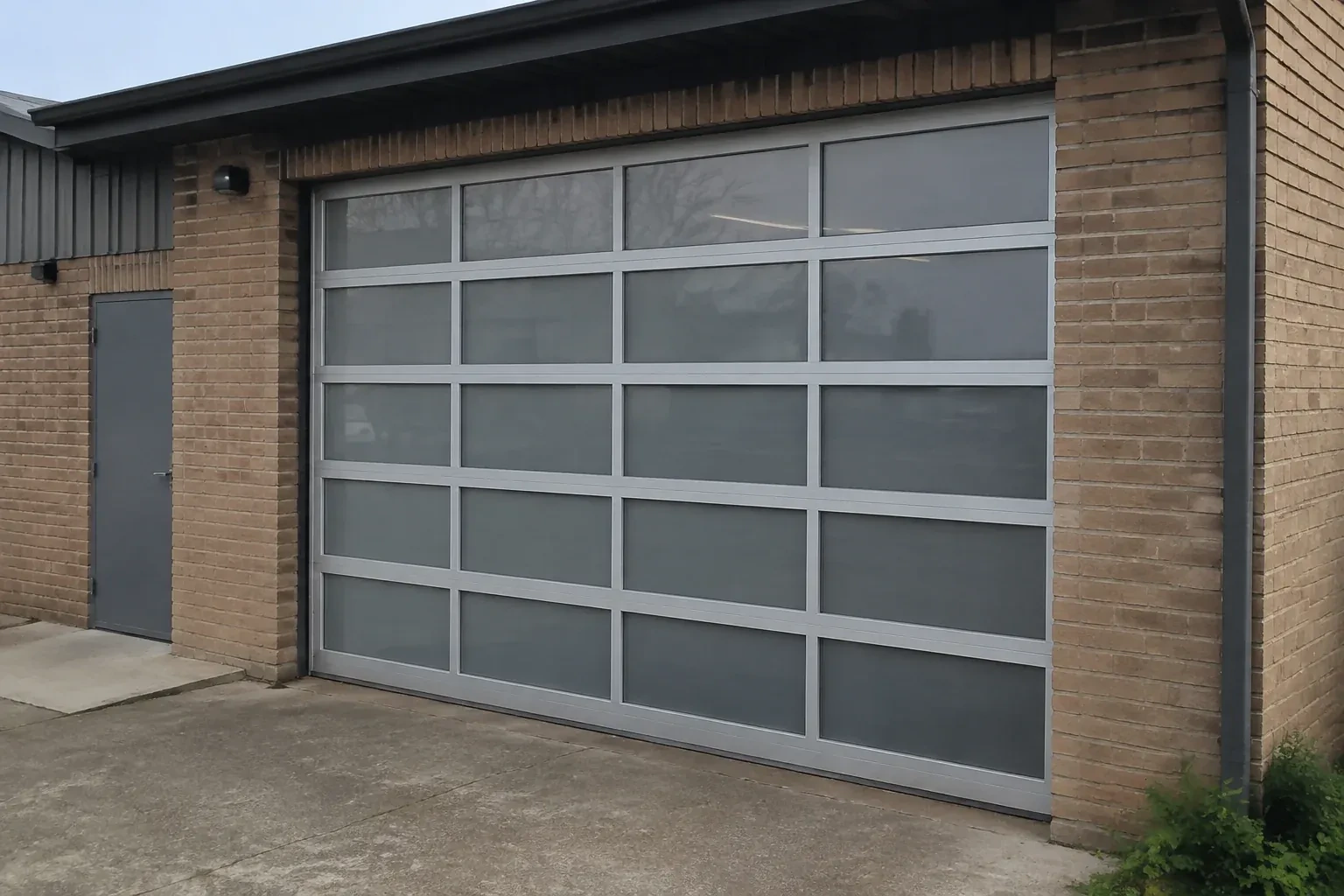
You like the brightness of clear glazing but not a direct view of everything stored inside. Frosted, tinted or obscure panels would let the new door share light while providing practical privacy.
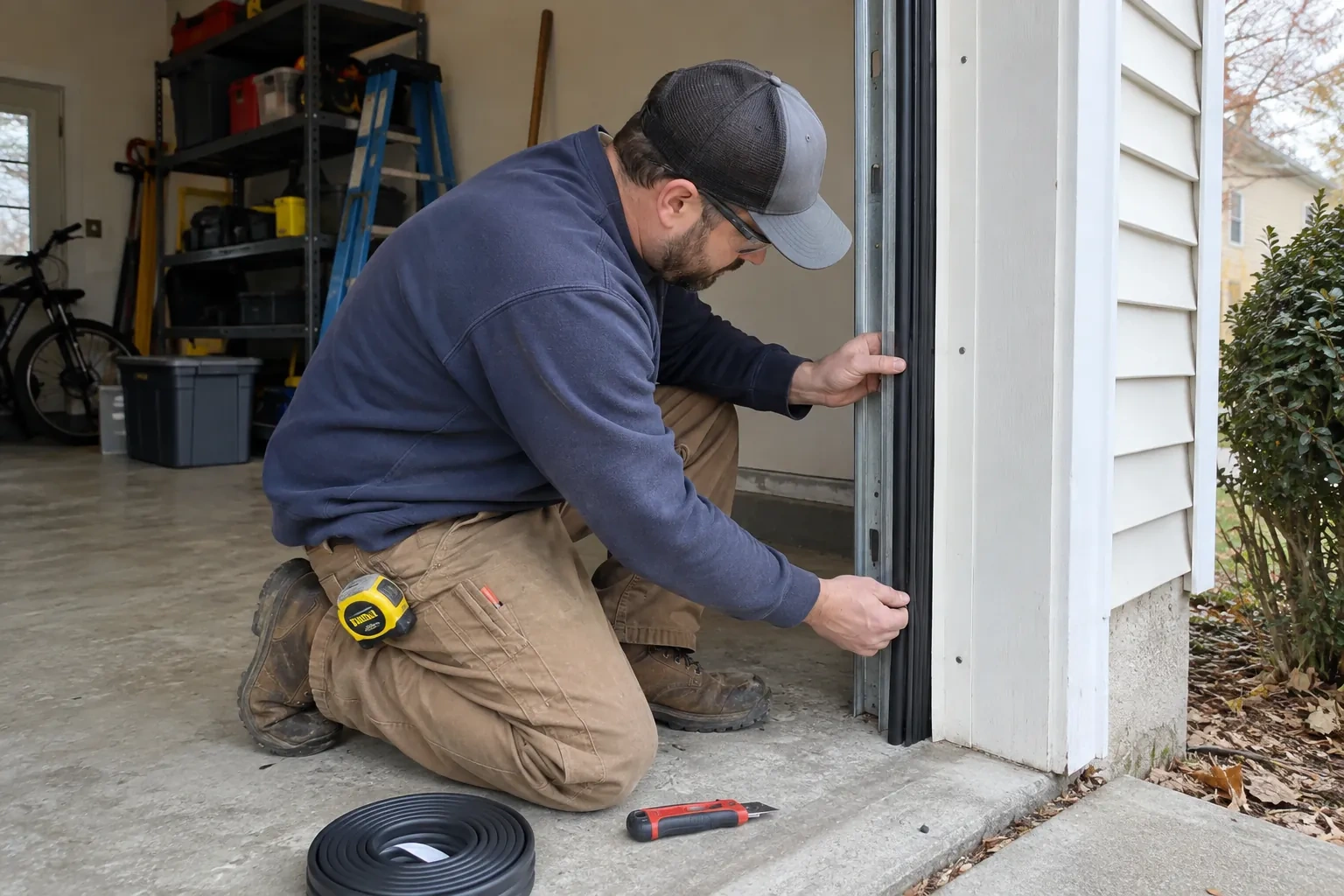
Cold weather has exposed a widening gap below the closed door. The bottom retainer is bent, the rubber seal is split, and uneven seating lets drafts and slush enter the work area.
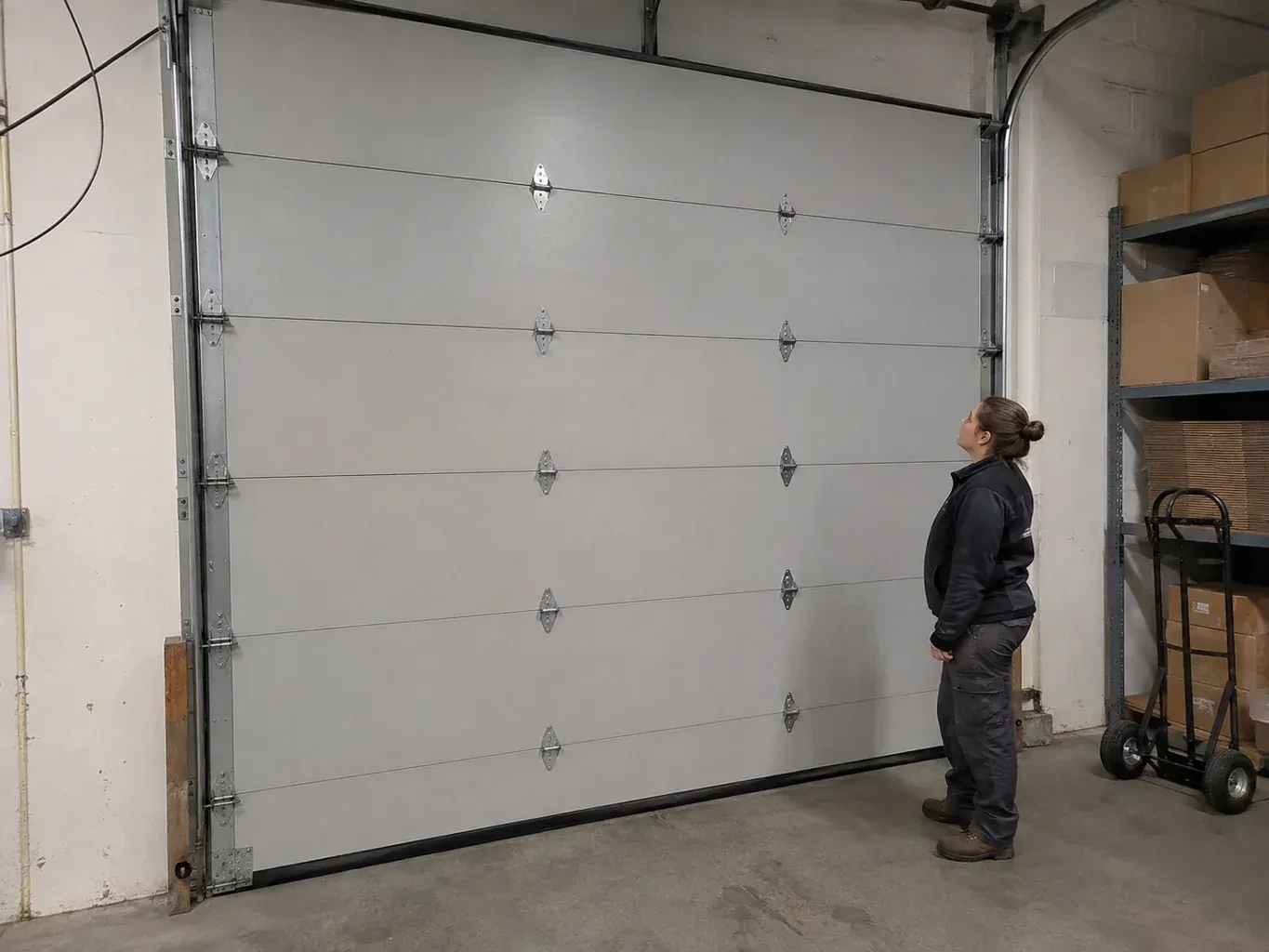
The rolling door starts upward, then one side rises ahead of the other. Its bottom bar sits on an angle, several slats scrape the guide, and the opening is no longer clear enough for normal shipping traffic.
A full cycle observed before any work, a hands-on inspection of hinges, rollers, tracks, springs, cables, drums, brackets and the opener's attachments, tightening of the accessible fasteners, lubrication of the moving points with a garage door lubricant, a balance check with the door disconnected from the opener, adjustment of the opener's travel and force, cleaning and alignment of the photo-eyes, both reversal tests, a look at the seals, and a written record of the findings.
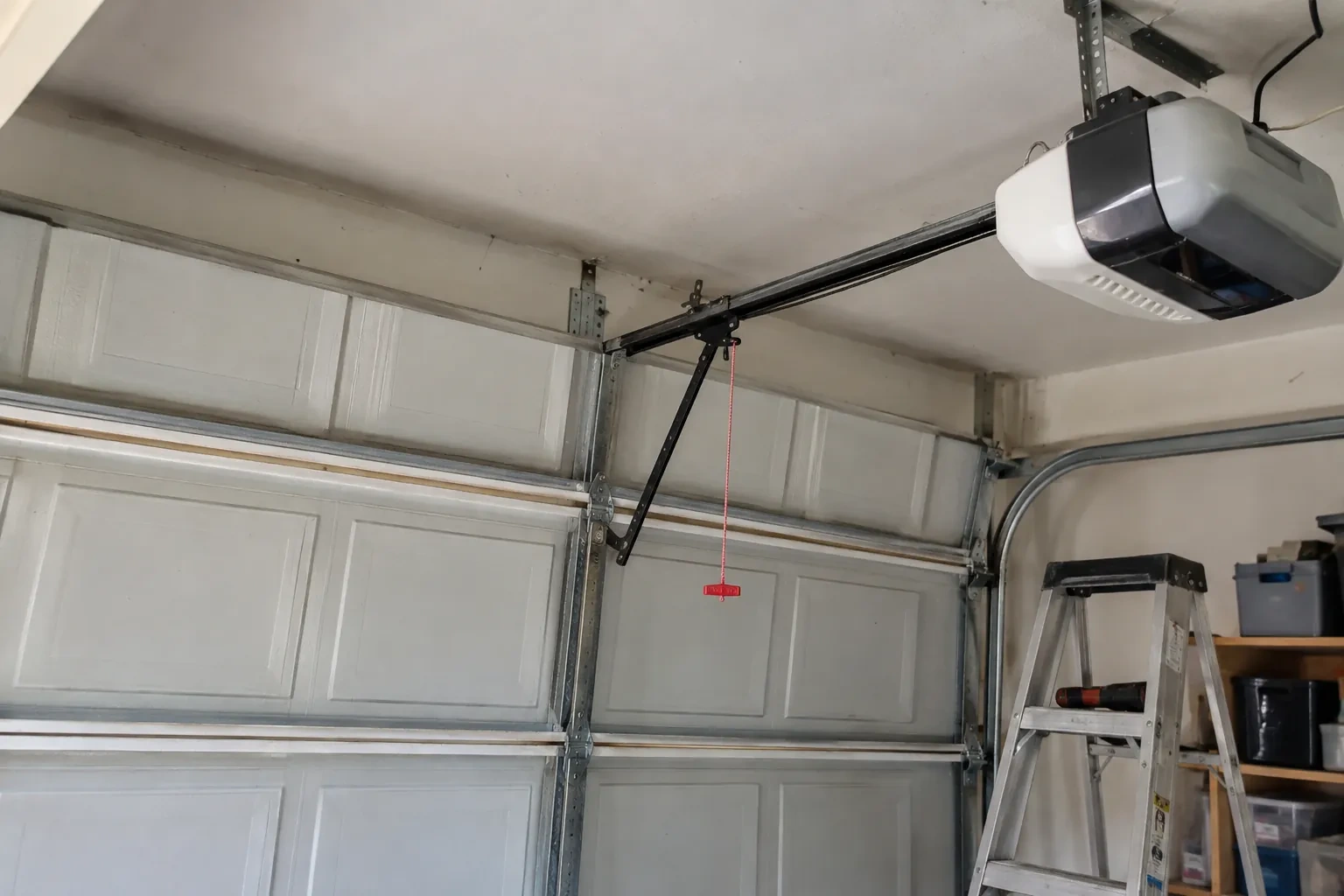
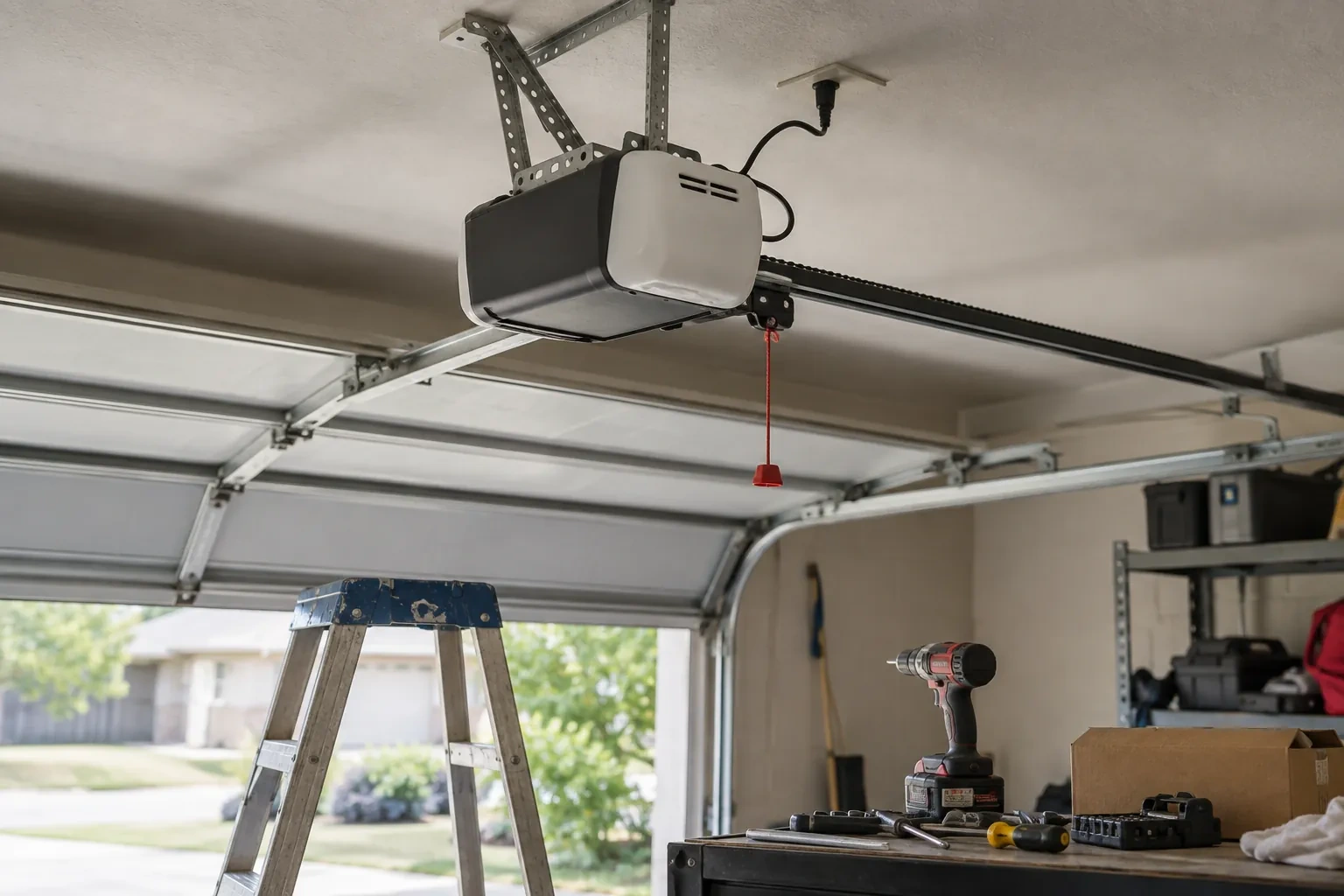
What is the red cord hanging from the opener, and should I pull it?
That is the manual release, which disconnects the door from the opener's trolley so the door can be moved by hand. It is safe to pull when the door is fully closed, and it is the right thing to do if the opener keeps trying to move a jammed door. Avoid pulling it with the door part way open unless a technician asks you to, because an unbalanced door can move once it is freed.
The wood around my lock is soft. Can it still be repaired?
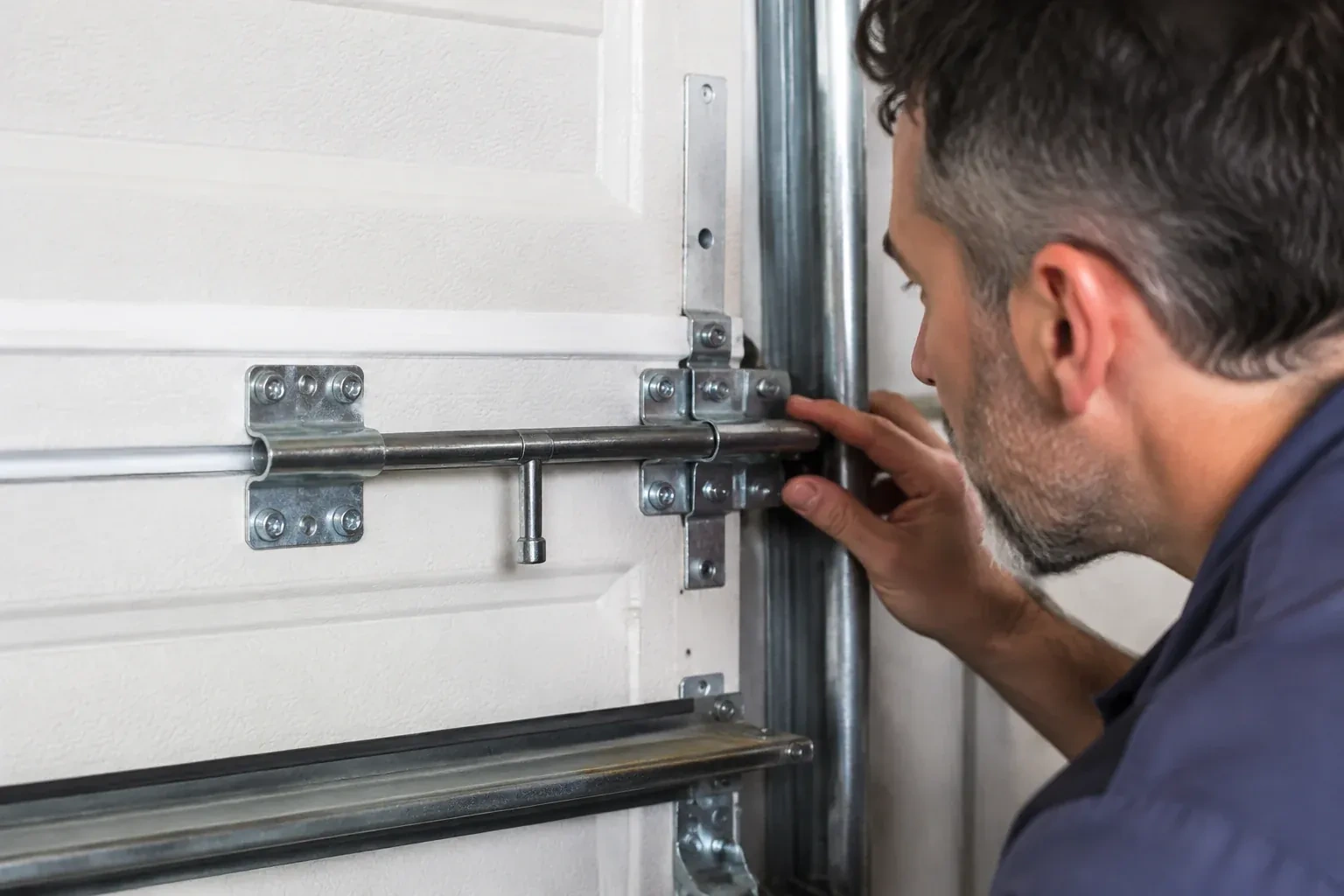
Yes. The decayed wood is cut back to sound material and a hardwood block or a steel backing plate is let in behind the handle and along the stile where the bar guides sit. The handle, mechanism and guides are then fixed to that new material with through-bolts rather than screws into soft grain, so the lock turns without rocking and the bars hold their line.
My opener has no photo eyes. Can it be kept in service?
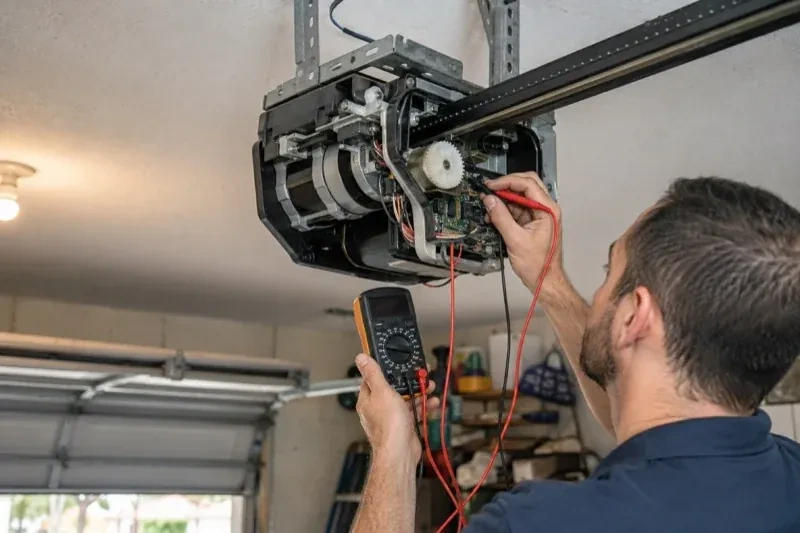
Openers without an external sensor date from before 1993, when photo eyes or an equivalent device became part of the operator standard. The door industry's own inspection checklist and consumer safety regulators both recommend replacing such units rather than repairing them, because the contact-reversal feature alone is a weaker protection for anyone or anything under the door. A diagnosis on one of these units usually ends with a replacement recommendation, explained plainly.
What does it mean when the drive is out of phase?
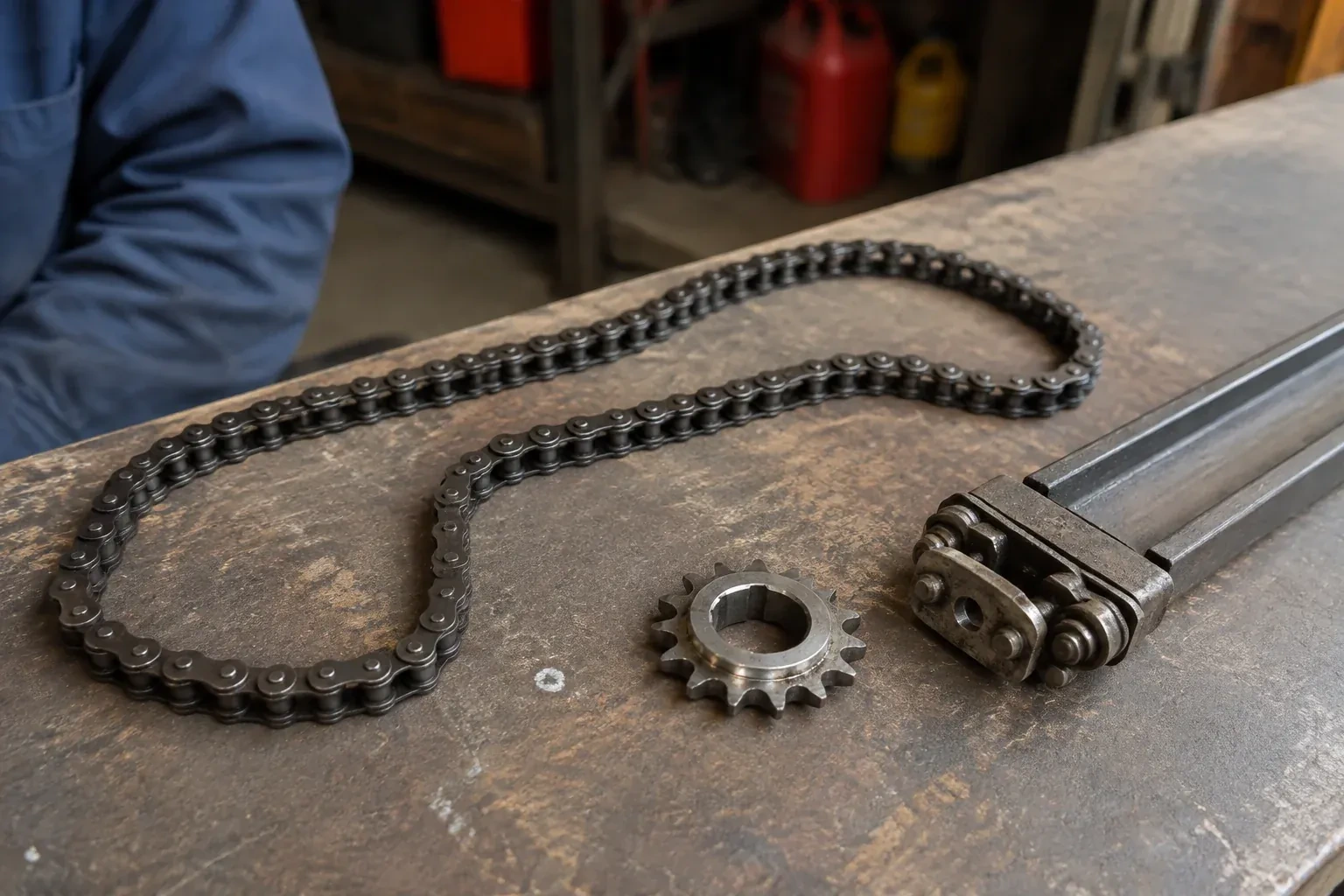
The motor keeps track of the door's position by counting its own turns, and the trolley is meant to be at the closed end of the rail when the motor is at its closed position. If the operator has been run with the chain off the sprocket, or a chain was refitted at random, the two no longer agree and the door travels partway however the limits are set. Re-phasing means finding the motor's closed position and refitting the chain with the trolley closed.
We just moved in. Should the opener's memory be cleared?
Yes, it is sensible. The previous owners may have handed over two remotes while a third sits in a relative's car, and the keypad code may be known to their cleaner. Clearing the memory forgets every stored remote and keypad code, then your own remotes, a new keypad code and your vehicle buttons are programmed back; a connected app or account from the previous owner is removed separately, since clearing the memory alone does not always take it with it.
How should I prepare the garage before installation?
Move vehicles outside and clear stored items from the door, side tracks, ceiling path and opener area. Provide access to wall controls and the electrical receptacle, and protect belongings that are sensitive to normal installation dust. Exterior access in front of the opening should also be open. Mention alarms, interior finishes or fragile landscaping that affect how the work area is arranged.
How should I clean the glass and aluminium frame?
Follow the care instructions for the exact glazing and finish. First rinse away grit and winter residue, then use a soft cloth or sponge with the approved mild solution. Acrylic, polycarbonate, coated glass and anodized or painted aluminium can have different restrictions. Clean with the door closed and prevent control operation while anyone is working near the sections.
Does a torn bottom seal always mean a seal-only repair?
Not always. The rubber may simply be worn, but a bent retainer, uneven floor, crooked door or impact-damaged bottom section can produce the same gap. The technician checks how the door lands before replacing material. Correcting level or retainer shape first allows the new seal to contact evenly without being stretched to compensate for another fault.
How often should a commercial rolling door be inspected?
Follow the door and operator manufacturers' intervals, adjusted for cycle count, exposure, impacts and facility conditions. Industry guidance supports periodic technician inspection at least annually for rolling doors, while a labelled fire door also follows the applicable fire-safety inspection and testing requirements. Visible facility checks between visits help identify changes early.
Request a visit
A new door for a home in Brampton is planned with more time than a repair. We measure the opening and headroom, talk through insulation, windows, colour and panel style, show samples at the house, and install the door and its hardware plumb, level and balanced so it looks and runs right from the first day.