Garage Doors in Bramalea, OntarioSafe for everyonewho walks under it.
Photo-eyes, the auto-reverse force setting and a balanced door are what stand between a closing door and a child, a pet or a bicycle wheel. On every visit in Bramalea we test all three, correct whatever has drifted, and explain how you can check them yourself between visits. This page also covers Frasers Corners, Tullamore and Woodhill.
Photo-eyes, the auto-reverse force setting and a balanced door are what stand between a closing door and a child, a pet or a bicycle wheel. On every visit in Bramalea we test all three, correct whatever has drifted, and explain how you can check them yourself between visits. This page also covers Frasers Corners, Tullamore and Woodhill.
The biggest door in the house, done right.
In Bramalea we have found that most people simply want to understand what happened to their door. So the technician explains as he goes: why the spring broke, what a balanced door feels like, how the sensors work. You end up knowing your door better and knowing what to listen for next time.
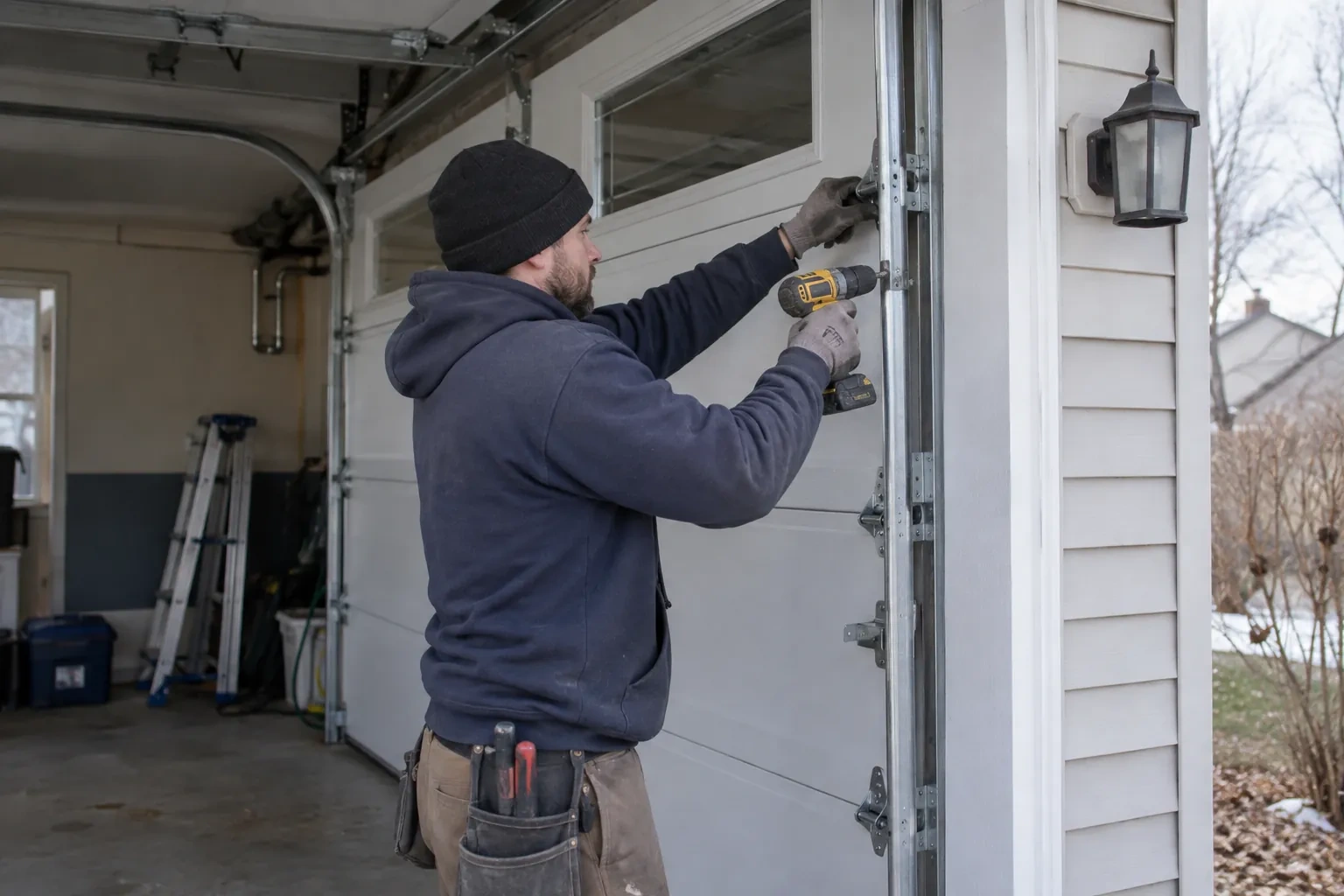
We keep Bramalea on our regular route, which means a technician who knows the neighbourhood and a van that is stocked for the repairs we see there most often. Broken springs, loose cables, worn rollers, opener faults and failed sensors are all handled with care and explained in plain words. New doors and openers are installed with the same attention to detail.
33years in business
24/7open every day
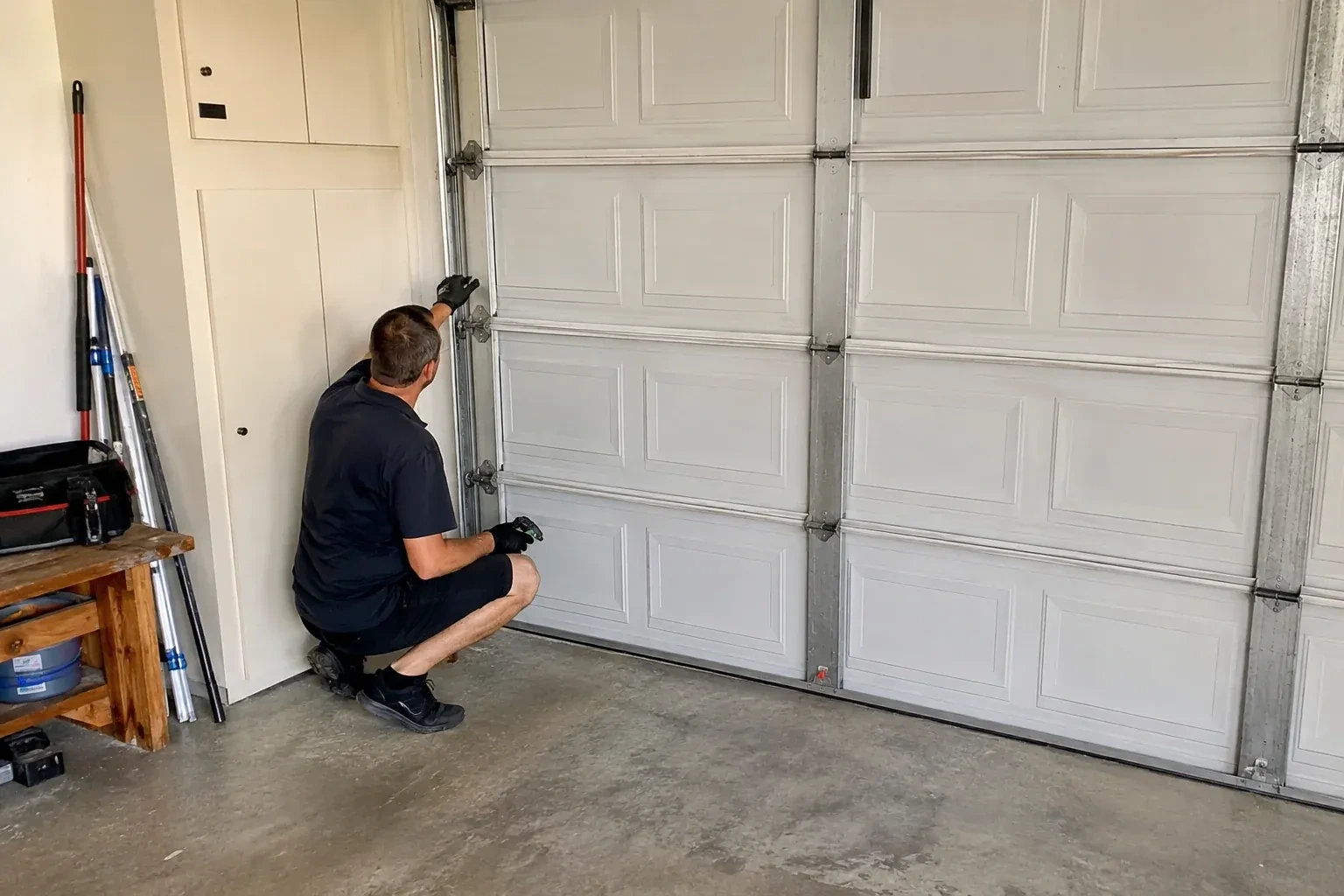
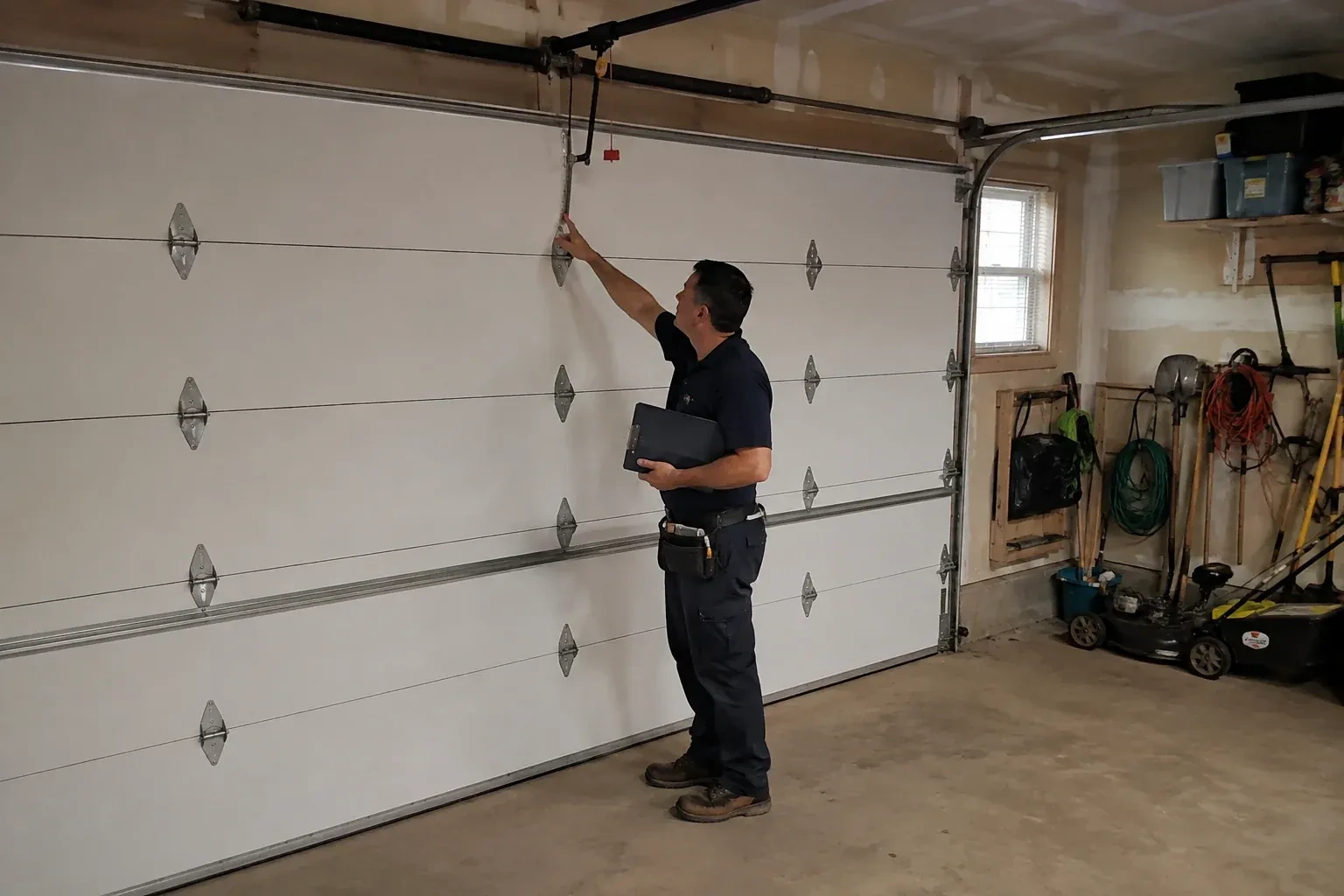
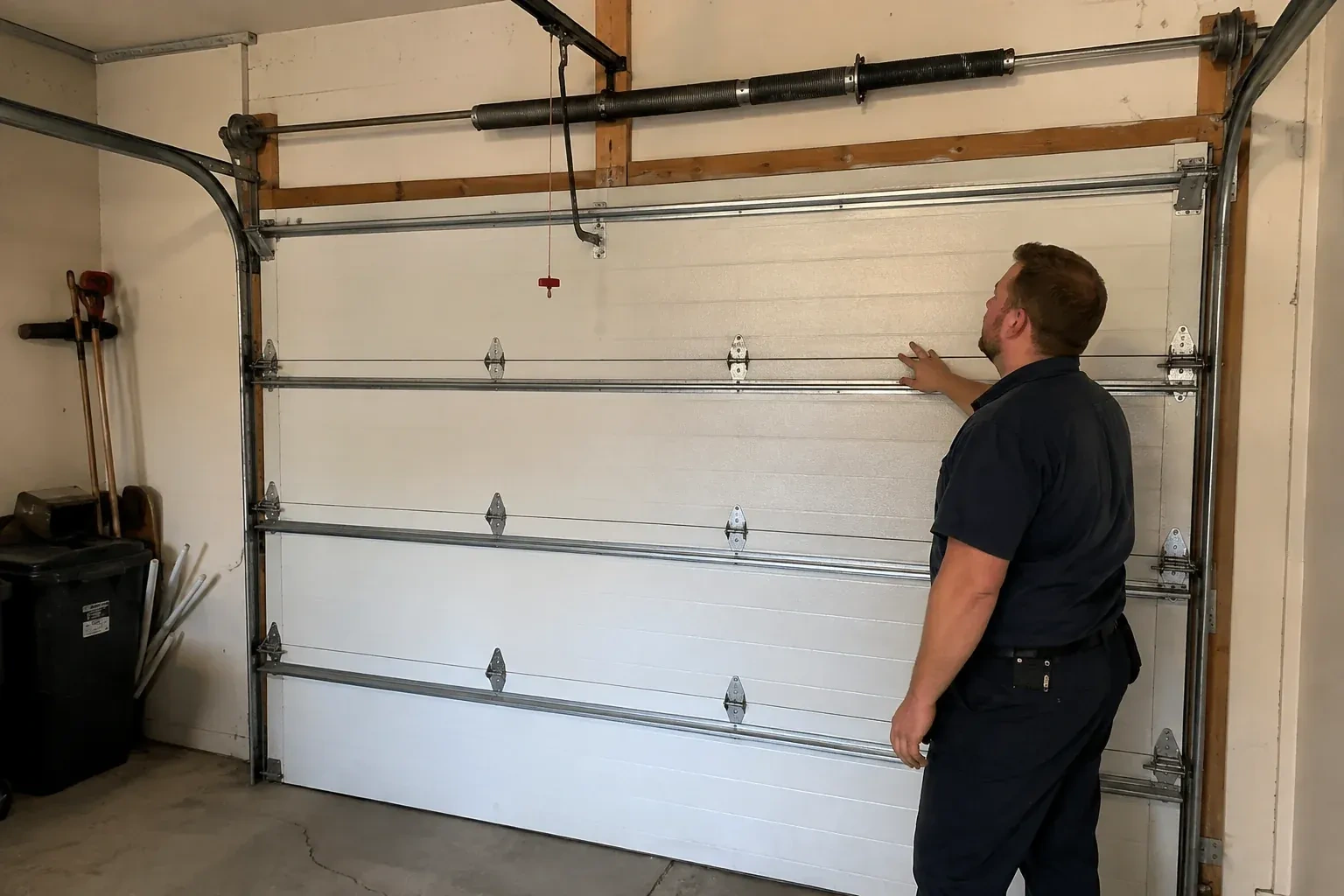
A walk-through of the door. You see what we see: the spring that has stretched, the cable that is fraying, the sensor that is knocked off line.
Care for what is stored. Bikes, tools, seasonal boxes and vehicles are moved or covered as needed, and put back where they were.
Choices that fit your plans. Selling next year, staying for decades or renting out: the right option depends on that, and we ask before advising.
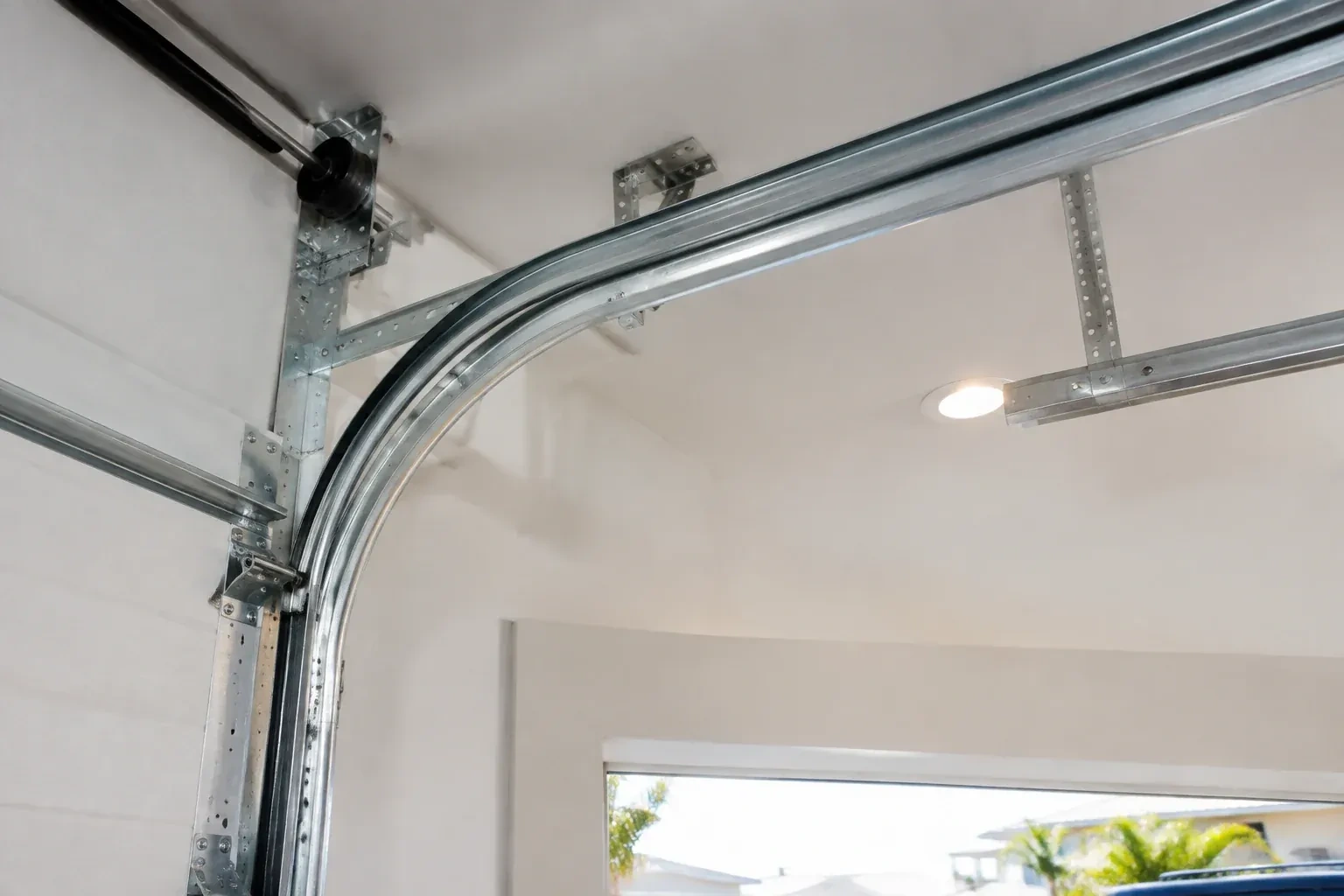
A garage door in Bramalea is really three systems working together: the door and its panels, the springs and hardware that carry the weight, and the opener that does the lifting. Our services are organised the same way, so you can find help for the part that is giving trouble.
About 23% of homes in Brampton were built in 1980 or earlier, according to the 2021 Census.
Newer homes
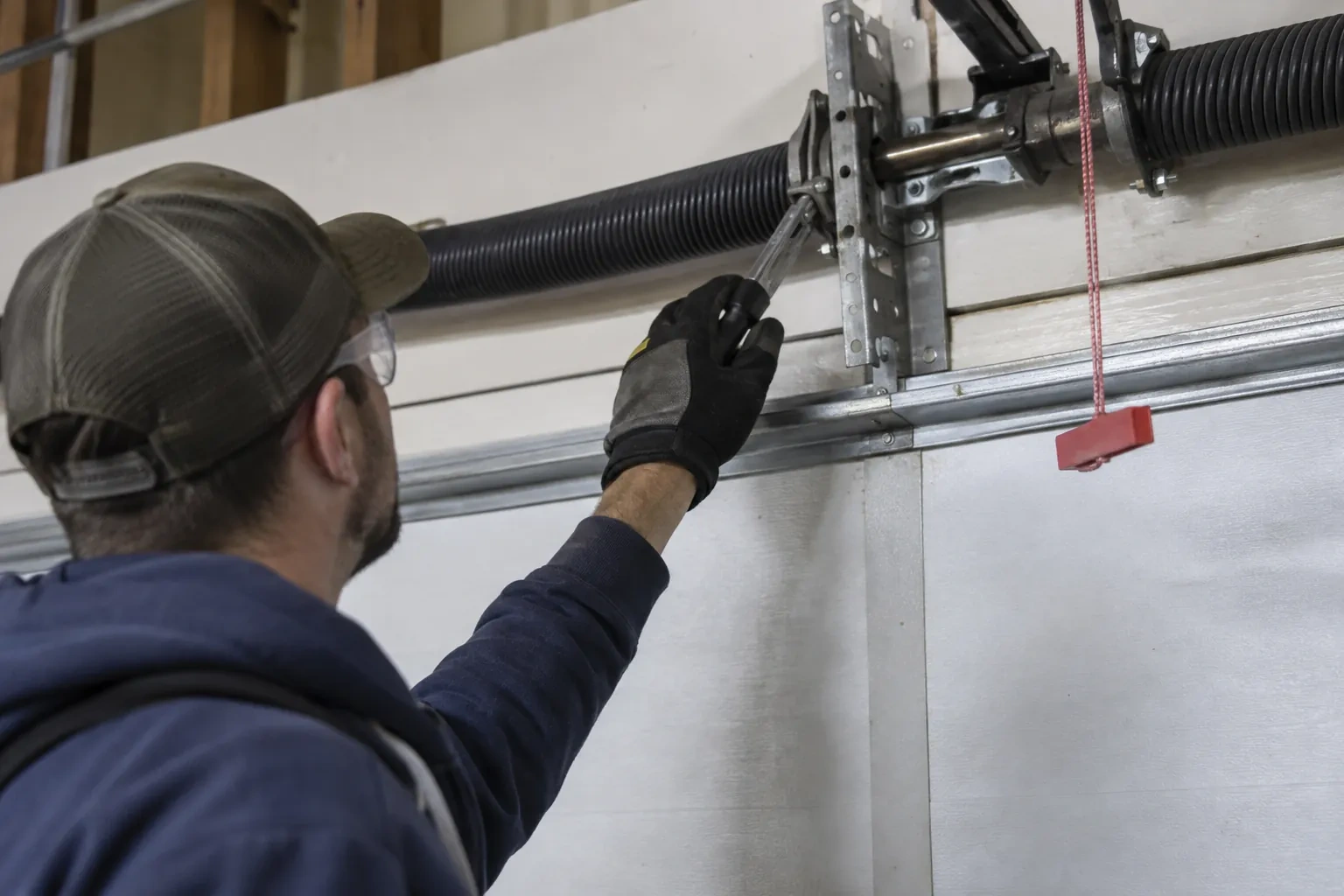
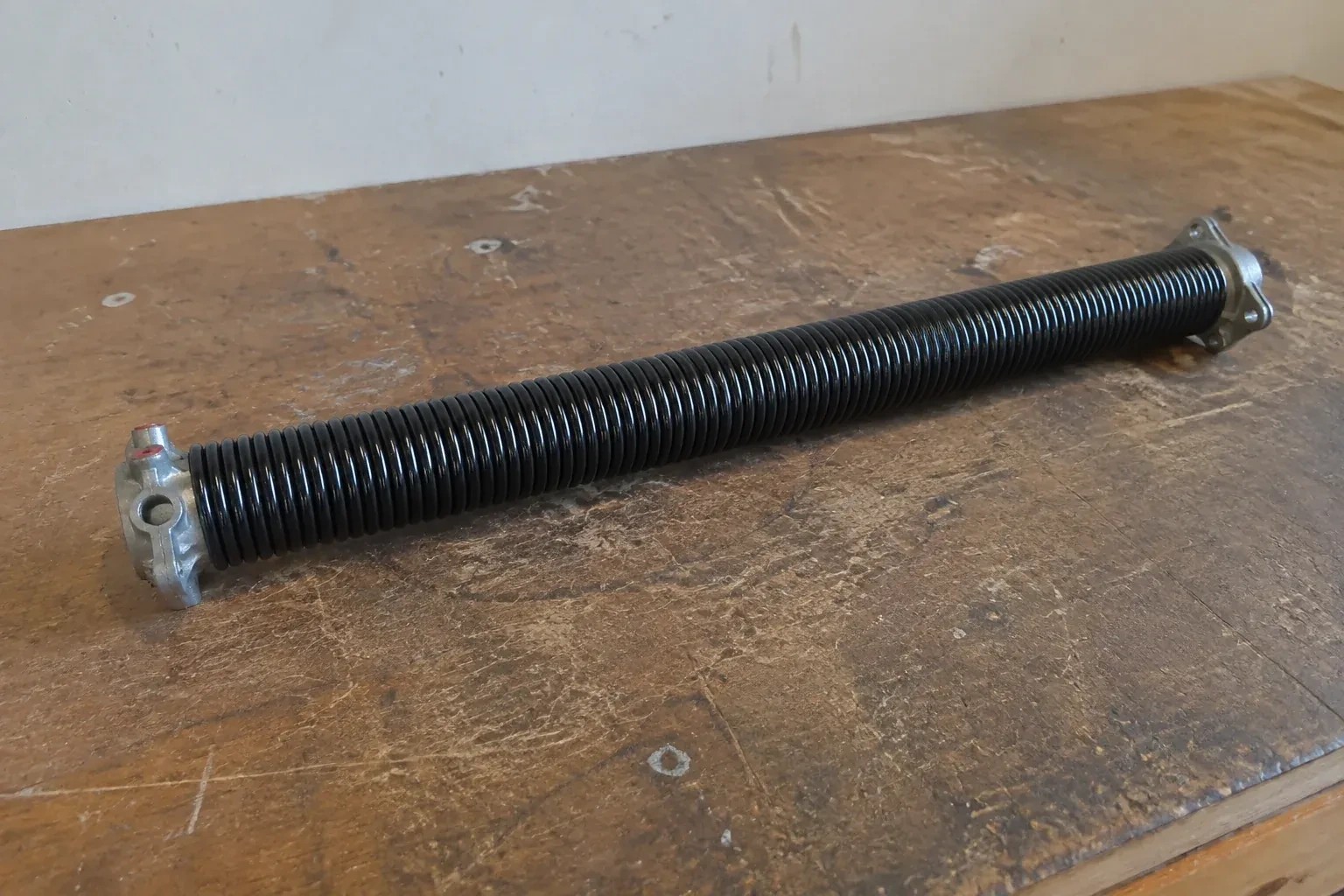
A newer door still under its first set of springs is a good candidate for preventive work: lubricating the torsion spring, checking the cable ends at the drums and confirming balance before the spring reaches its cycle limit, so the replacement is planned rather than forced by a broken spring.
Single-detached houses make up about 53% of homes in Brampton (2021 Census).
Where housing is varied, security needs vary too. A detached home wants its garage door closing fully and its interior door respected; a townhouse or condo wants old fobs and remotes cleared and the shared entrance working. We address whichever applies at each door.
Your toddler has discovered the wall button. You want to know, from someone who checks these things for a living, that the door will stop and reverse if a small person is under it.
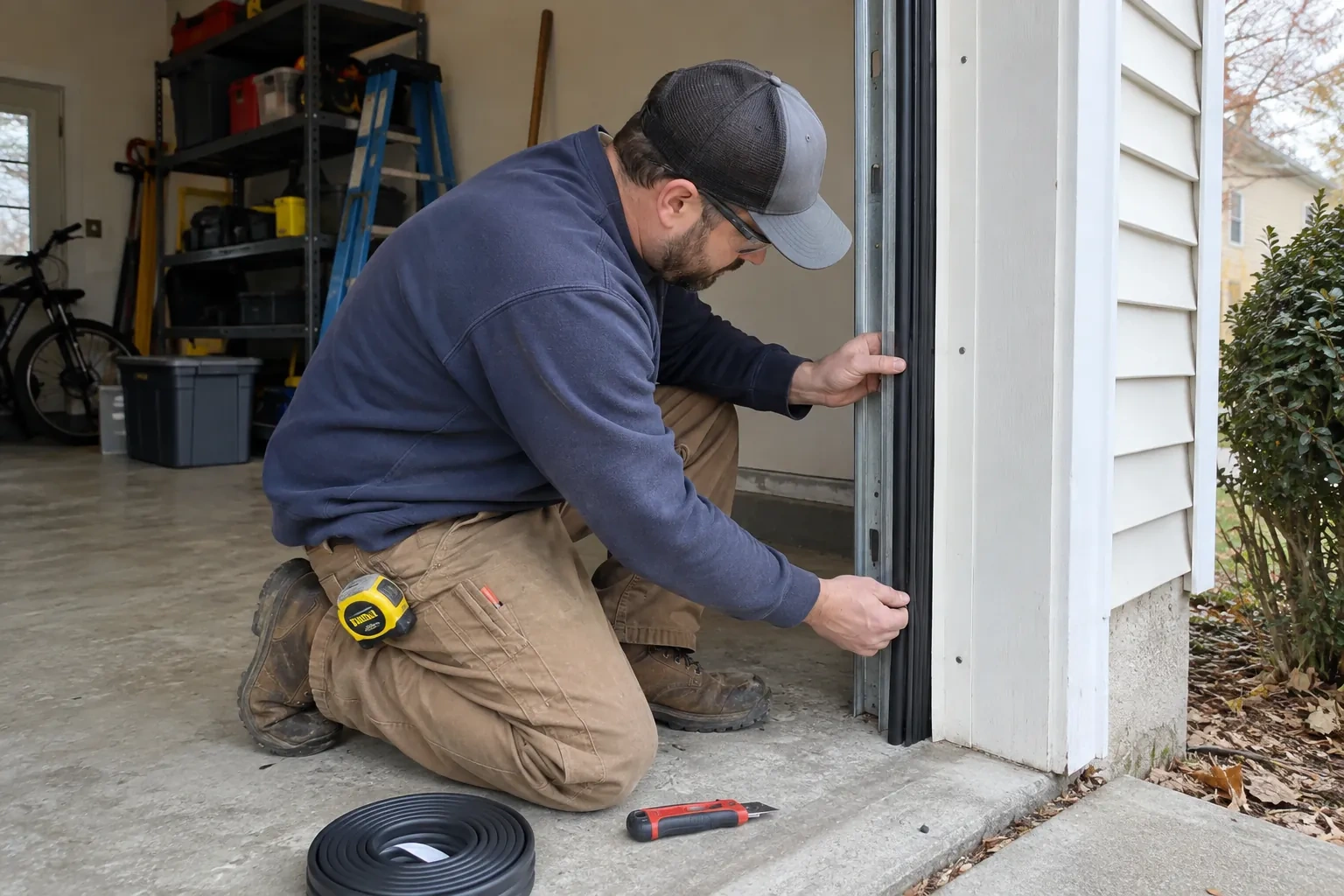
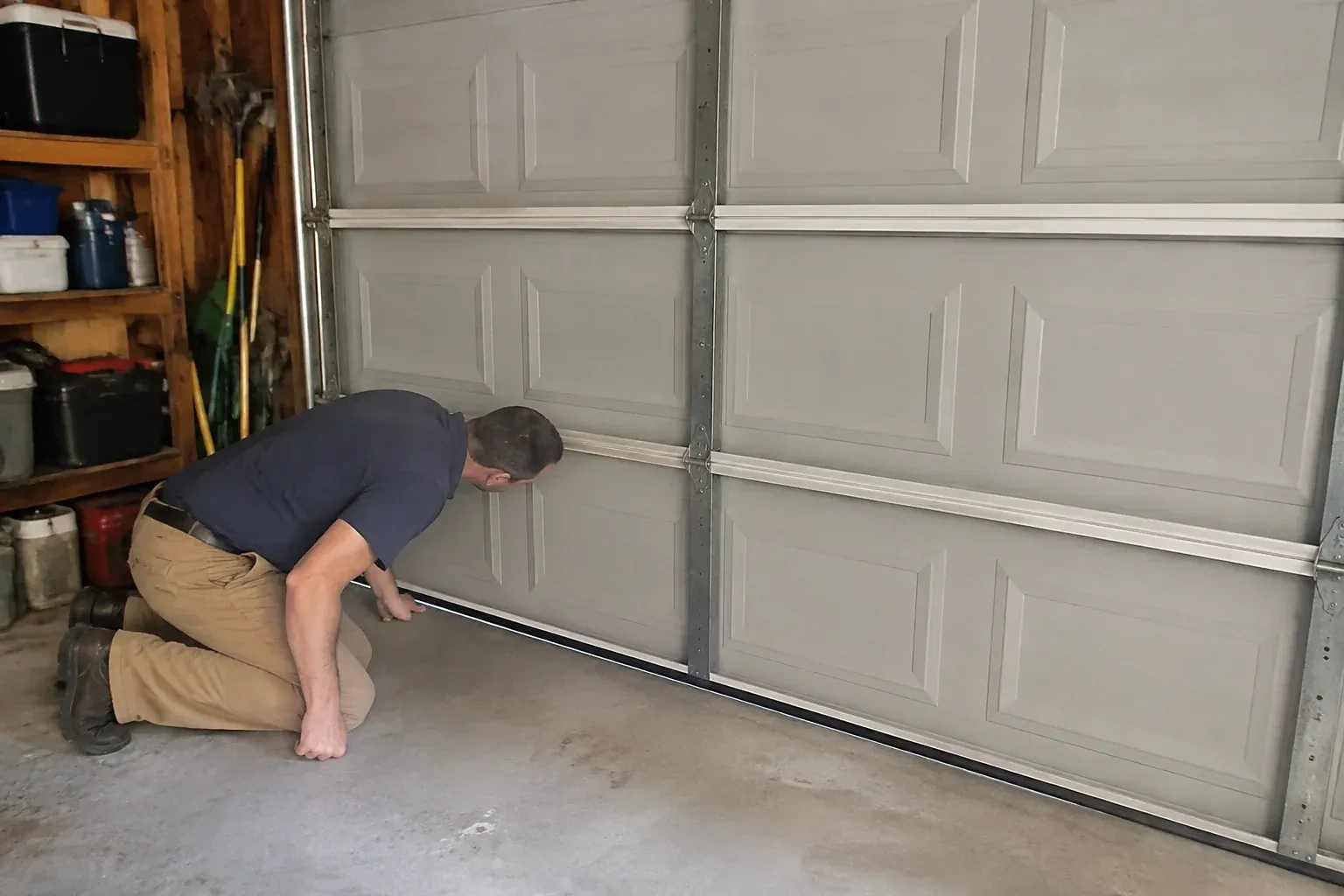
On windy nights the door rattles in its frame, there is a line of daylight along one side, and the bottom seal has gone hard and flat. Leaves and fine snow drift in underneath and the garage never seems to hold its temperature.
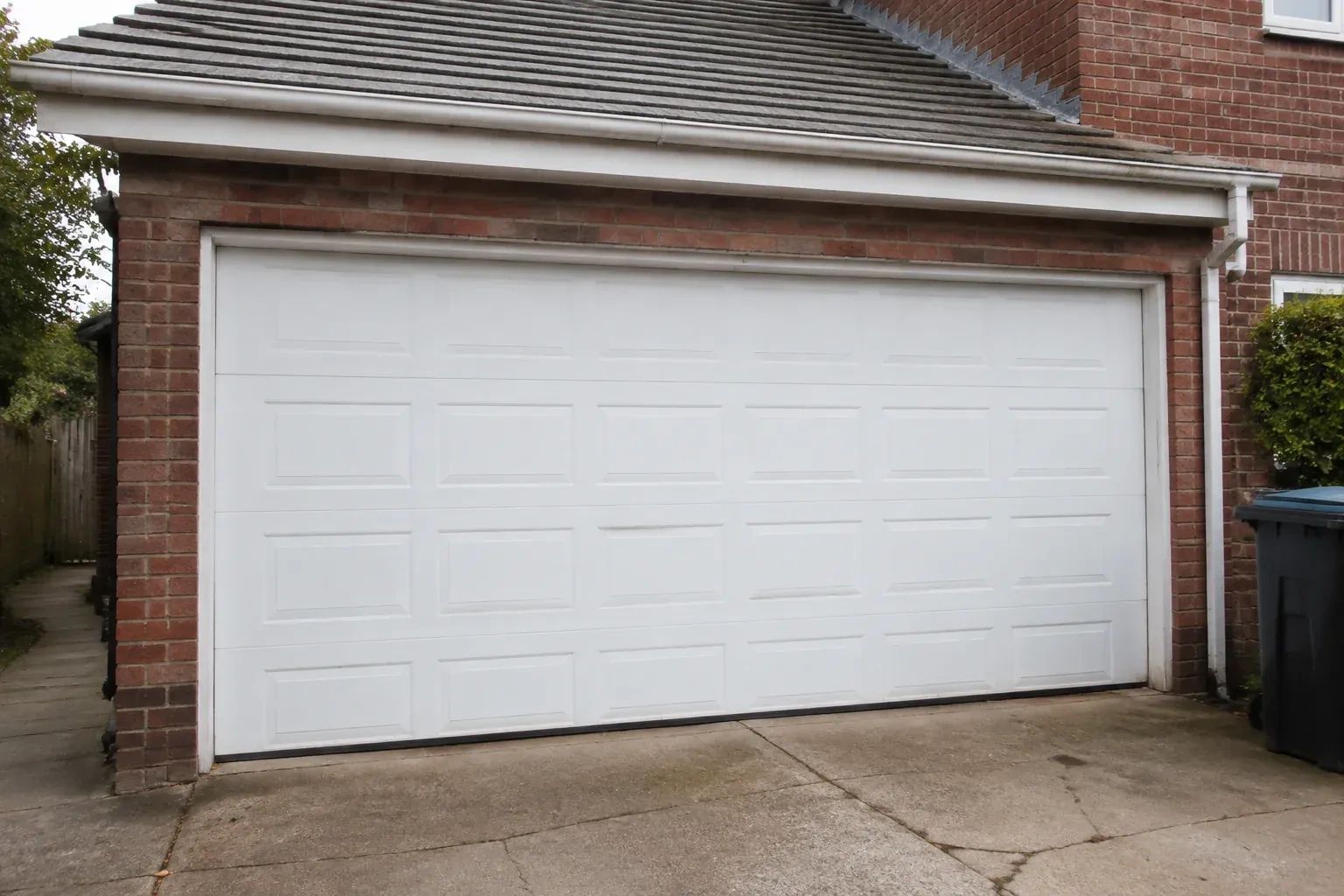
Years of slap shots have peppered the lower two sections with dents. Each one alone is small, but from the street the door looks tired, and the deepest dent near the centre has cracked the paint and shows bare steel.
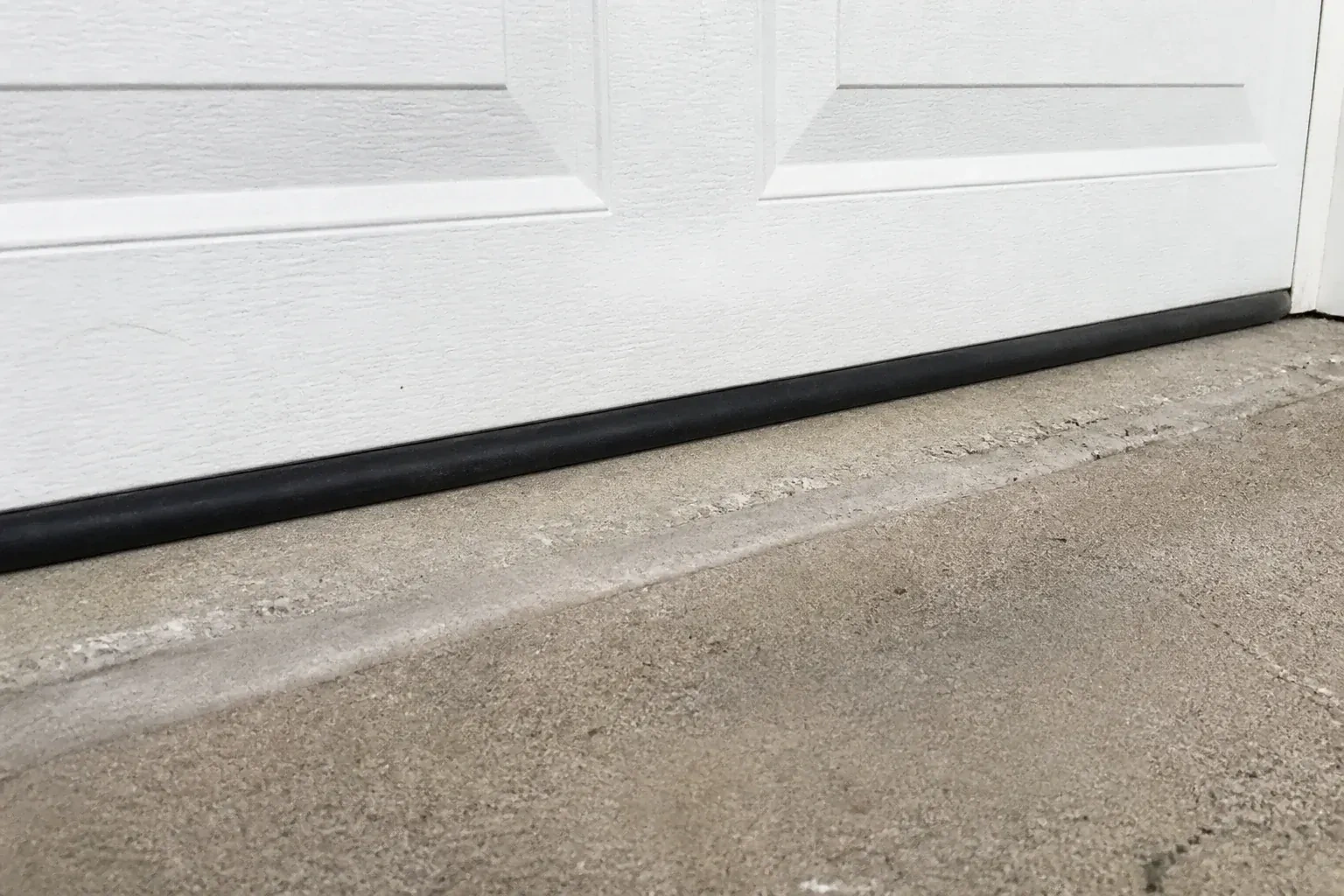
The strip under the door has gone as hard as a hose left out for ten summers. Press it and it does not give; bend it and it cracks. Where the door meets the floor it sits on the concrete without squashing at all.
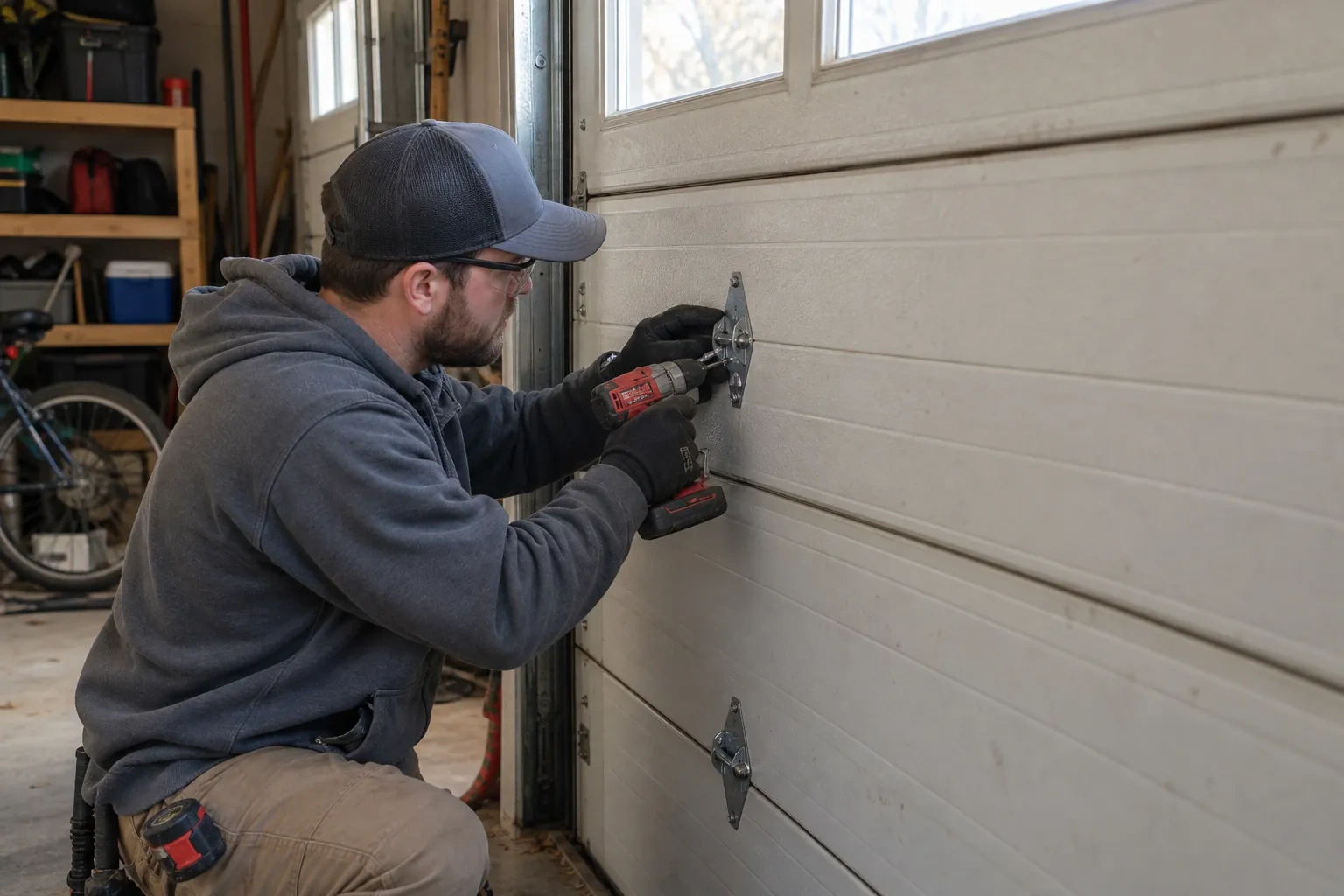
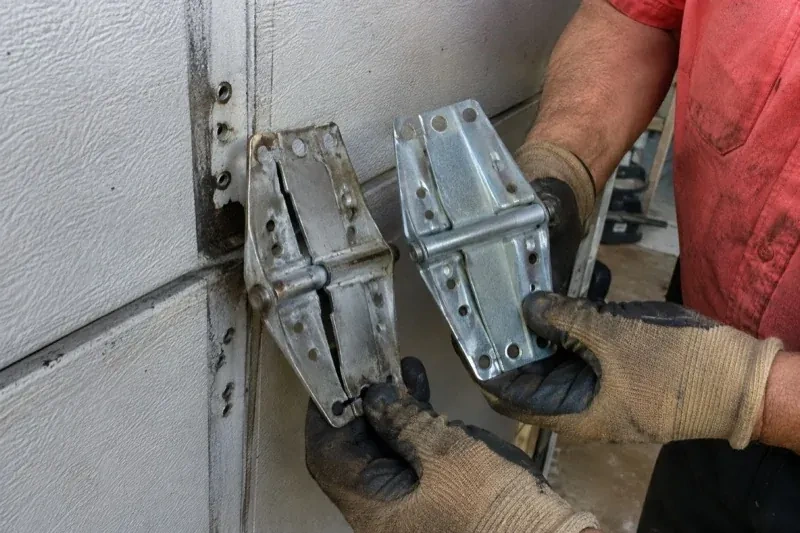
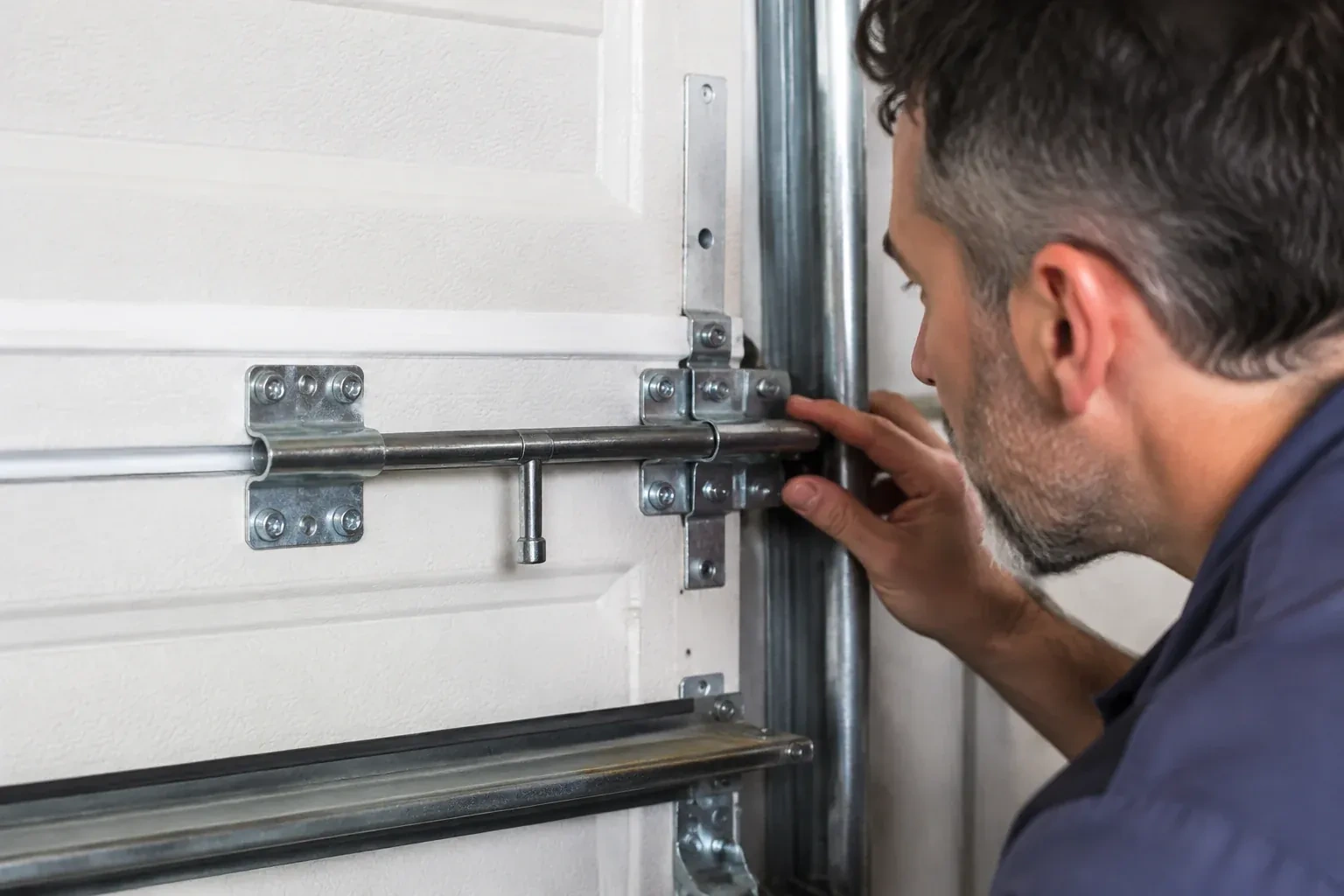
Pressing a hand against one of the middle hinges makes it rock on the panel. The screws turn and turn without ever tightening, and there is a rattle from that spot every time the door settles onto the floor.
The door went up as usual this morning, then stopped a third of the way with one corner higher than the other. It is wedged at an angle in the opening, the opener is humming, and nothing you press will move it.
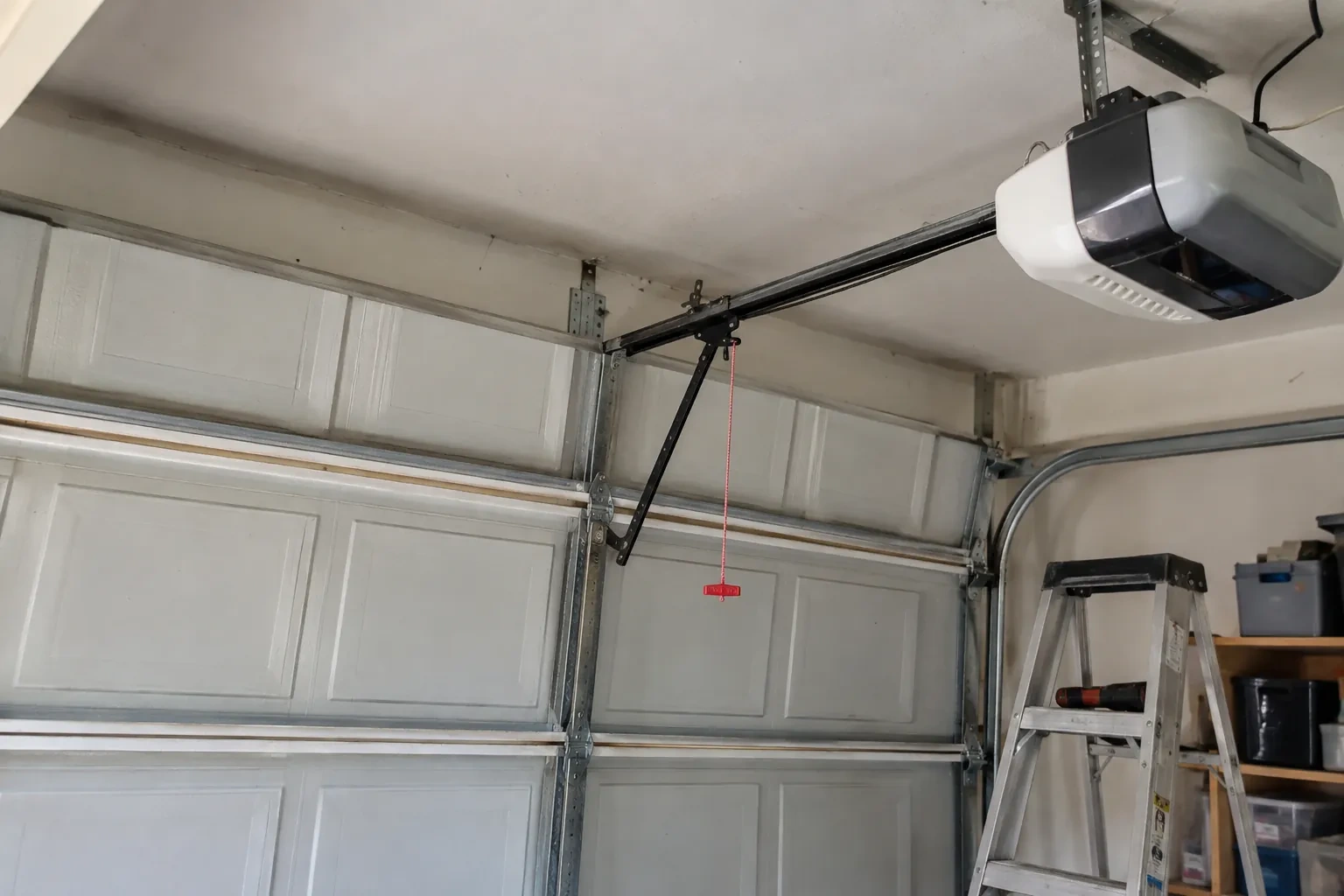
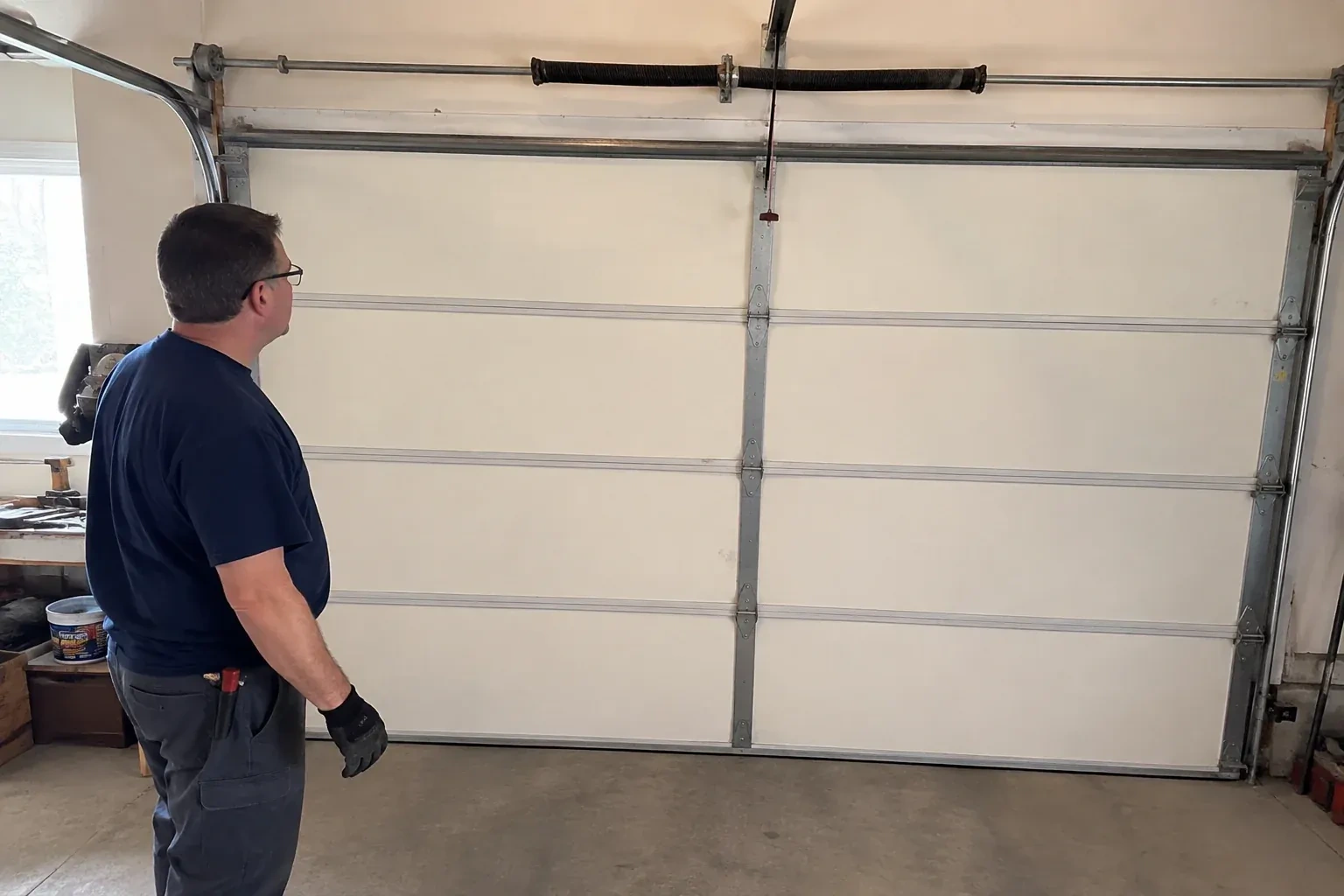
You pulled the red cord to open the door during a power cut and it barely moved. Lifting it took your whole weight, and when you let go it came down hard. It used to float up with one hand.
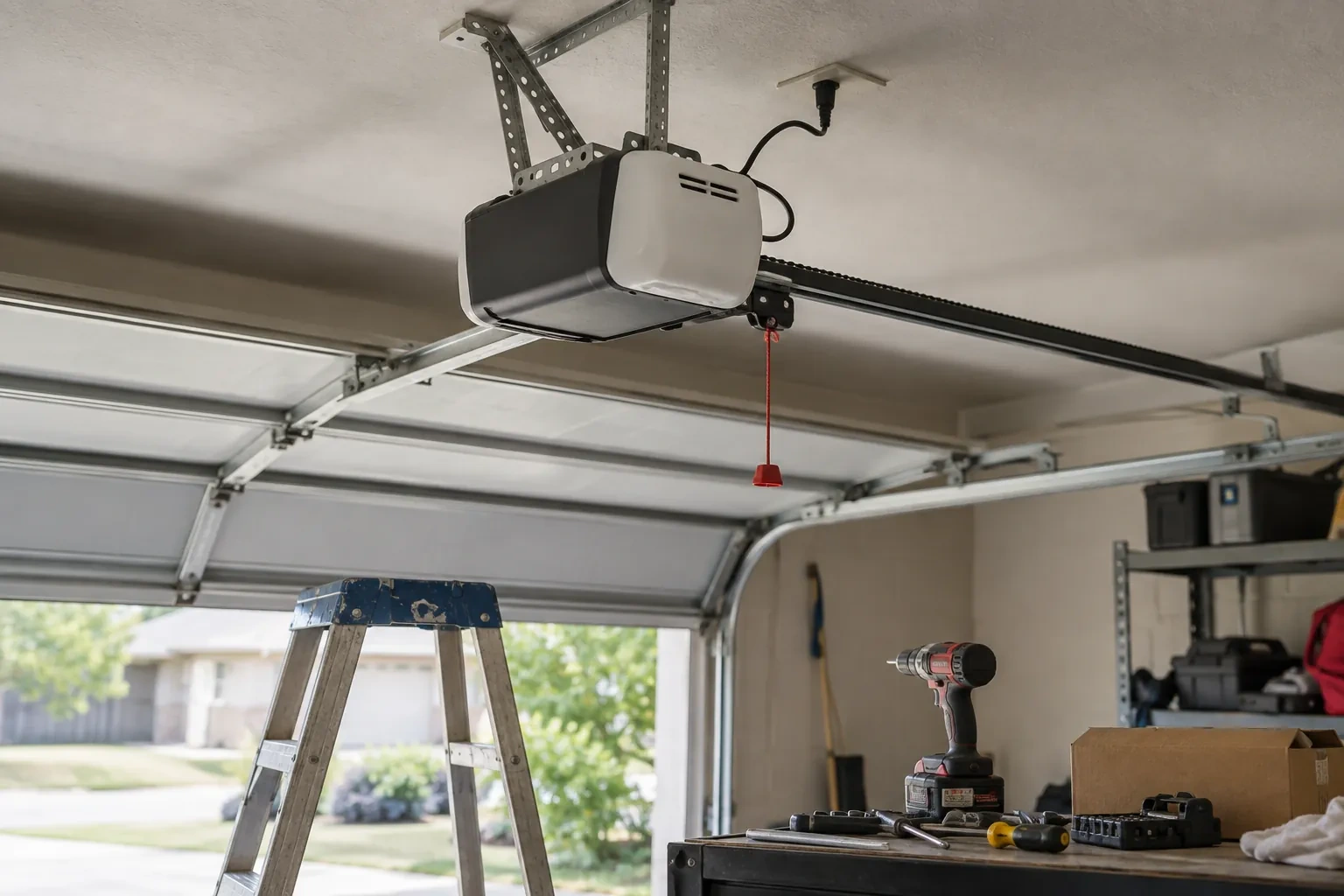
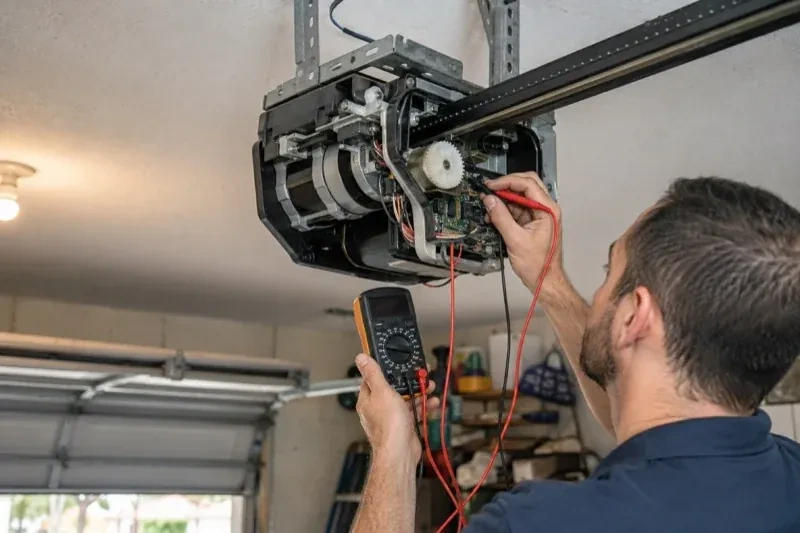
Press the button and the motor hums, but the door stays exactly where it is. Under the housing there is a dusting of white plastic shavings, the sign of a stripped drive gear, and this is the second time it has happened.
The labelled rolling fire door still moves from its control, yet the release assembly and closing path were disturbed during nearby work. The facility needs the repair and return-to-service record handled as a fire-door scope.
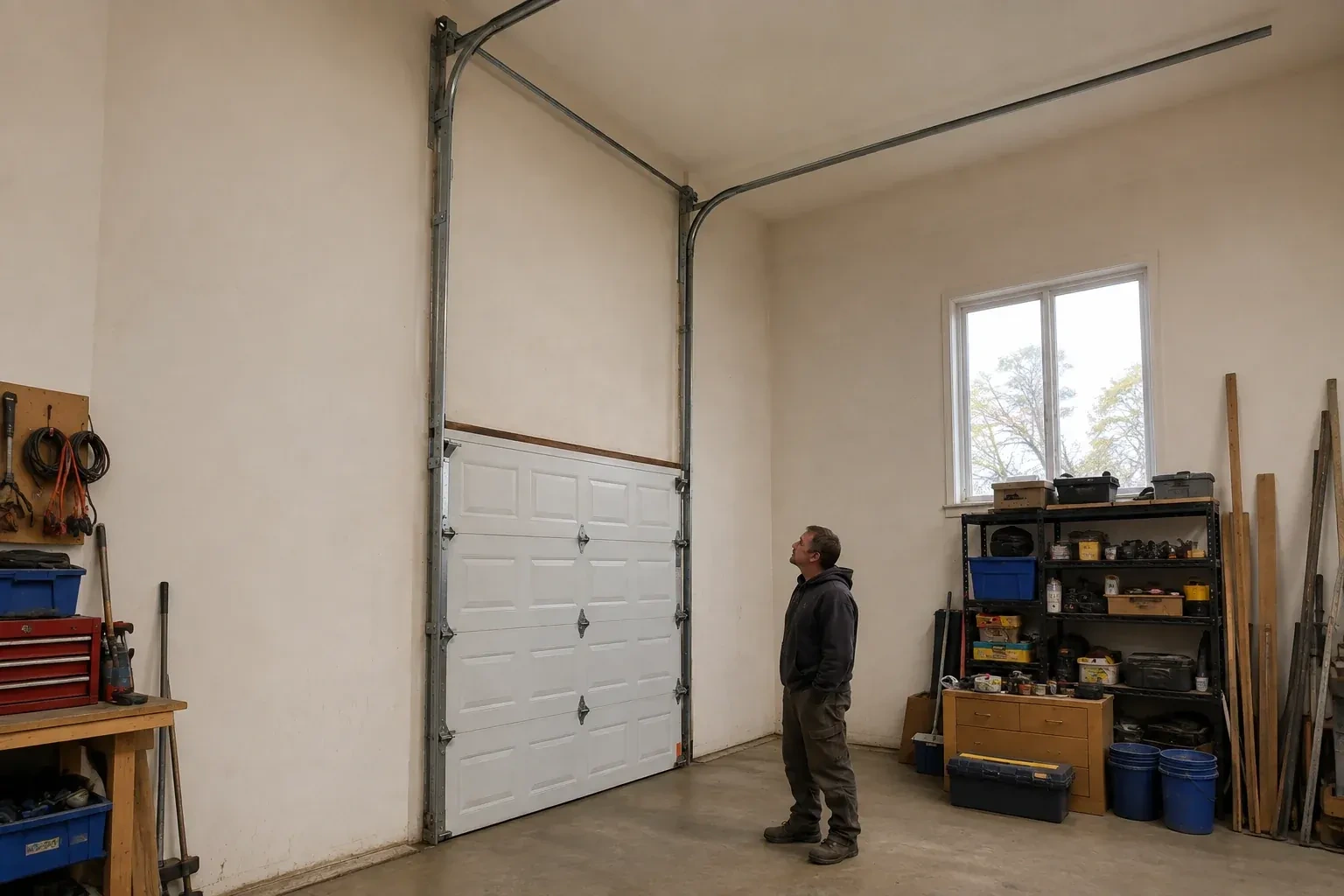
The door works well, although the open panels sit far beneath a sloped or raised ceiling. You are exploring whether the track, counterbalance and operator can be redesigned to follow the room more closely.
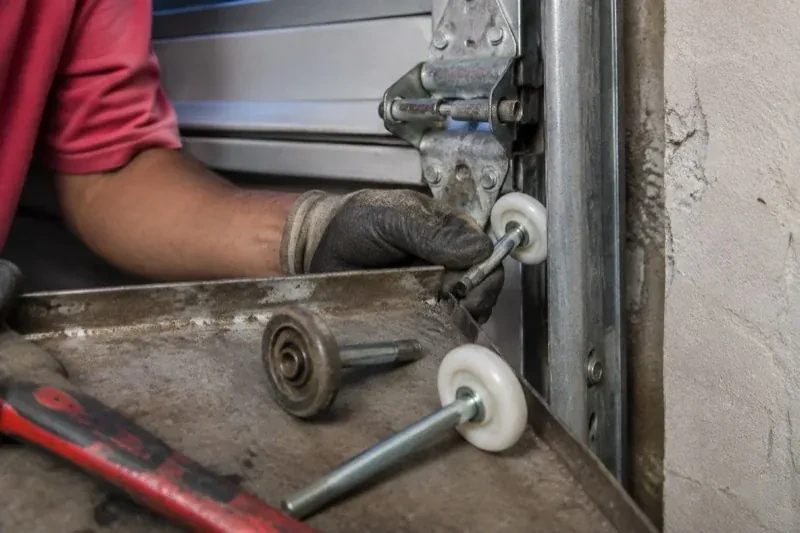
Hinges hold the sections together and let them fold around the curve of the track. When they crack or wear oval, the door binds and the panels begin to separate. We replace them by position and gauge so the door folds cleanly again.
Homeowners come to this group for two reasons: the door has failed, or the door is fine and they want something better. Either way, the process is the same measured, unhurried installation with hardware matched to the new door.
WhyThe bottom seal, called an astragal in the trade, is the flexible strip along the underside of the lowest door section that squashes against the floor when the door closes.
Pressing a hand against one of the middle hinges makes it rock on the panel.
Whether the door is single or double and roughly how tall; whether there is a spring on a shaft above the opening or springs along the tracks; the opener make if you can see it; how many doors need looking at; what prompted the call and when it began; and whether anything happened to the door lately. A photo of the opener label and of the spring area is a useful extra.
What does a garage door tune-up actually include?
A full cycle observed before any work, a hands-on inspection of hinges, rollers, tracks, springs, cables, drums, brackets and the opener's attachments, tightening of the accessible fasteners, lubrication of the moving points with a garage door lubricant, a balance check with the door disconnected from the opener, adjustment of the opener's travel and force, cleaning and alignment of the photo-eyes, both reversal tests, a look at the seals, and a written record of the findings.
Can one damaged section be replaced without replacing the whole door?
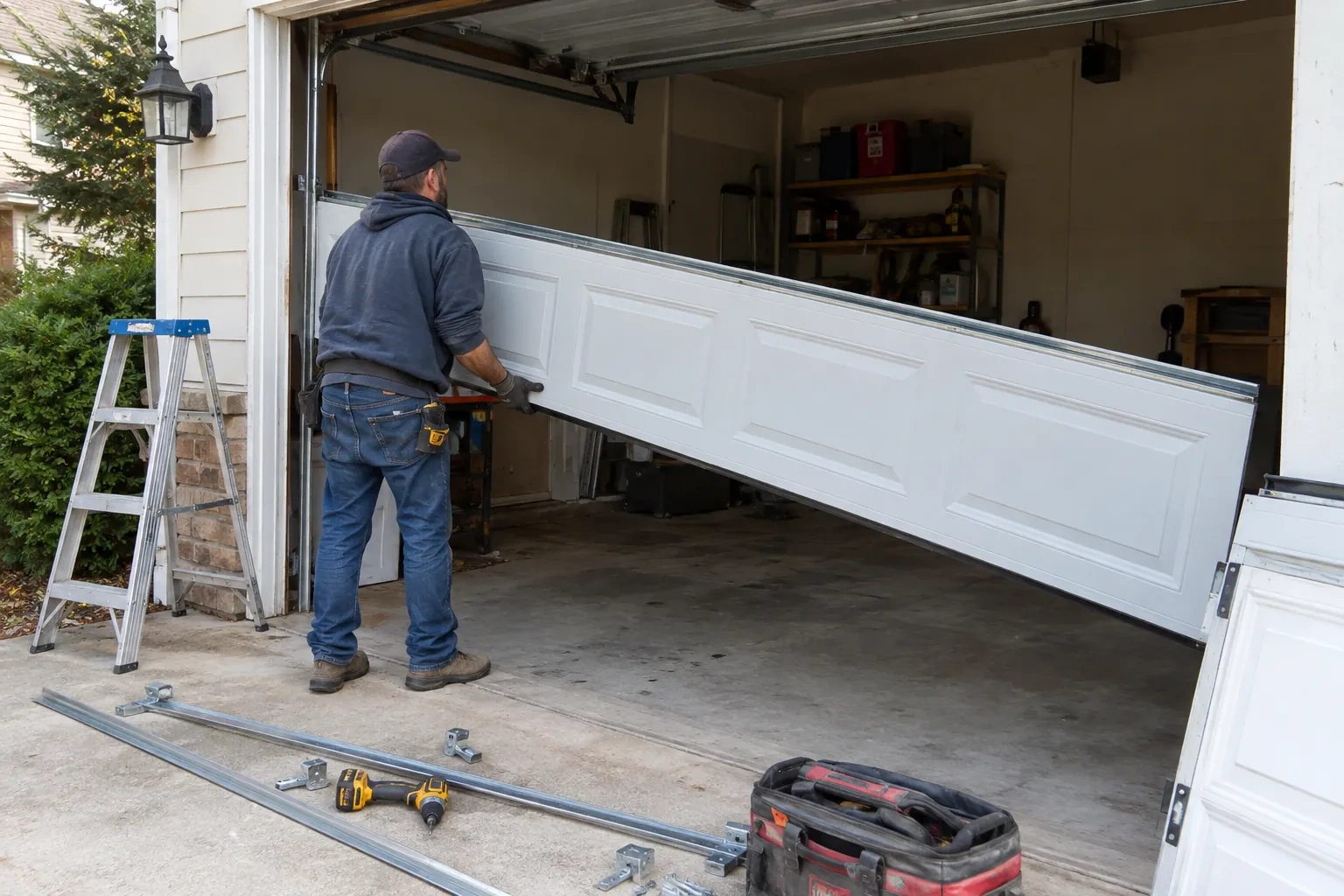
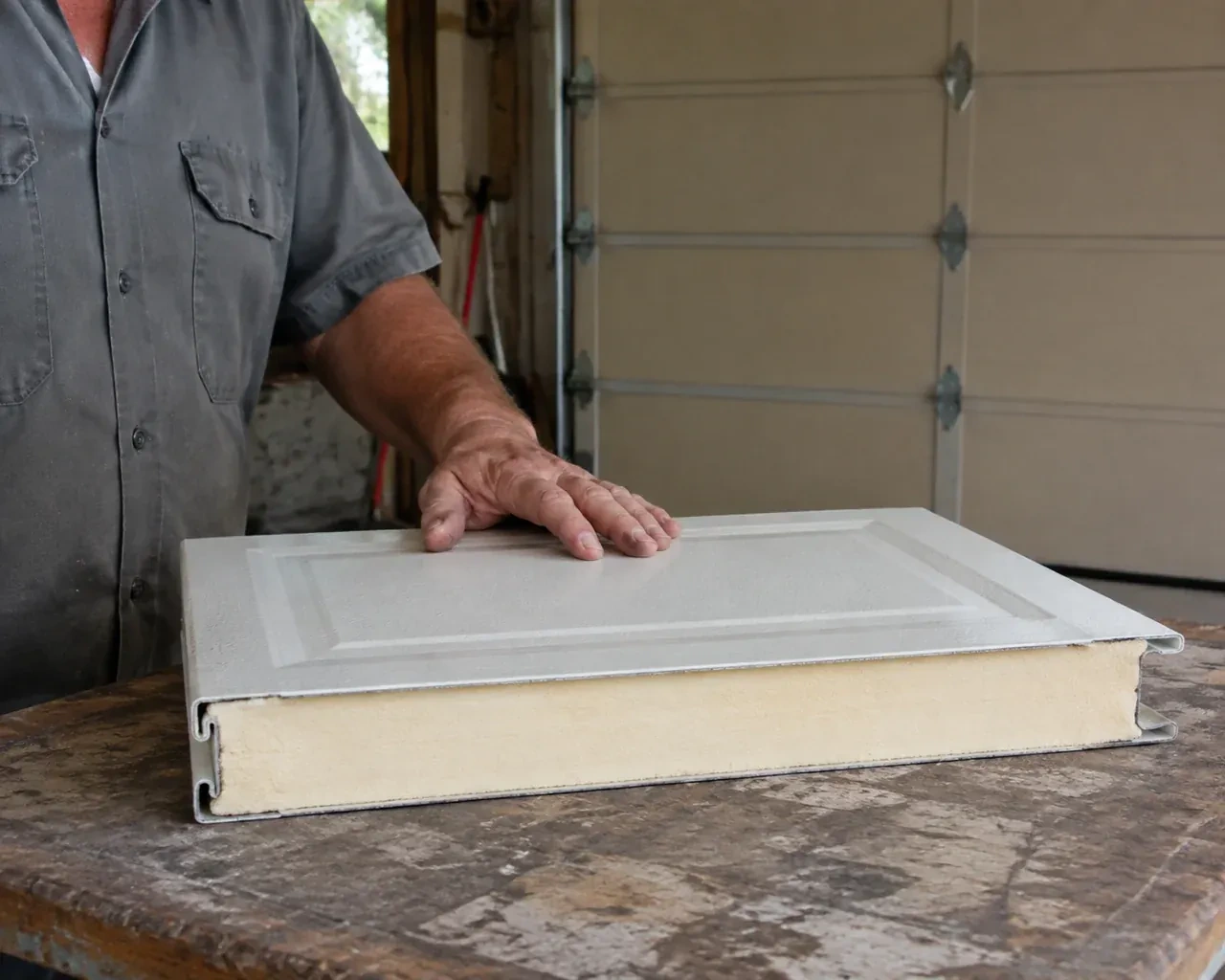
Usually, yes. A sectional door is built from separate sections joined by hinges, so a single creased, rusted or cracked section can be unhinged and exchanged while the others stay in place. The conditions are that a section for your make, model and size is still available and that the rest of the door and its hardware are in good order. When damage spans several sections or the design is discontinued, a full door is compared alongside.
How long does a bottom seal last?
Several years is typical, with the range set by exposure. A door facing south or west, a threshold that is wet and salted all winter, and a seal that freezes to the floor a few times a season all shorten the life. A shaded door on a dry slab with a wipe of silicone each autumn can go much longer. The condition of the strip, rather than its age, is what to watch.
Can a light bump from the car damage a hinge?
Yes, more often than people expect. The bottom two panels take the contact, and the edge hinge at that joint bends along with the stile behind it, so the panel edges rub and the roller leans. The damage sometimes only shows as a new squeak at the curve. The technician straightens or renews the stile, fits a new hinge and roller, and checks the strut and track on that side.
Do I need new cables when the springs are replaced?
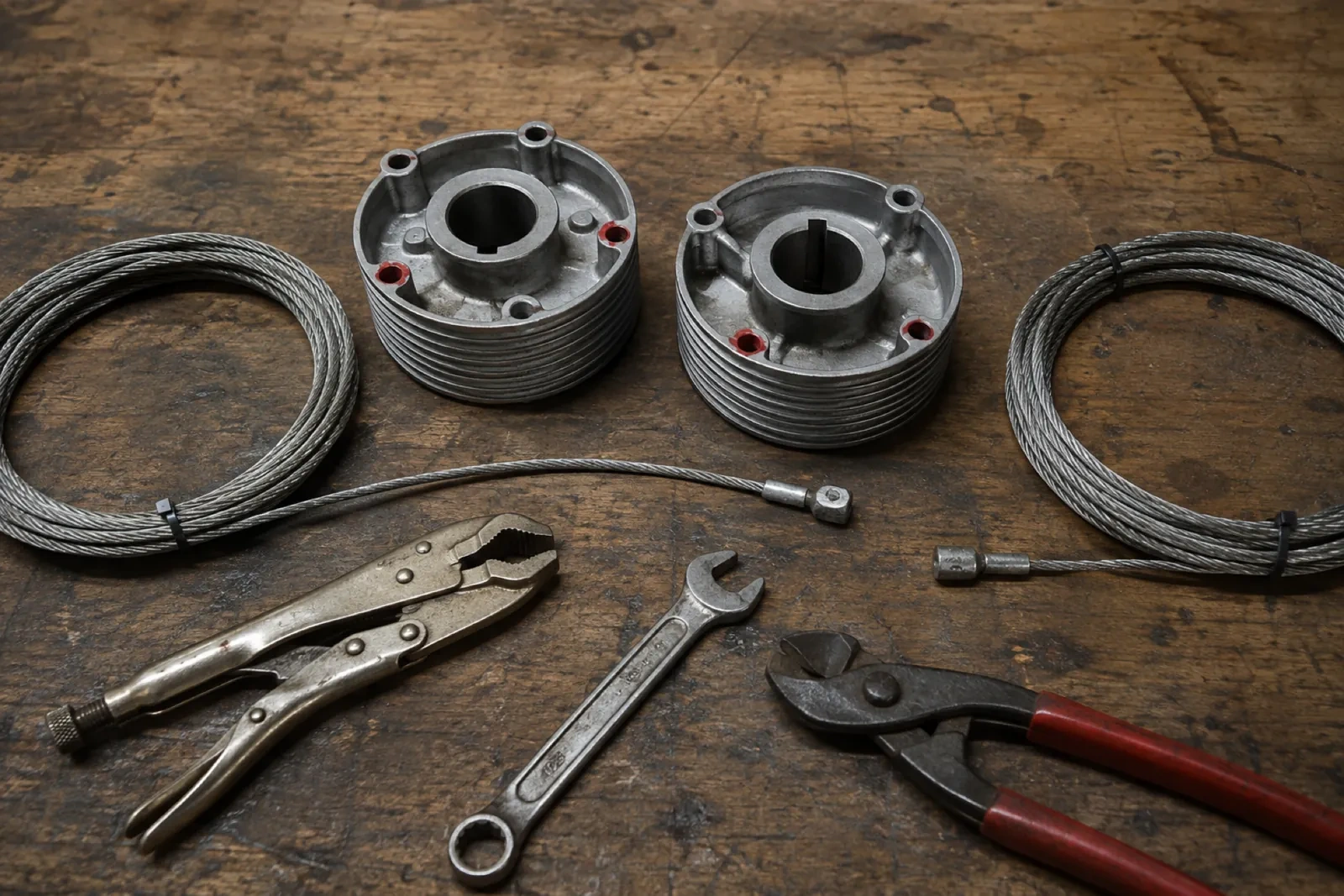
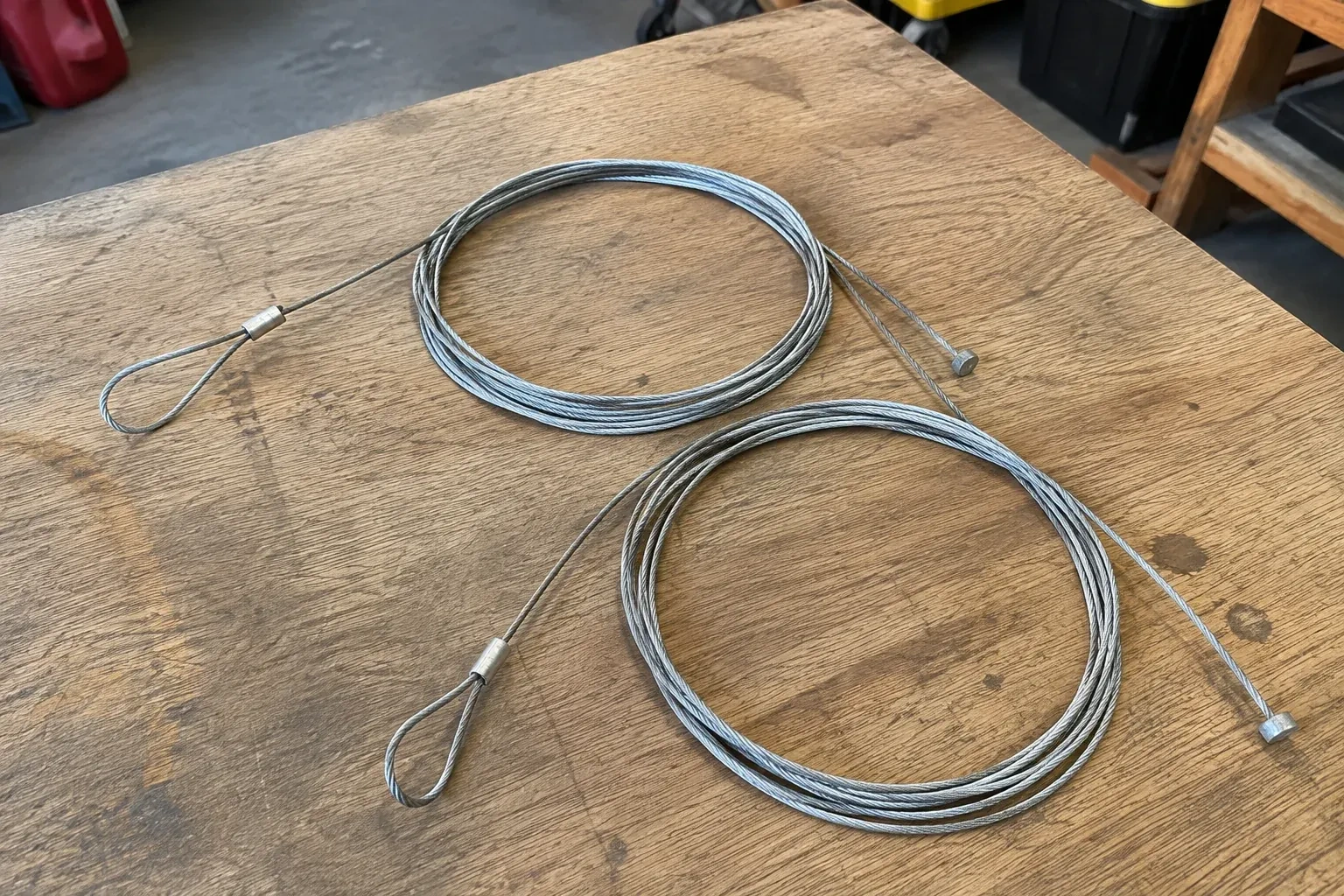
Often it is sensible. Cables and springs are similar in age, and with the counterbalance already unloaded the extra work of fitting new cables is small. The technician inspects them and advises: cables with bright, tight strands and clean loops can stay and simply be re-tensioned, while cables with any fraying or rust at the bottom are better renewed now than in a separate visit later.
Why does the door slam down the last bit?
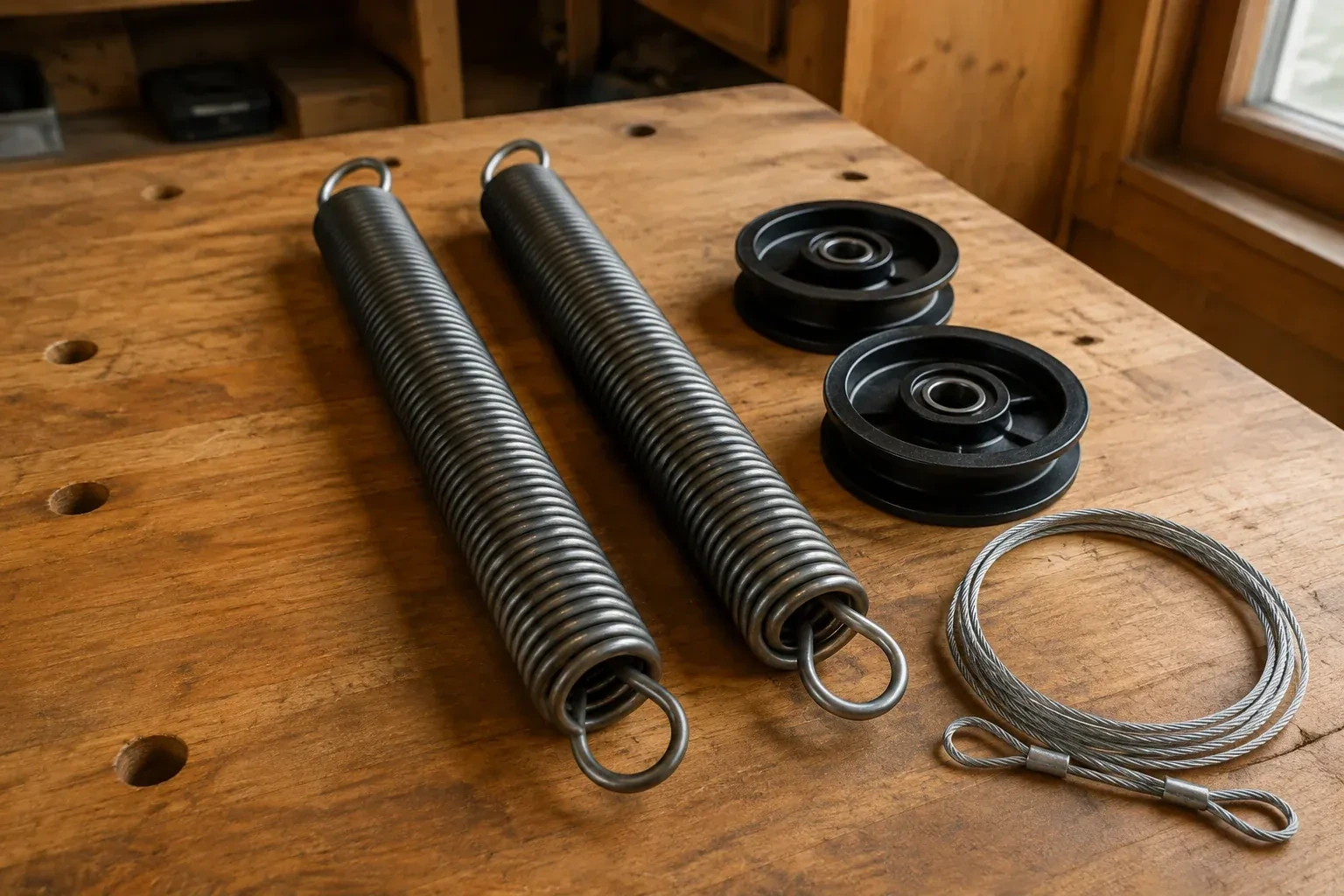
A door that drops the final stretch is telling you the springs are no longer holding it. As an extension spring loses its temper it gives less pull near the bottom of travel, where the door needs the most support, so the door falls that last foot. Fresh springs matched to the door's weight bring the door down under control and take that shock off the bottom section and the opener.
Will a new opener make the door quieter?
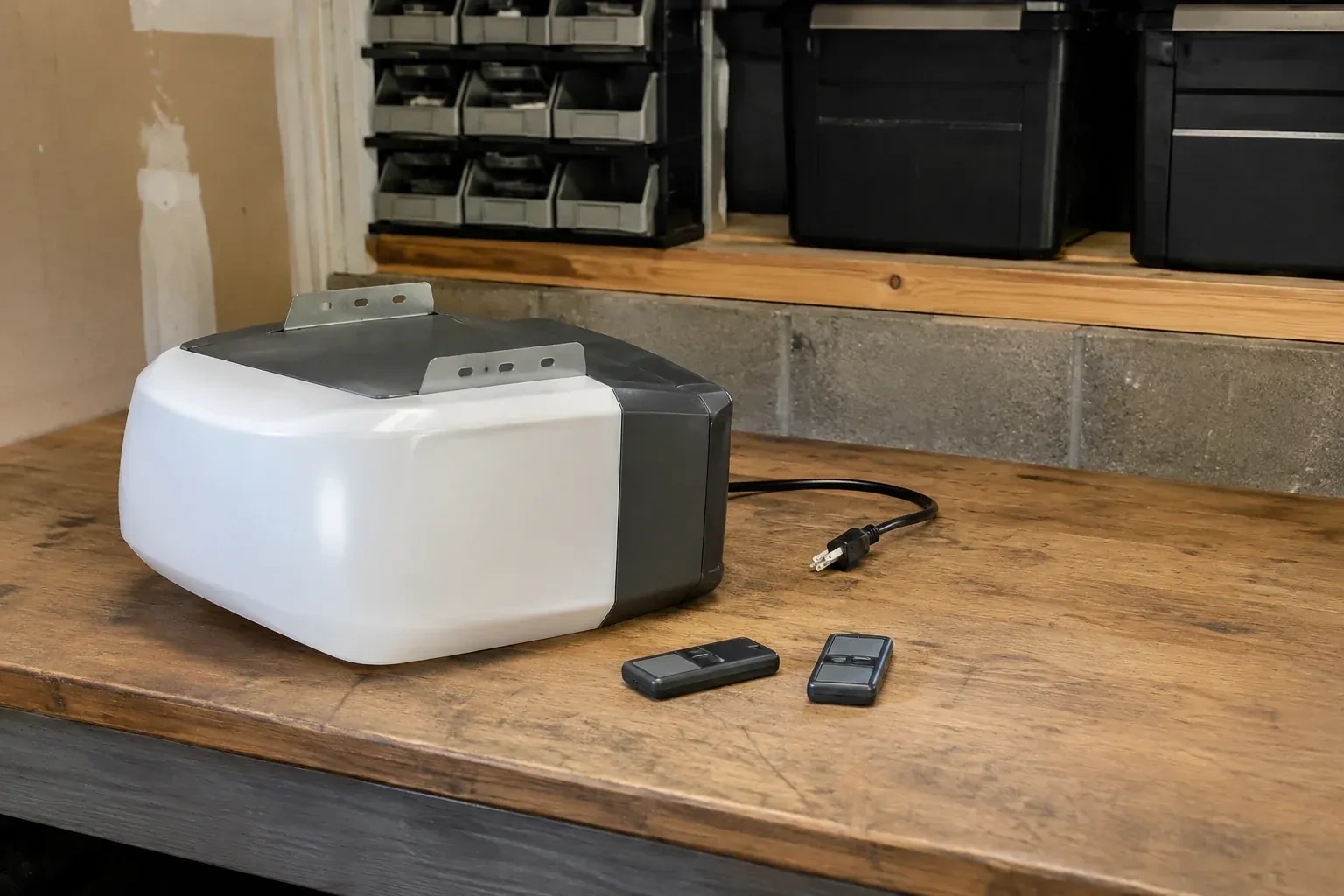
A belt or direct drive with a soft-start DC motor removes most of the operator's own noise, and a level, well-tensioned rail removes the rattle. The door contributes its own sound through rollers, hinges and springs, so the technician looks those over during the balance check and can fit nylon rollers or fresh hinges at the same time. Together the two changes turn a morning rumble into a hum.
How often should a commercial rolling door be inspected?
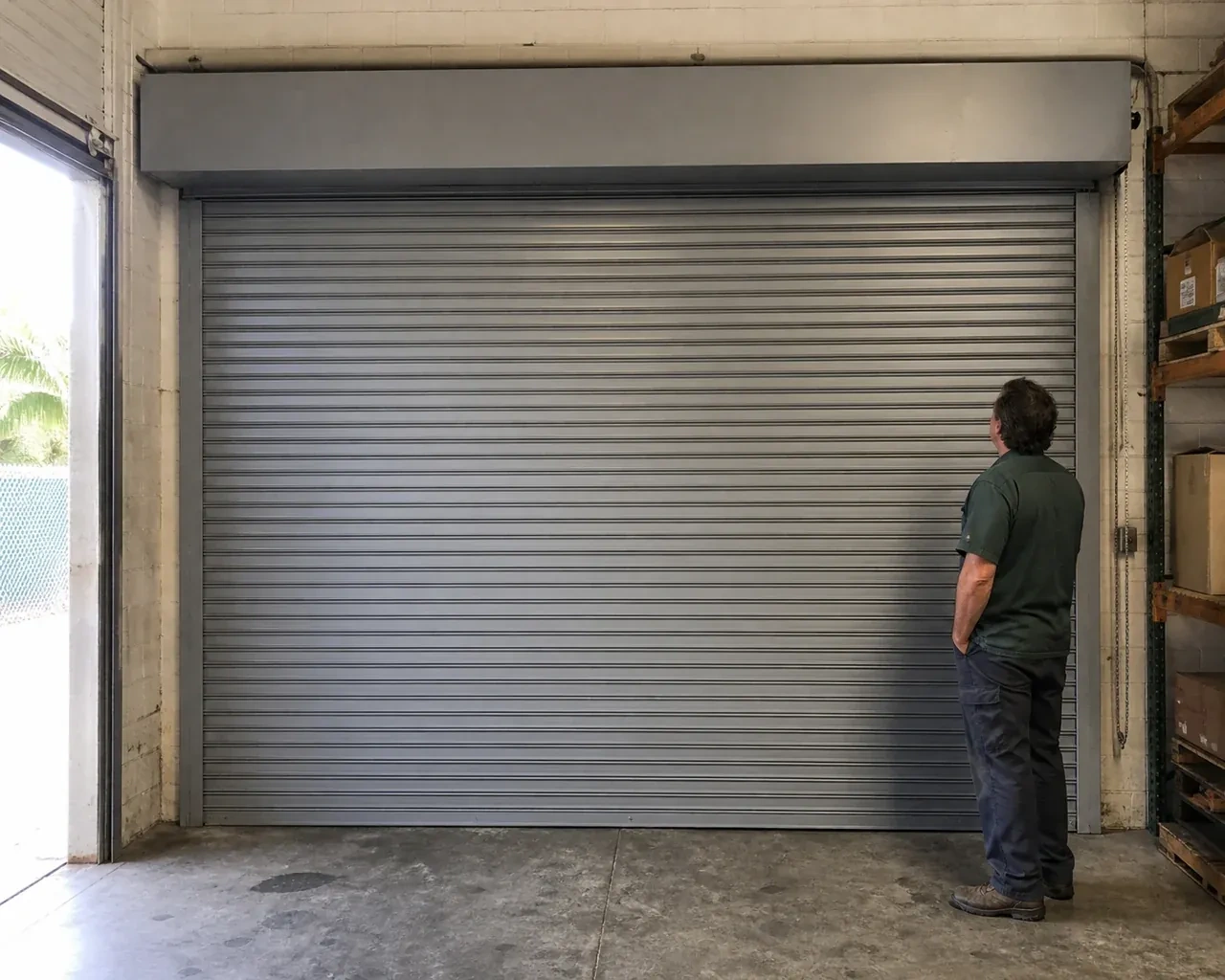
Follow the door and operator manufacturers' intervals, adjusted for cycle count, exposure, impacts and facility conditions. Industry guidance supports periodic technician inspection at least annually for rolling doors, while a labelled fire door also follows the applicable fire-safety inspection and testing requirements. Visible facility checks between visits help identify changes early.
What should be moved before the installation visit?
Clear vehicles, shelving contents, loose tools and stored items from the opening, side walls and overhead work zone identified during assessment. Provide access to power controls and the operator. If a vehicle lift is already present, leave it in the agreed position and share its operating dimensions. A tidy bay supports safe equipment placement and accurate alignment work.
Request a visit
In Bramalea we have found that most people simply want to understand what happened to their door. So the technician explains as he goes: why the spring broke, what a balanced door feels like, how the sensors work. You end up knowing your door better and knowing what to listen for next time.