Springs · Brampton
Torsion Spring Replacement
One side of the door sits higher than the other in the tracks, and a lift cable is hanging slack or has jumped off its drum.
In plain words
On a door with two springs, replacement usually starts with a conversation about scope. Both springs have completed the same number of cycles, so when one breaks the other is typically close behind, and replacing the pair together gives the door two matched springs sharing the load evenly. The technician explains what the installed system is, how each spring is loaded and what the door's weight calls for, then fits and winds the springs as a set. The result is a balanced door with a fresh cycle life on both sides rather than a repair that may be repeated soon.
How the visit goesThe door drops the last stretch to the floor rather than settling, and when you stop it halfway by hand it slides down instead of staying put. Balance has drifted, and the spring is no longer holding its share of the weight.
Torsion Spring Replacement
How the visit goes
Making the door safe to work on
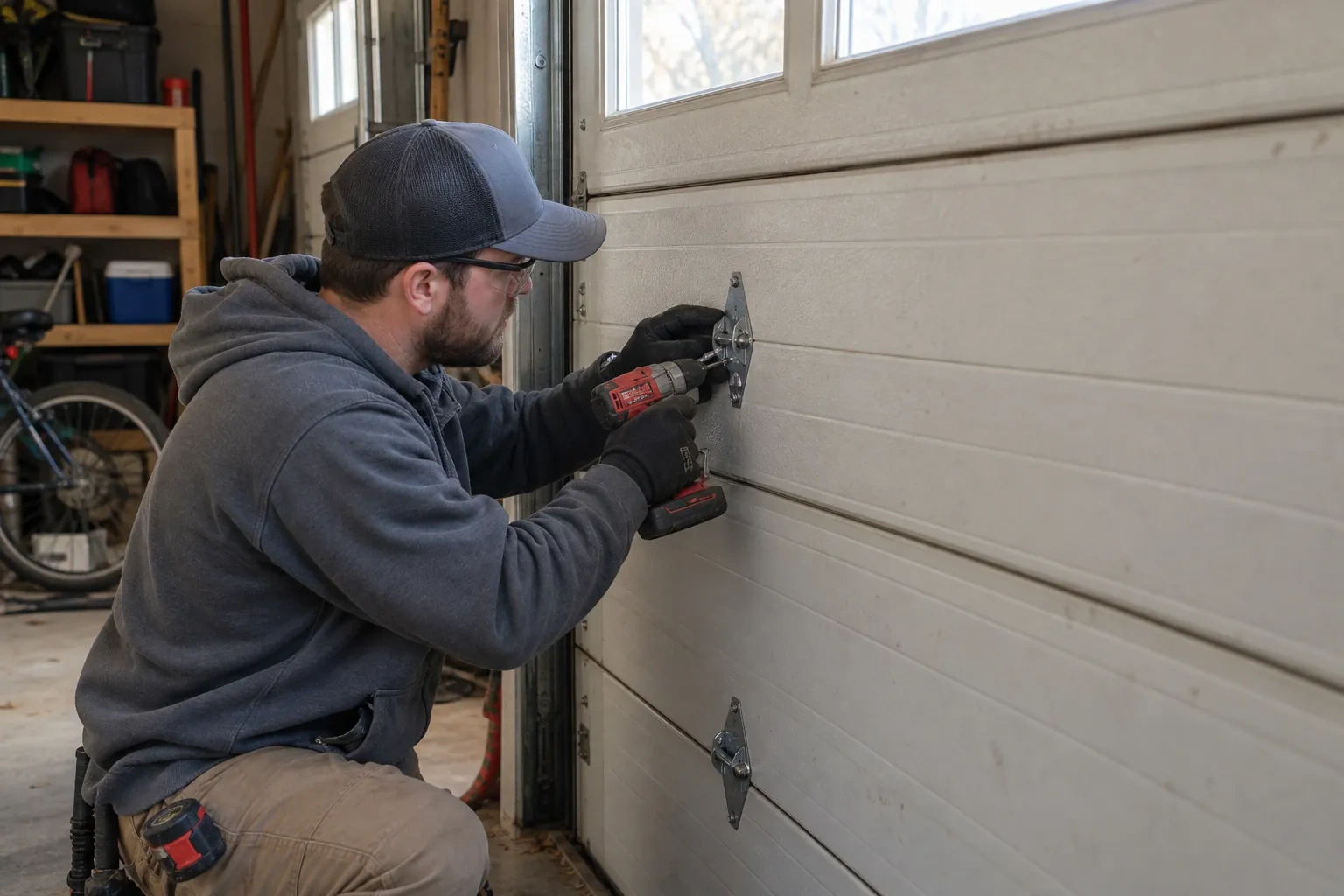
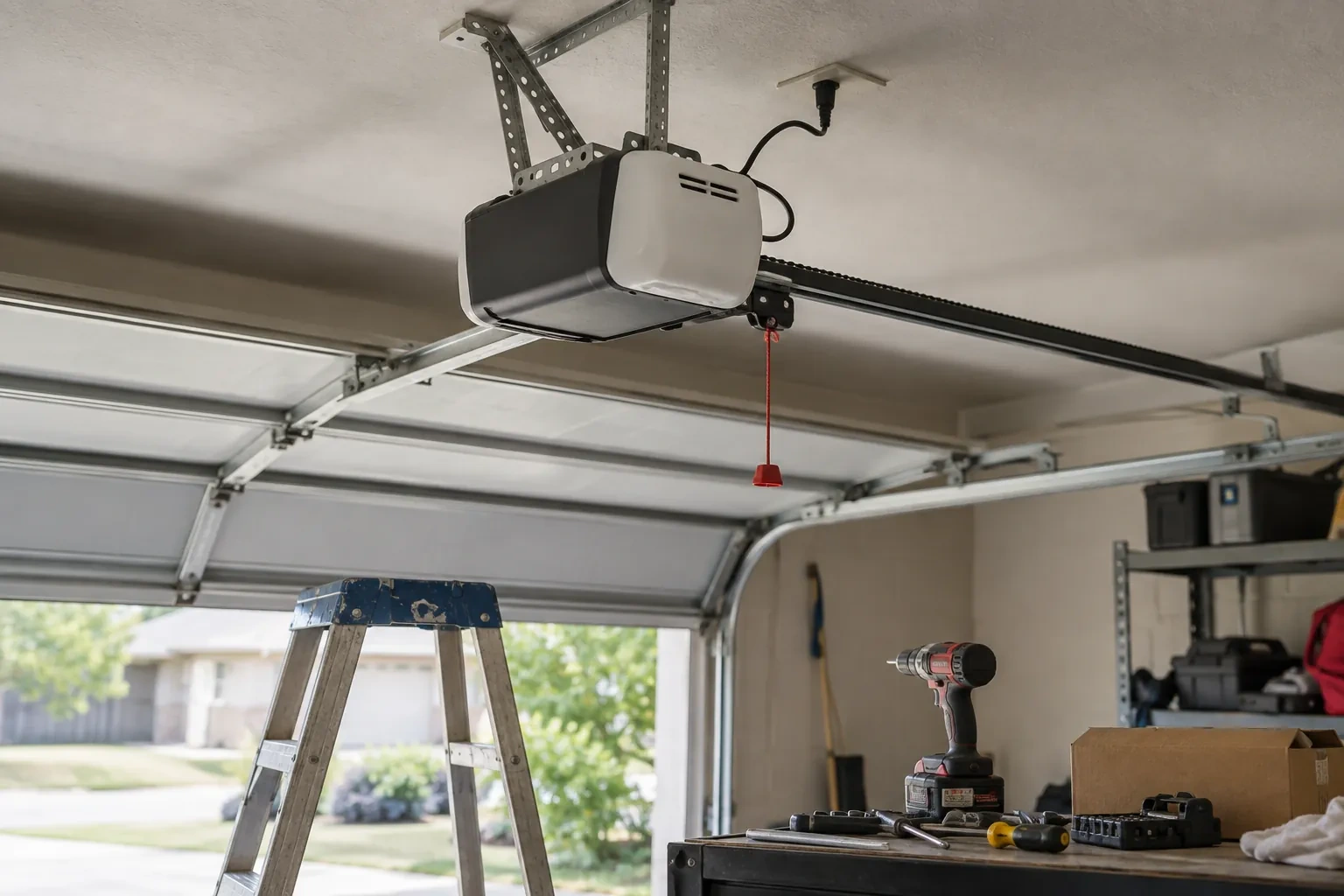
Before anything is measured or removed, the door and the opener are put into a controlled state. The opener is unplugged and the trolley released so the motor cannot move the door partway through the job. The door is brought fully closed, and locking pliers or clamps are set on the track just above a roller so the door stays down while spring tension changes. The technician clears the space beneath the shaft, checks that people and pets are out of the garage, and looks at where a vehicle sits so the ladder and winding position are safe.
Renewing the bearings while the shaft is out
Removing a spring frees the shaft, which is the moment to deal with bearings. The centre bearing, which sits in the bracket between the springs and carries the shaft under constant load, is pressed out and replaced if it grinds or has play. End bearings in the plates at each side are checked the same way. New bearings are seated square, and the shaft is slid back through them and turned by hand to confirm smooth rotation before any spring is wound. Smooth bearings reduce the effort the spring and opener have to overcome, which extends the life of both.
Your spring on record
The technician leaves you with the specification of what was installed: wire size, inside diameter, length, wind direction and the cycle rating chosen, along with notes on any bearings or cables replaced. Keep that record with the door's paperwork or photograph it. It means future service starts from known numbers rather than fresh measurement, and if a door section or opener is ever changed, the installer can confirm the springs still suit the door's weight. Many technicians also mark the installation date on the spring or centre bracket so the age of the system is easy to read later.
Torsion Spring Replacement
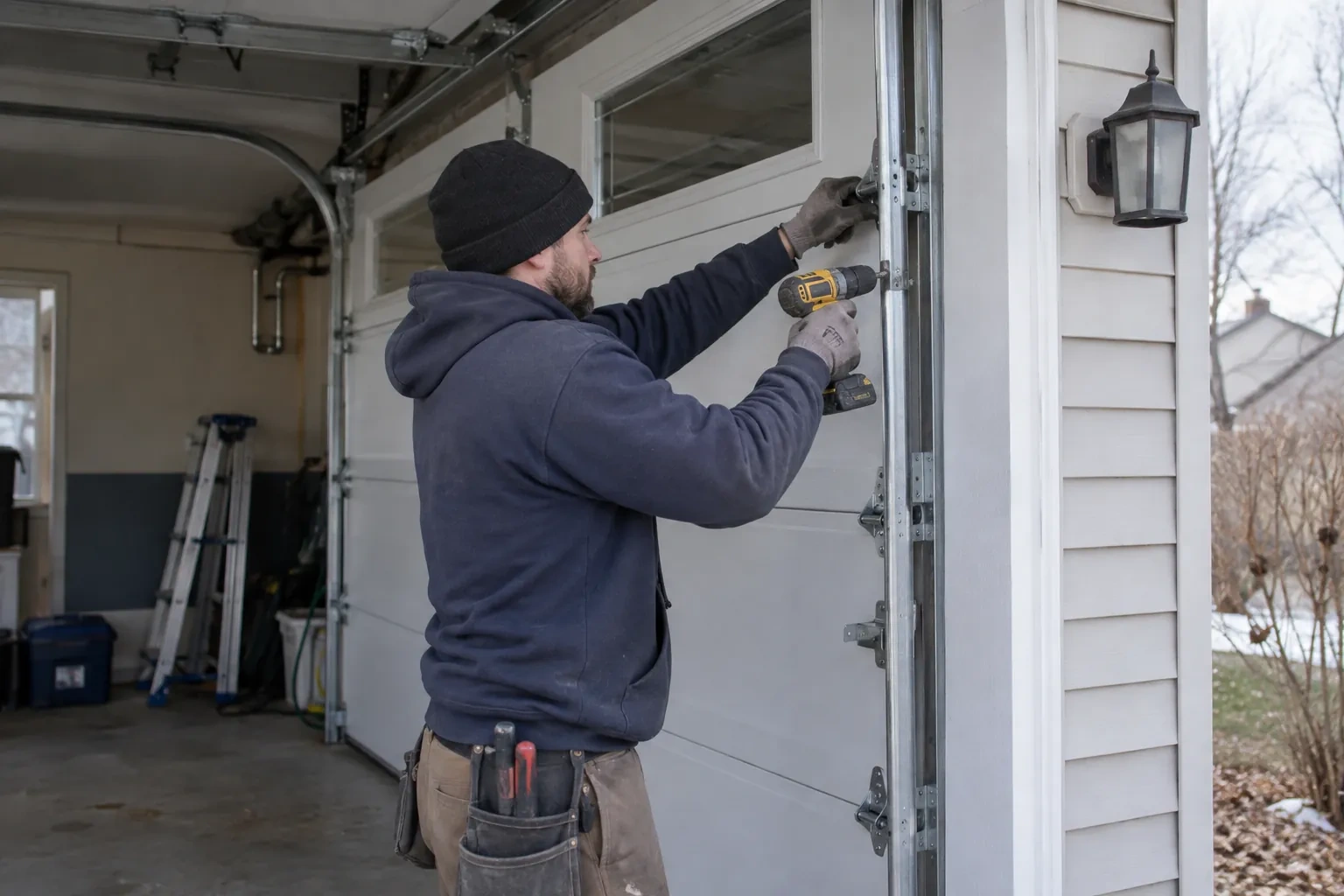
In the van
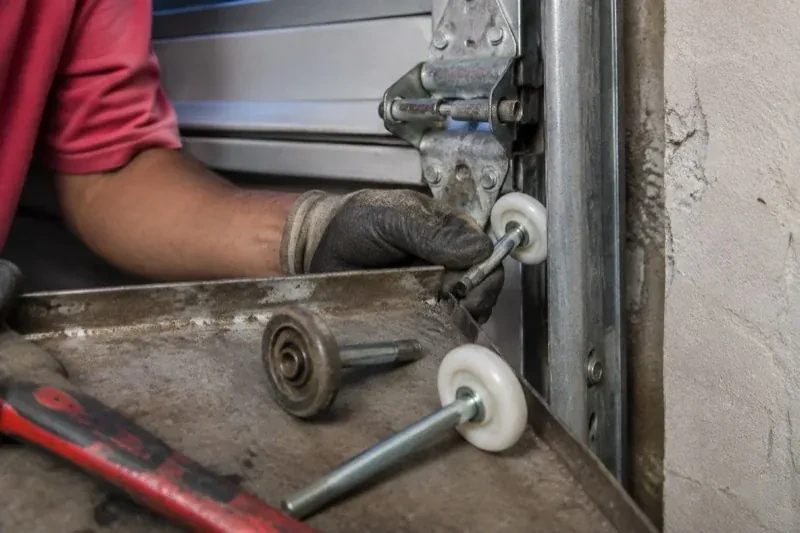
Cable drums
Socket set and wrenches
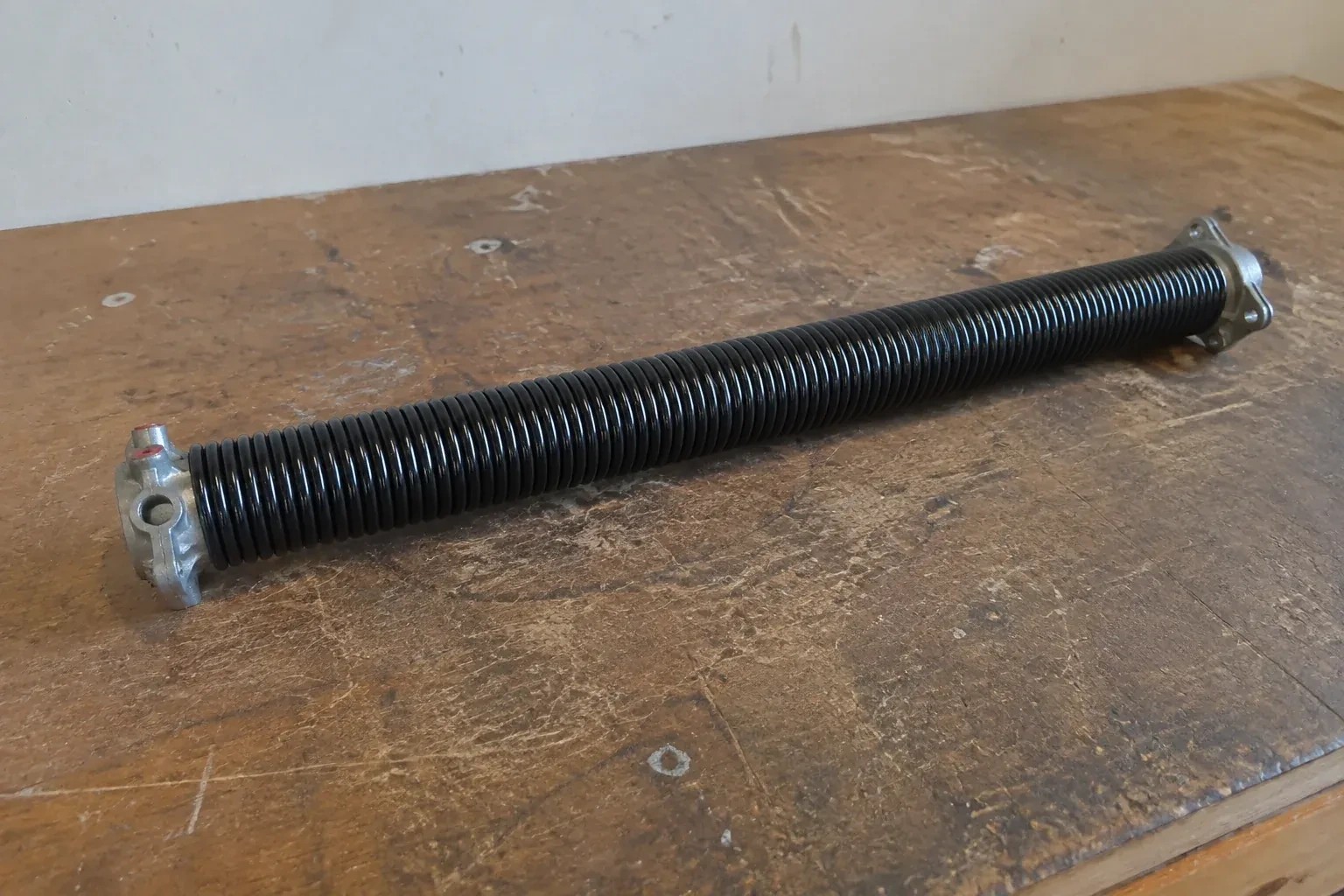
Torsion springs, oil-tempered or galvanized
Torsion shaft and coupler
Garage-door spring lubricant
Torsion Spring Replacement
What affects the quote
Spring finish
Oil-tempered and galvanized springs suit different garages. A coated or galvanized spring for a damp or salt-exposed space is a choice the customer can make when the specification is discussed.
Oversize or non-standard doors
Very wide doors, tall doors, carriage-house doors with heavy overlays and light-commercial doors may need duplex springs, multiple springs or larger drums, which changes both the hardware and the method.
Age of the door and matching hardware
Older doors sometimes carry shaft diameters, bearing plates or drum patterns that are no longer common. Sourcing compatible hardware or adapting the mounting adds to the scope for these doors.
What to have ready
- Did you hear a loud bang before the door stopped working?
- Is the door currently closed, open, or stuck partway?
- Are the cables on either side still tight, or hanging loose?
Torsion Spring Replacement: questions
QuestionsWhat is the difference between torsion and extension springs?
Torsion springs mount on a shaft above the door and twist to store energy, lifting the door through cables and drums. Extension springs run alongside the horizontal tracks and stretch as the door closes, pulling it up through pulleys. Torsion systems tend to lift more evenly, take up less space beside the tracks and are the standard on most modern doors. Both are professional service items because of the energy they hold.
What photos help when I call?
A picture of the full spring assembly above the door, showing the centre bracket, both drums and how many springs there are, tells the technician a great deal. Add a close shot of the broken spring gap and any tag or colour marking on the cones, a photo of the cables at the bottom brackets, and one of the opener. These help confirm the door's configuration so the right springs and hardware are on the truck.
Why does the door need to be balanced, and how is that tested?
Balance means the spring is holding almost exactly the door's weight, so the door neither flies up nor slams down and the opener only guides it. It is tested by releasing the opener, lifting the door to about waist height and letting go: a balanced door stays there. The technician fine-tunes in quarter turns of the spring until the door holds at several heights and travels evenly on both sides.
Related services
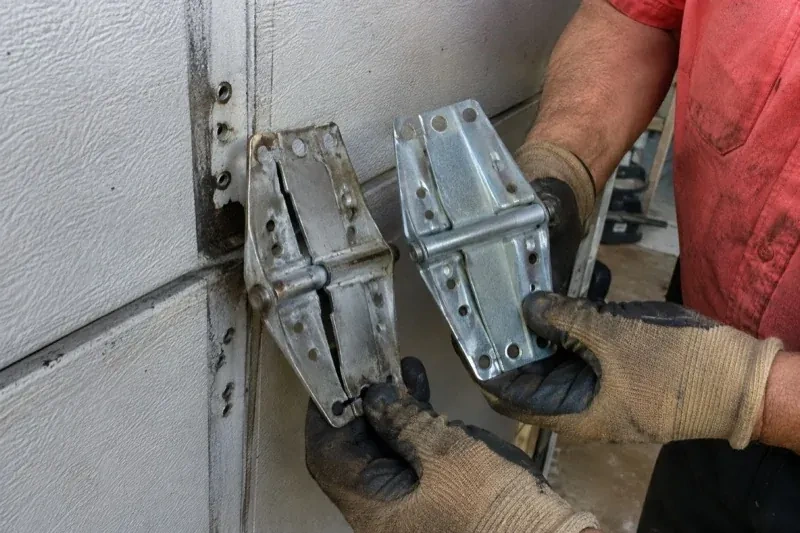
- Garage Door Hinge ReplacementPressing a hand against one of the middle hinges makes it rock on the panel.
- Garage Door Track Repair or ReplacementThe garage floor has settled at one corner, and the door now scrapes the concrete on that side while daylight shows at the other.
- Garage Door Cable ReplacementAfter years of slushy winters the cables look thinner near the bottom brackets, with rust streaks running down the door where they attach.