New Doors · Brampton
Wind-Rated Garage Door Replacement
New windows would improve the door's appearance, but they also change the section layout and reinforcement pattern.
In plain words
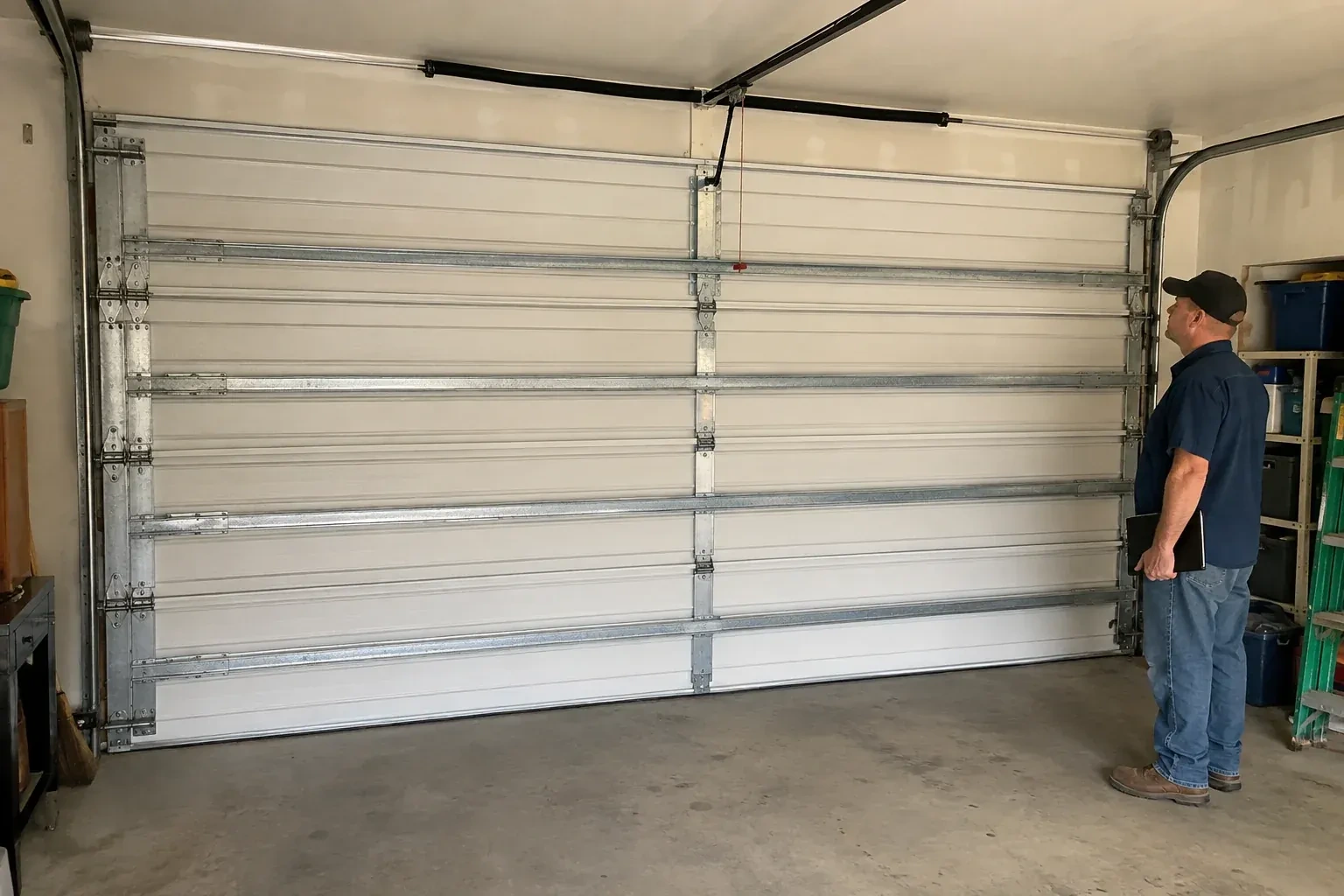
Wind-rated garage door replacement matches a complete new door system to the wind demands identified for a particular opening. Width, height, building exposure, framing, and project documentation guide the selection. Reinforced sections work together with specified struts, tracks, rollers, brackets, and anchors; the label alone is only one part of the picture. After the old assembly is removed, the new configuration is installed into sound jambs, balanced for its weight, connected to a suitable operator, and tested for controlled travel and safety reversal.
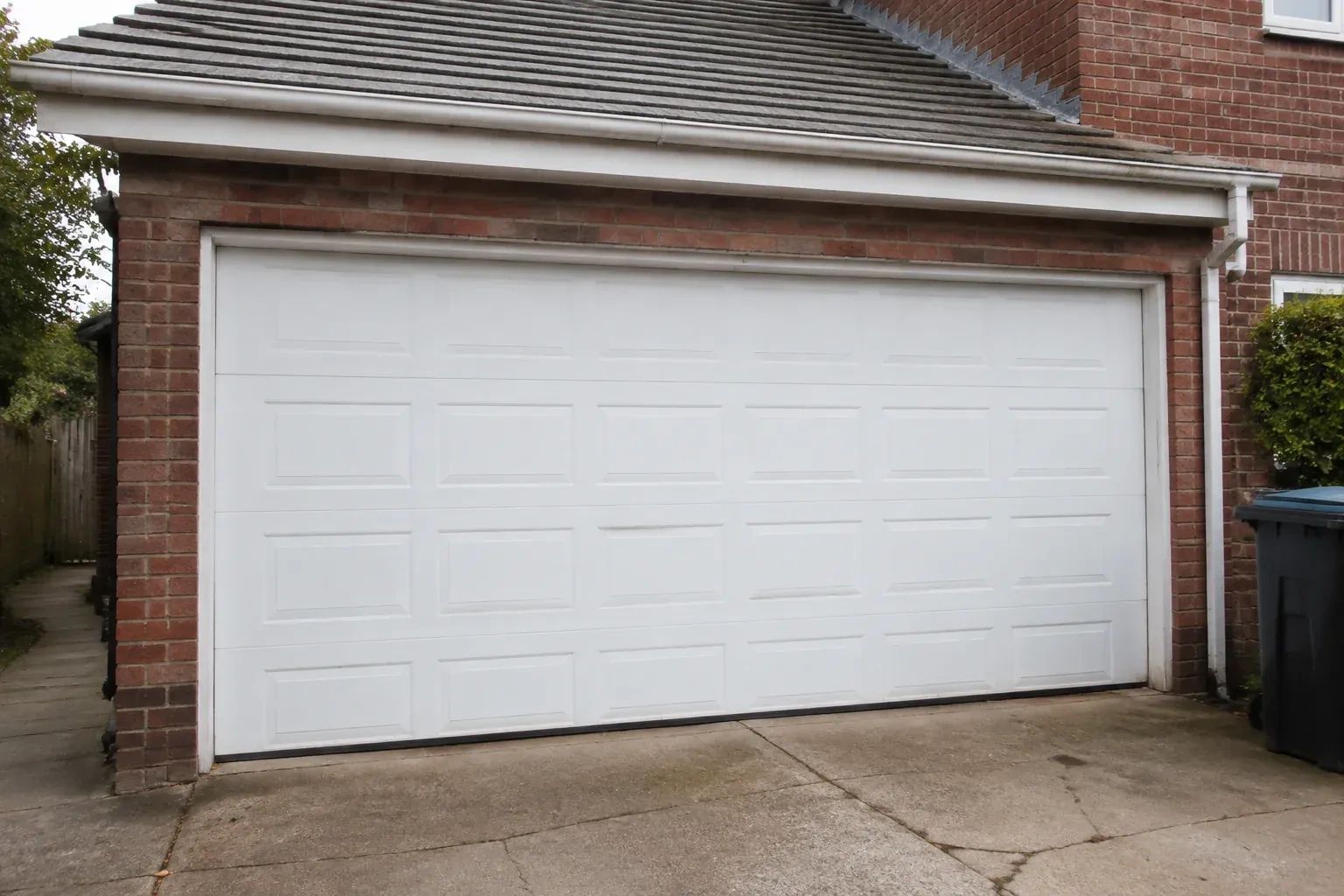
How the visit goesThe property faces open fields, leaving the garage frontage more exposed than neighbouring homes sheltered by trees and buildings. You want the large opening assessed as part of choosing a sturdier replacement assembly.
Wind-Rated Garage Door Replacement
How the visit goes
Check the operating equipment
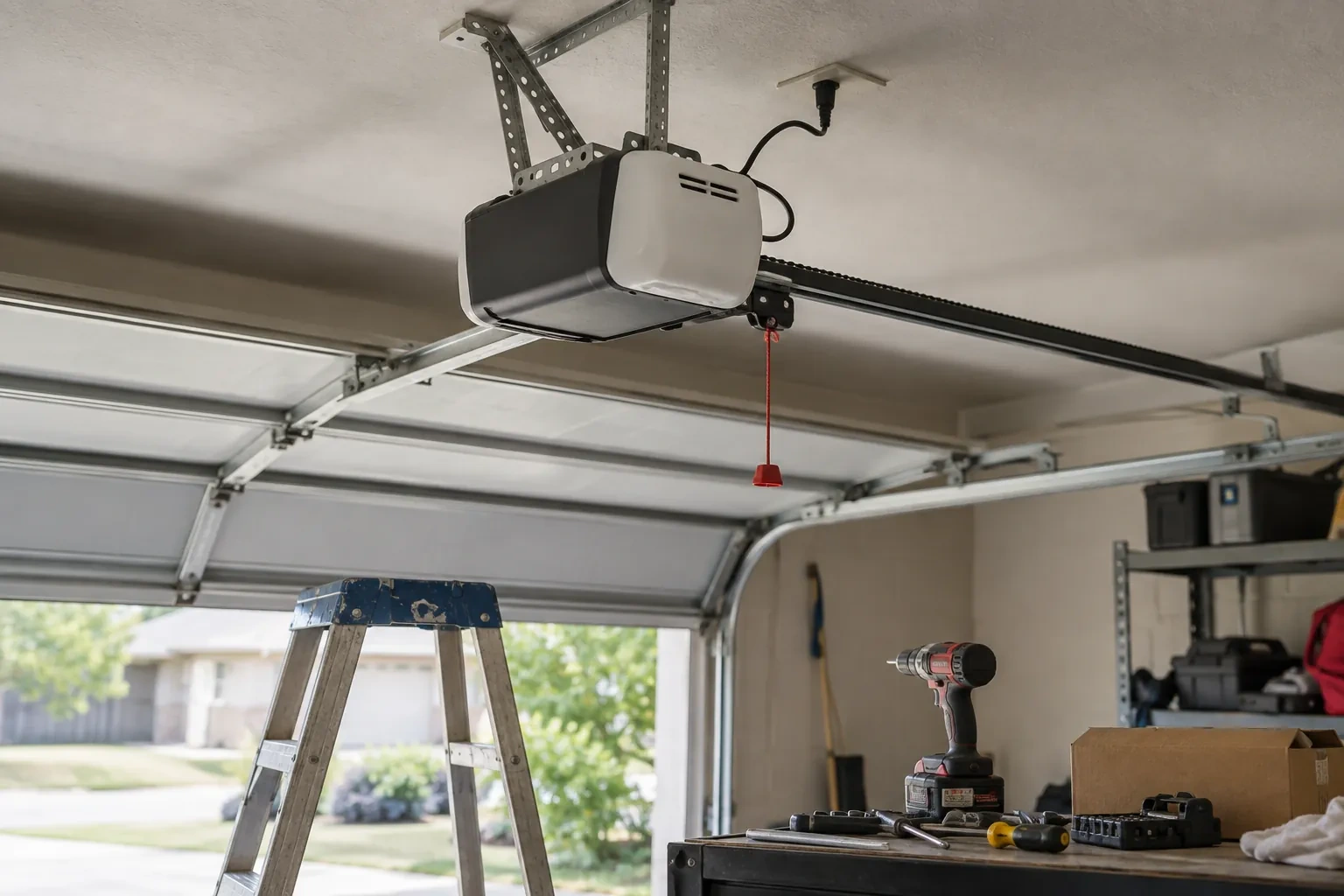
A reinforced replacement may weigh differently from the door it replaces, so the opener and its attachment receive a separate review. The technician identifies the operator type, rail length, mounting support, door-arm geometry, reinforcement bracket, travel limits, and condition of the safety sensors. Manual locks are also noted because they must coordinate with powered operation. This information shows whether the existing equipment suits the finished assembly, needs adjusted mounting, or belongs in a separately planned operator update.
Complete a documented handover
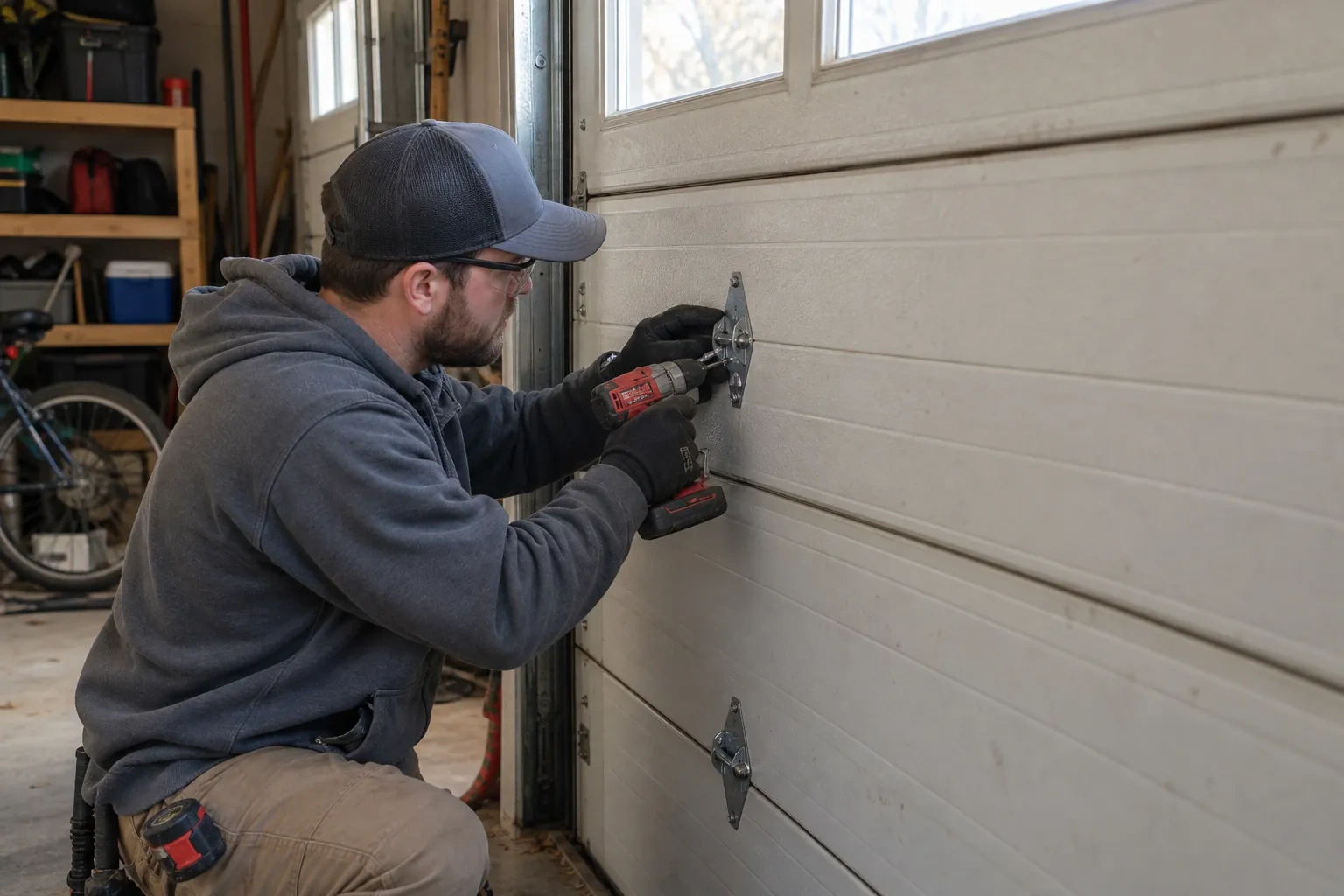
The finished system is inspected with the door closed, partly open, and fully raised. Technicians verify roller position, hinge and strut fasteners, track clearances, cable seating, spring balance, seal contact, locks, and operator behaviour. Labels and installation information are photographed or recorded, along with the door configuration and any coordinated framing work. The owner receives operating guidance and the relevant documents, creating a useful reference when future maintenance calls for matching hinges, rollers, reinforcement, or other components.
Balanced operation for daily use
Wind reinforcement adds structure, yet the door should still feel manageable when disconnected from the opener. Correct springs offset the completed weight so the assembly moves smoothly and remains controlled at intermediate positions. The opener then guides a balanced door instead of lifting dead weight. Owners can watch for early changes such as one side rising first, cables looking uneven, or the operator sounding strained. Those observations are useful service information, while spring and cable adjustments remain careful work performed with proper tools.
Wind-Rated Garage Door Replacement
In the van
Operator reinforcement bracket
Winding bars and levels
Specified structural anchors
Wind-load track system
Horizontal reinforcing struts
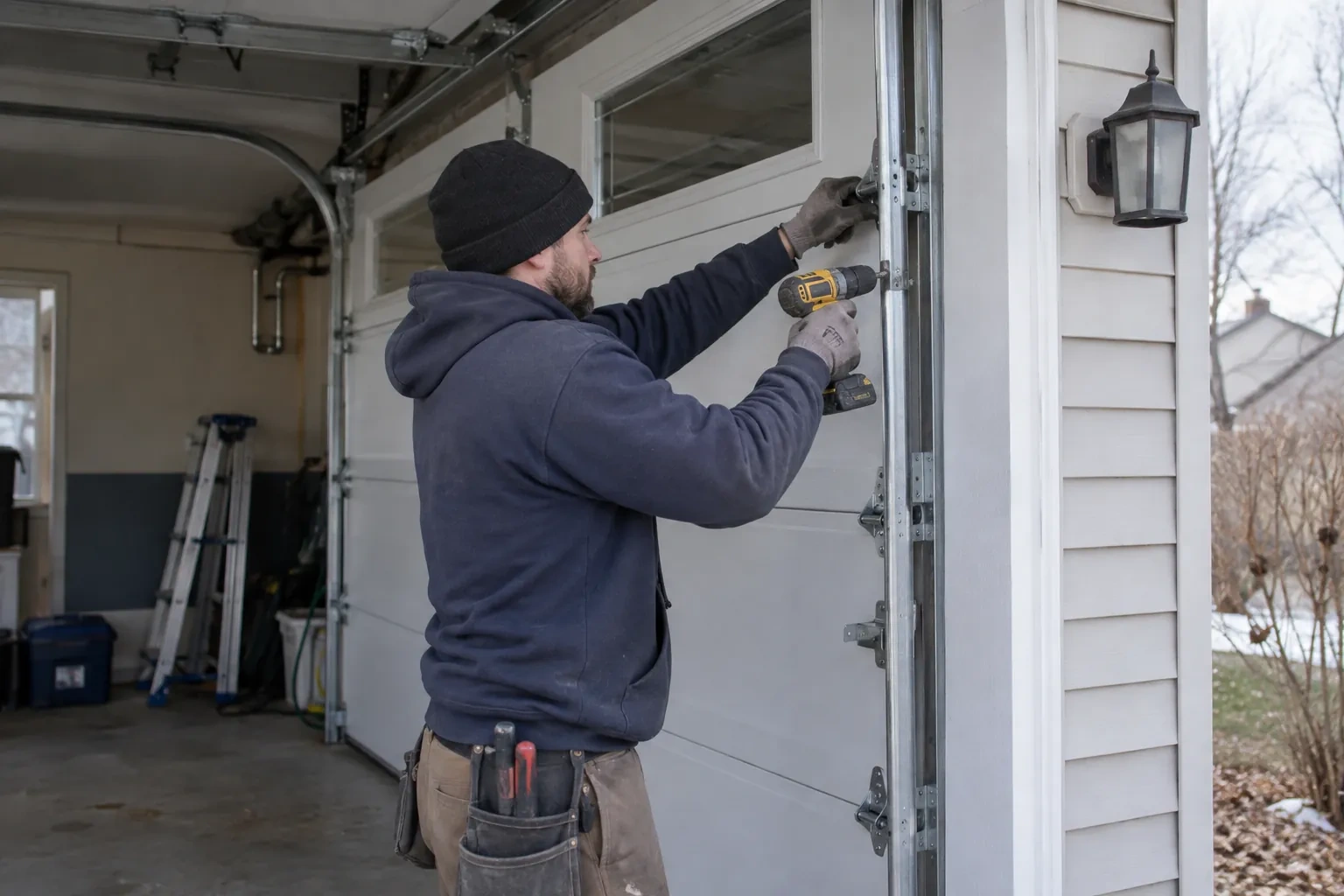
Wind-Rated Garage Door Replacement
What affects the quote
Site exposure
An open setting, building height, nearby shielding, wall position, and other design inputs can affect the wind criteria supplied for a particular garage opening.
Reinforcement arrangement
The number and type of horizontal struts, operator reinforcement, and any vertical post system follow the selected size and pressure configuration.
Jamb and framing condition
Sound mounting faces support accurate anchorage. Split lumber, weak blocking, deteriorated material, or unfinished structural changes may require coordinated preparation before door installation.
What to have ready
- Does the current door bow, rattle, or shift during strong winds?
- What are the approximate width and height of the opening?
- Do ceiling beams, ducts, shelving, or lighting limit track space?
Wind-Rated Garage Door Replacement: questions
QuestionsHow should I care for the replacement through winter?
Keep the threshold clear of packed snow and salt, wipe residue from exposed hardware, and watch that the bottom seal releases cleanly after freeze-thaw weather. Look for corrosion, loose visible fasteners, or uneven seal contact during routine observations. Springs, cables, and bottom brackets remain high-tension components, so adjustments are left to technicians with the proper tools.
How is the required wind pressure determined?
The value comes from the applicable building-code process and project information, often with input from a designer or municipal building official. Reference wind pressure, exposure, building height, opening size, wall location, importance category, and internal pressure can contribute. A street address or a general weather description alone is not a complete design basis.
Can a similar-looking hinge or roller be substituted later?
Appearance is not enough to establish equivalence. Metal thickness, strength, hole pattern, roller stem length, bearing design, and fastener placement can differ in ways that affect both movement and structural performance. Future service should use the door record and applicable component guidance to match parts, preserving the intended arrangement instead of relying on a visual comparison.
Related services
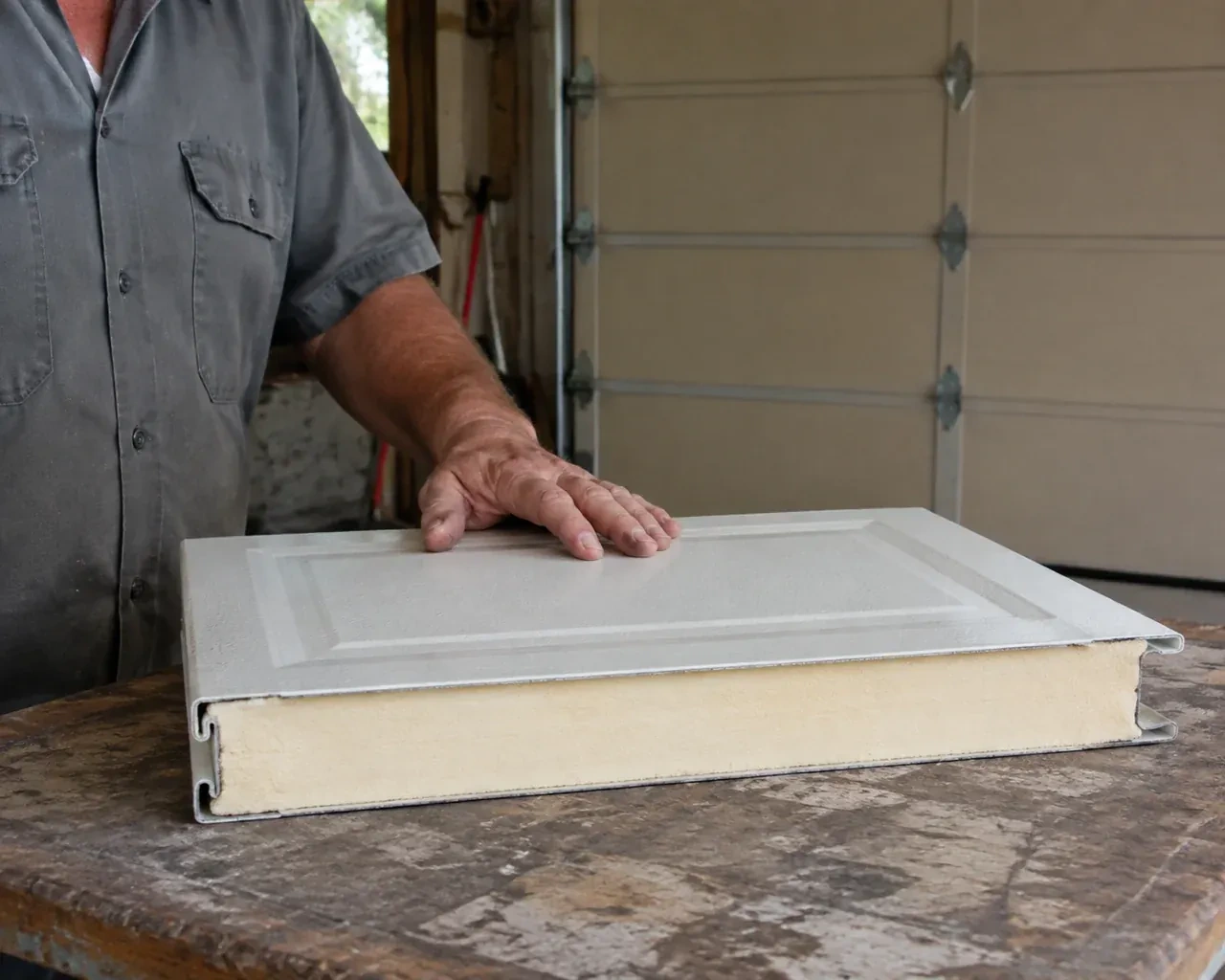
- Insulated Steel Garage Door InstallationDaylight appears beside the closed door and powdery snow collects just inside after windy weather.
- Carriage-House Garage Door InstallationCold air is noticeable around the current door, especially near the floor and section joints.
- Full-View Glass Garage Door InstallationThe current door is due for replacement, and this is the opportunity to change the whole character of the opening.