New Doors · Brampton
Commercial Sectional Door Repair
A forklift clipped the bottom panel while backing through the bay.
In plain words
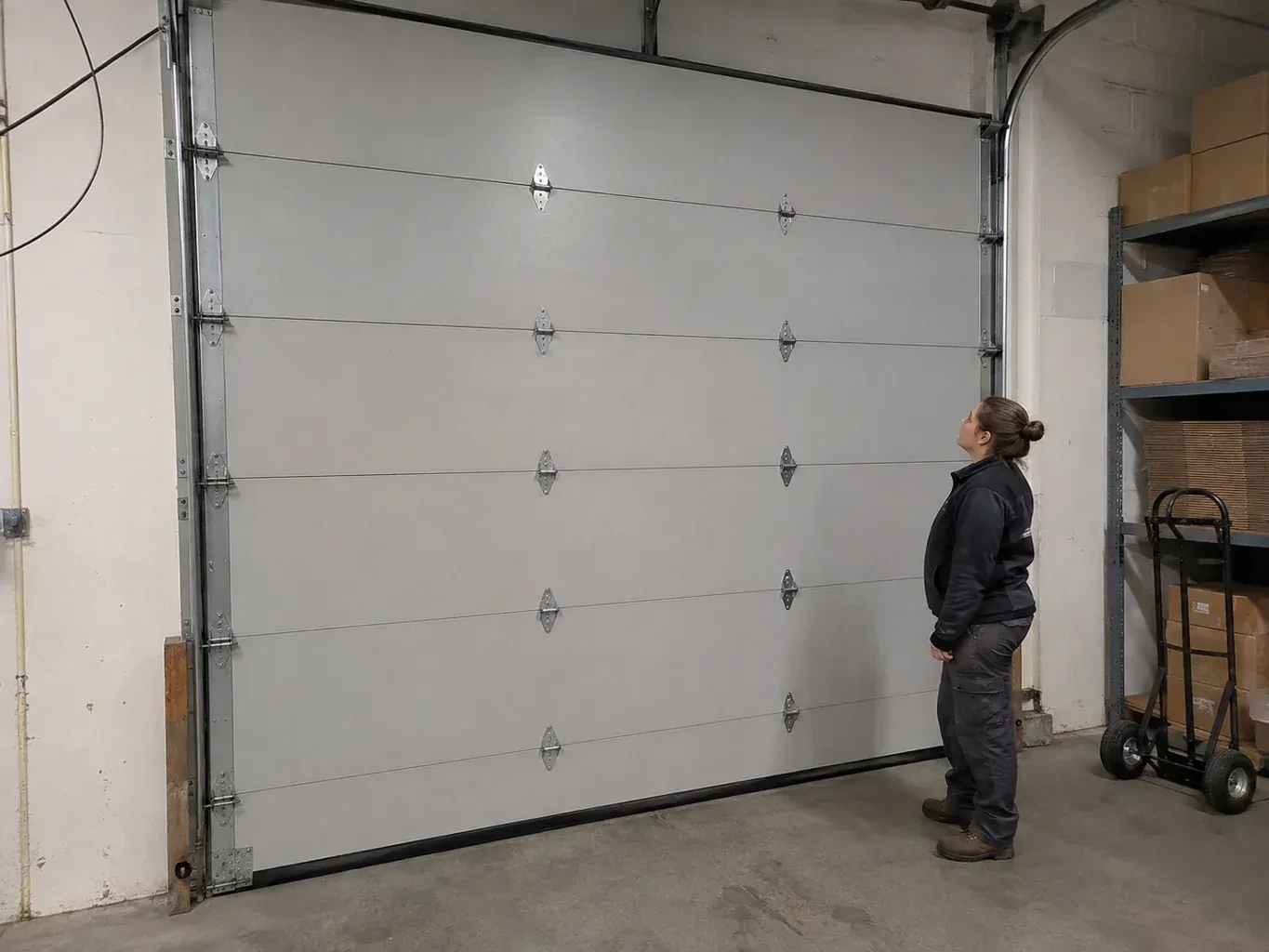
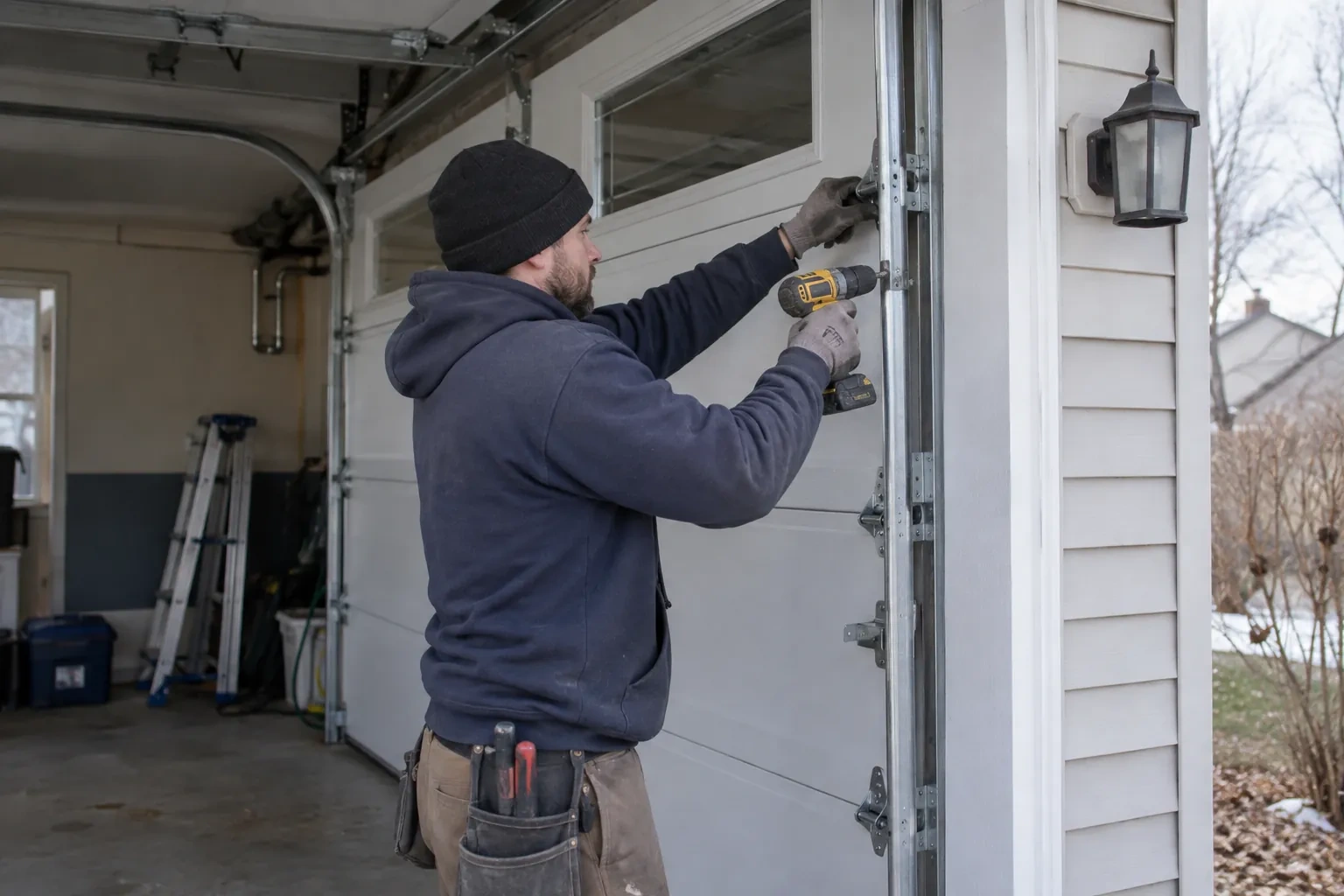
Impact repair is more than flattening a dented panel. The damaged section may have transferred force into an end stile, hinge, roller carrier, vertical track or jamb attachment. The repair therefore follows the load path from the contact point into the supporting hardware. A replacement section or reinforcement is matched to the door construction, track spacing is restored, and every affected connection is tightened or renewed. Final cycling confirms that the repaired door follows the curve cleanly and seats evenly at the opening.
How the visit goesThe loading-bay door rises with one side several centimetres lower than the other. A lift cable looks slack, the bottom section sits crooked, and staff have stopped using the opening until the door can travel level again.
Commercial Sectional Door Repair
How the visit goes
Following sound to its source
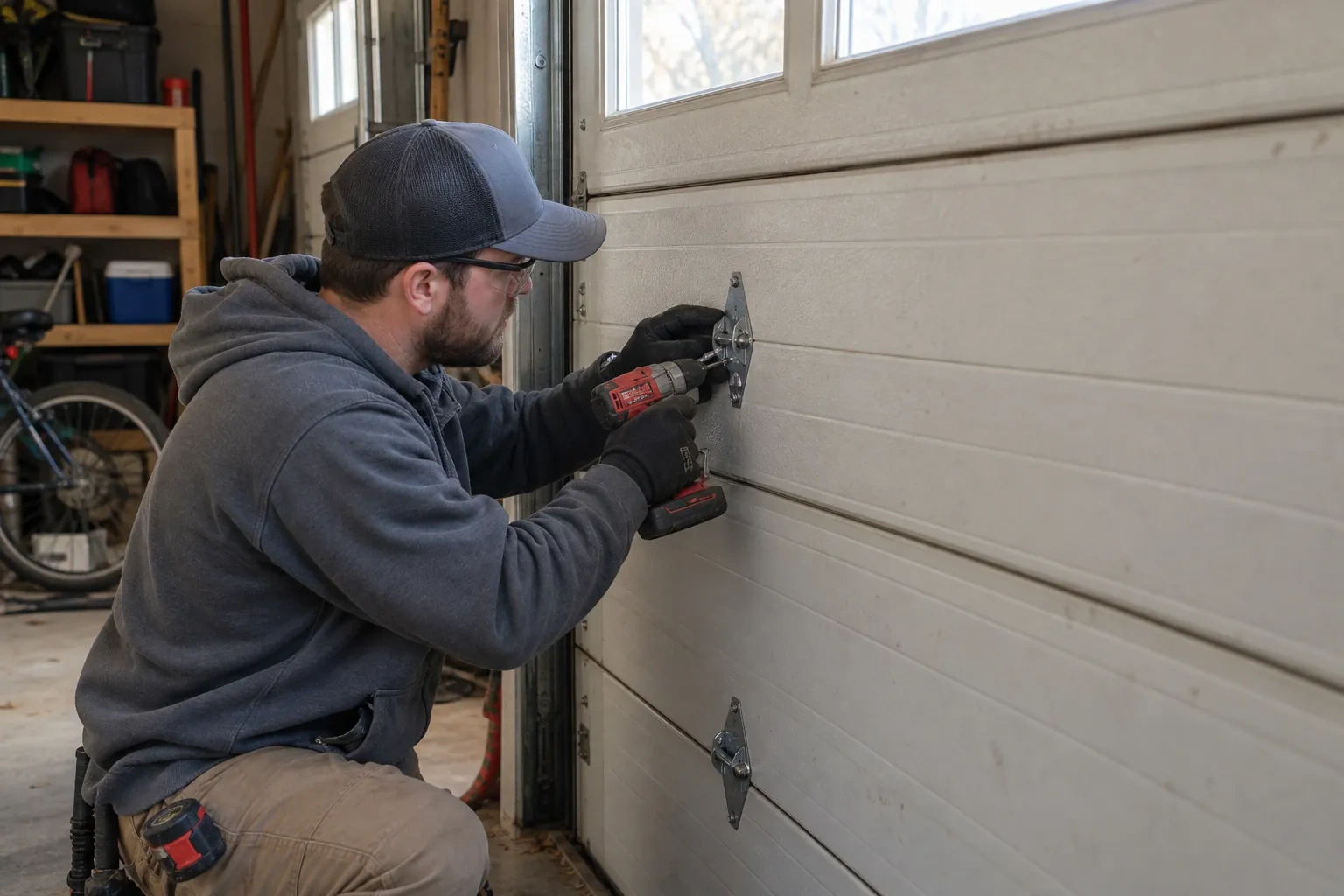
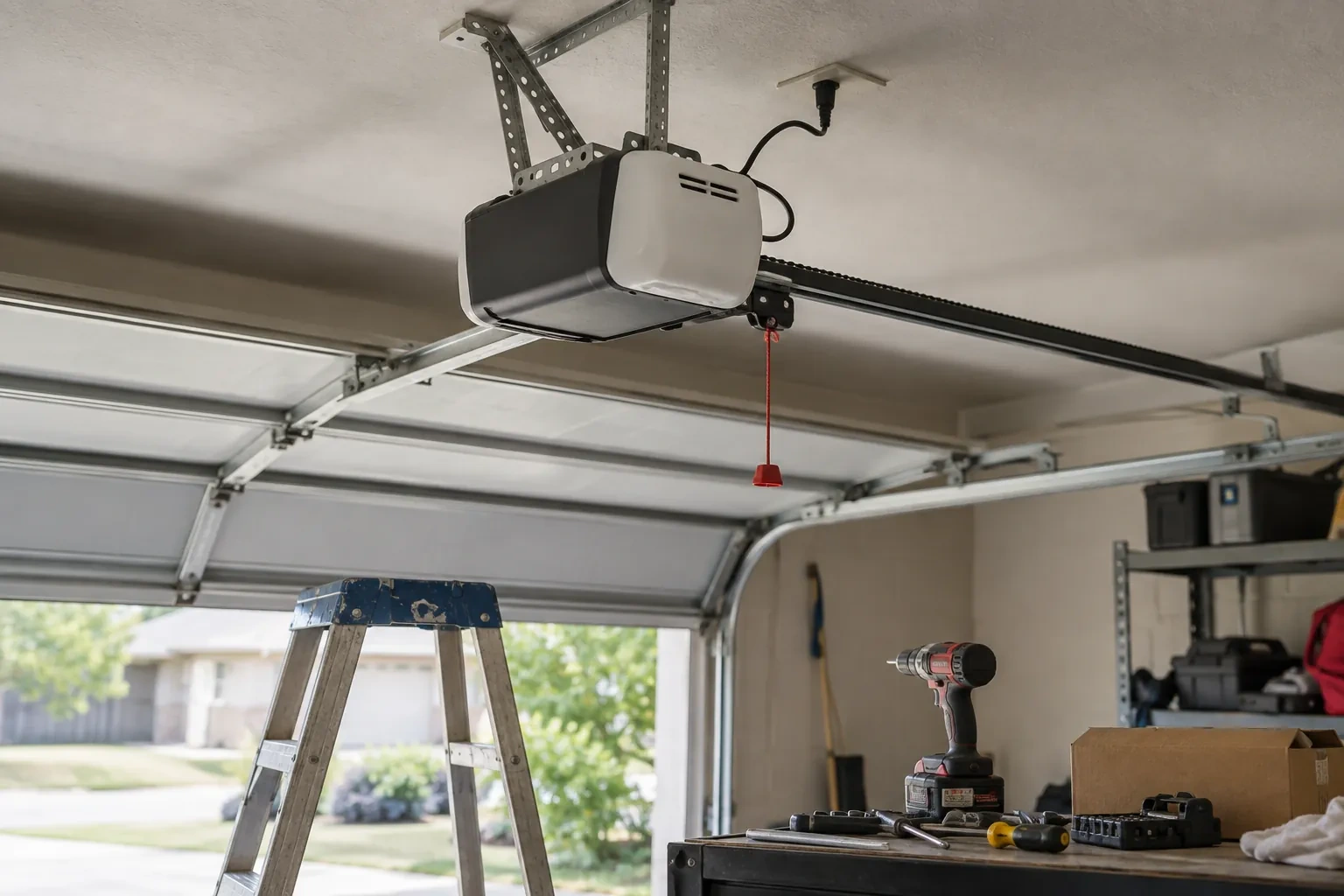
Noise is assessed by location, timing and character. A controlled cycle shows whether a knock occurs at a hinge, a roller entering the curved track, a bearing on the shaft or the operator drive. The technician watches for metal dust, polished rub marks, loose fasteners, roller play and track movement while listening. Door speed and vibration are compared through the vertical and horizontal portions of travel. This approach keeps several sounds from being treated as one problem and identifies the component producing each repeatable rattle, scrape or growl.
Completing a system-wide test
After tools and supports are cleared, the technician observes the repaired assembly through its entire range. Manual balance is evaluated where the design permits, followed by powered cycles that show cable tracking, roller travel, section alignment and final seating. The operator's stop and reverse responses are checked with its installed protective devices. Unusual vibration, contact marks and loose connections receive a final review. The service record identifies parts fitted, adjustments made, test results and any separate maintenance items the facility may wish to schedule.
A clear opening and shared operating habits
Repair restores the equipment, while everyday habits help preserve it. Marked stand-off areas give vehicles room to clear the bottom section and vertical tracks. Loads are staged beyond the door path, control stations remain visible, and staff wait for the opening to reach its operating position before passing through. The threshold is kept free of packaging, ice and debris. When everyone knows which sound, movement or sensor indication to report, small changes are documented clearly and the door can be assessed with useful evidence rather than a vague description.
Commercial Sectional Door Repair
In the van
Commercial door sections
Lift cables and drums
Bottom fixtures
Commercial rollers
Track brackets and back hangs
Commercial Sectional Door Repair
What affects the quote
Extent of impact transfer
A dent confined to one section differs from force that also bent an end stile, roller, guide rail, jamb bracket or supporting anchor.
Number of affected openings
A single bay with one defined fault differs from a facility request covering several numbered doors, separate symptoms and individual operational tests.
Section construction and finish
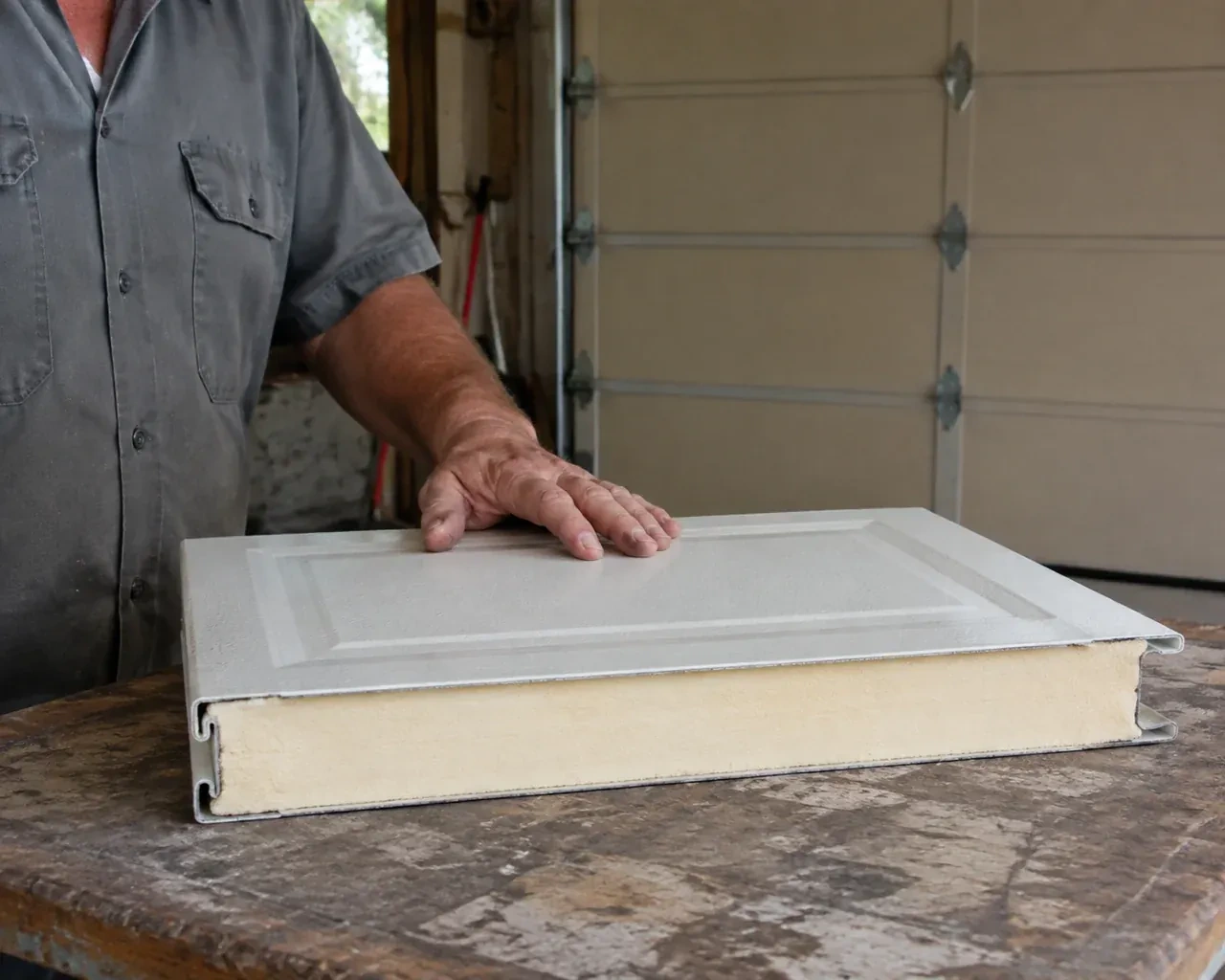
Steel, aluminum, insulated sandwich and full-vision sections have different profiles, reinforcement, glazing and hardware patterns that affect matching and replacement scope.
What to have ready
- Which controls or sensors show unusual behaviour?
- Which numbered bay or opening needs repair?
- Where during travel does the sound or hesitation occur?
Commercial Sectional Door Repair: questions
QuestionsWhat causes a commercial sectional door to become noisy?
Common sources include roller-bearing wear, loose hinges, dry pivots, a rubbing panel, track movement, shaft-bearing wear and operator-chain vibration. The point in the cycle where the sound occurs helps isolate it. A technician watches and listens during controlled travel, looks for play or contact marks, and services the component creating the repeatable noise.
Does a torn bottom seal always mean a seal-only repair?
Not always. The rubber may simply be worn, but a bent retainer, uneven floor, crooked door or impact-damaged bottom section can produce the same gap. The technician checks how the door lands before replacing material. Correcting level or retainer shape first allows the new seal to contact evenly without being stretched to compensate for another fault.
Can corrosion on lower hardware be repaired?
Surface condition and remaining material determine the scope. Light contamination may be cleaned during maintenance, while pitted cables, weakened brackets, seized rollers or compromised fasteners are replaced with compatible components. The source of moisture is considered too. Clearing drainage, renewing seals and removing accumulated salt help protect the repaired lower section and its hardware.
Related services
- Insulated Steel Garage Door InstallationDaylight appears beside the closed door and powdery snow collects just inside after windy weather.
- Wind-Rated Garage Door ReplacementNew windows would improve the door's appearance, but they also change the section layout and reinforcement pattern.
- Carriage-House Garage Door InstallationCold air is noticeable around the current door, especially near the floor and section joints.